
- Designated Morgue Facilities: Ships are outfitted with hidden, refrigerated areas on lower decks to respectfully store deceased individuals until the vessel reaches port.
- Discreet Communication: Crew members utilize cryptic codes to communicate about sensitive incidents to avoid causing panic among the general passenger body.
- Legal & Safety Frameworks: The industry operates under regulations like the Cruise Vessel Security and Safety Act to track onboard crimes and maintain security standards.
- Alcohol & Security Protocols: The situation highlights the importance of monitoring alcohol consumption and the specific restraint methods used by security teams during behavioral incidents.
Recent industry discussions prompted by a current lawsuit involving Royal Caribbean have highlighted the extensive protocols cruise lines have in place to manage medical emergencies and unexpected fatalities at sea. While the specific legal case regarding passenger Michael Virgil involves complex details about alcohol service and security measures, the broader takeaway illustrates the logistical readiness of modern vessels. Cruise ships function as self-sufficient floating cities that are well-equipped to handle a wide variety of scenarios professionally and discreetly while thousands of miles from the nearest port.
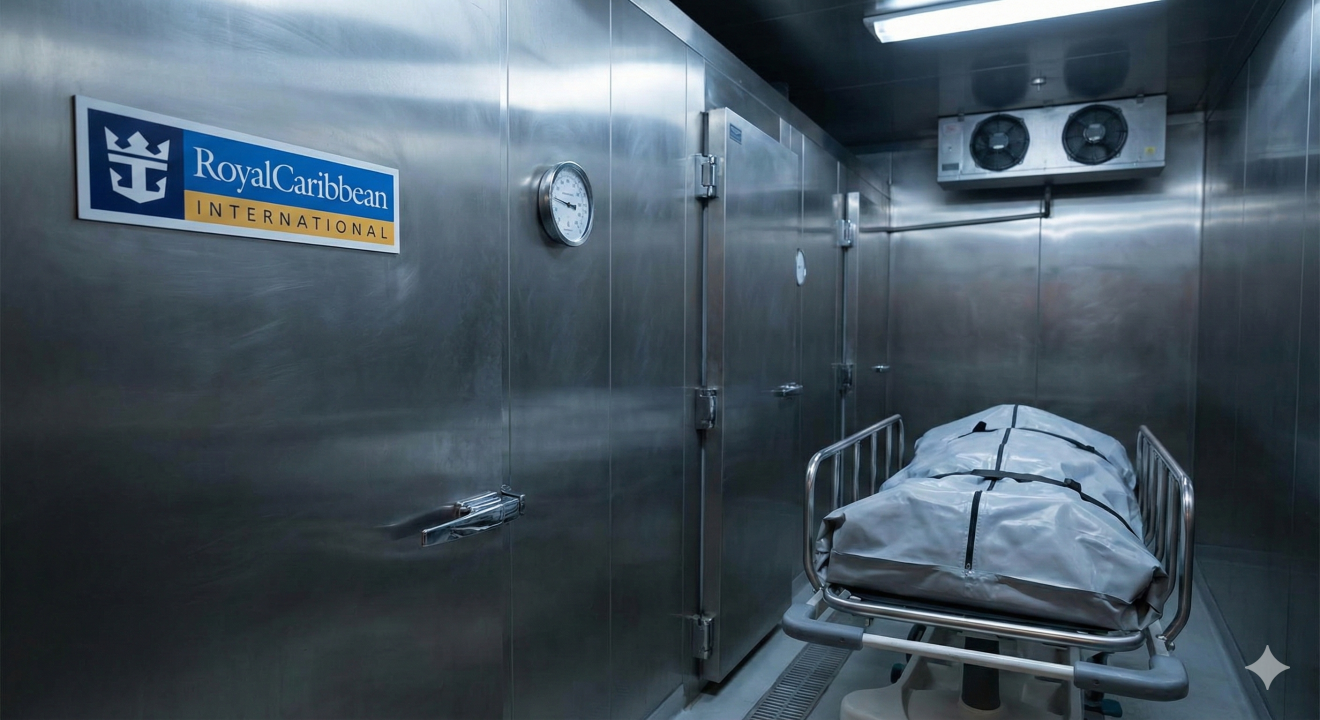
Industry experts explain that major cruise lines construct their vessels with specialized facilities designed to store deceased passengers respectfully. These designated areas, which function similarly to shore-side morgues, are typically located on lower decks away from guest activities. This logistical foresight ensures that in the rare event of a passing, the individual is treated with dignity without disrupting the vacation experience for other passengers. Furthermore, crew members are highly trained to use specific, discreet communication codes to manage these sensitive operations quietly and prevent unnecessary alarm.
The article also sheds light on the legal frameworks that support passenger well-being, such as the Cruise Vessel Security and Safety Act of 2010. This legislation ensures that incidents are tracked and that security standards are maintained across the industry. While specific liability is often a matter for legal experts to navigate, the existence of these regulations demonstrates a commitment to operational structure. Ultimately, understanding these behind-the-scenes procedures offers travelers reassurance that cruise lines possess the infrastructure and training necessary to maintain order and safety under difficult circumstances.