
- The importance of establishing a robust fuel cycle and waste management plan
- The transition from naval-based designs to commercially viable Small Modular Reactors
- The role of international collaboration and bilateral agreements in regulatory approval
- The projected timeline moving from land-based testing to commercial fleets by the 2040s
Eirik Ovrum from DNV offers a forward-looking perspective on the integration of nuclear propulsion into commercial shipping, suggesting a transformative era lies ahead for the maritime industry. As the sector seeks sustainable zero-carbon solutions, the 2040s are identified as a realistic horizon for the commercial adoption of nuclear-powered vessels. This potential shift represents a significant evolution from the past, where economic constraints and technical differences prevented naval technology from effectively transferring to the merchant fleet. Today, the focus is shifting toward designing systems specifically for commercial needs, prioritizing cost-efficiency, safety, and operational practicality from the ground up.
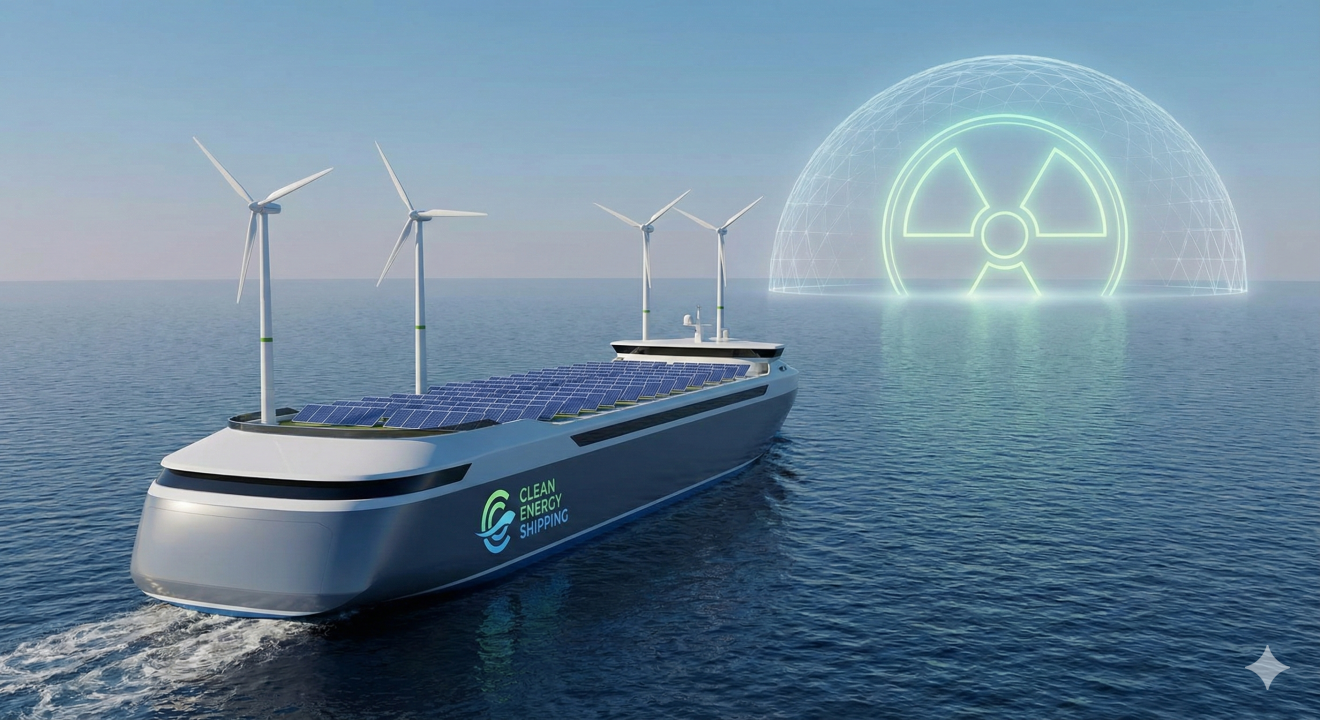
A central theme in this transition is the development of a comprehensive fuel cycle. While challenges exist regarding fuel fabrication and waste management, the industry recognizes these as critical infrastructure projects that require international cooperation. Ovrum highlights that nations do not necessarily need immediate final repositories but must establish credible plans, fostering a sense of shared responsibility. This logistical groundwork is being supported by regulatory advances, with the IMO and IAEA collaborating through the ATLAS initiative to bridge the gap between national nuclear rules and global maritime standards. Bilateral agreements, such as recent cooperation between the UK and the US, are seen as encouraging first steps toward broader multilateral acceptance.
Technologically, the industry is exploring a variety of reactor designs, including molten salt and high-temperature gas models. Rather than rushing to pick a single winner, the sector is taking a prudent approach by testing these technologies on land first. The rise of Small Modular Reactors (SMRs) offers a promising path, potentially leveraging land-based manufacturing scales to reduce costs. Furthermore, modern advancements in automation could resolve historical staffing issues by reducing crew size requirements while enhancing safety through passive systems that simplify operations.
Public trust remains a vital component of this journey. DNV emphasizes that transparency and unwavering safety standards are the keys to gaining stakeholder support. By learning from history and focusing on solid business models rather than just technical demonstrations, the industry is positioning itself for success. The timeline suggests that land-based SMRs will debut in the early 2030s, paving the way for maritime demonstrators shortly after. This steady, measured progress underscores a commitment to a cleaner, more efficient future for global shipping, where nuclear propulsion serves as a viable and sustainable option for the long term.