
Important Topics To Know
- Strategic Port Electrification: The Whittier Cruise Ship Terminal Electrification Project enables Holland America and Princess ships to utilize land-based electricity, eliminating ship emissions while in port.
- Industry-Leading Technology: Approximately 74 percent of Carnival Corporation’s global fleet is now shore-power capable, with several brands already achieving 100 percent fleet-wide compatibility.
- Significant Emissions Reduction: Utilizing shore power can reduce total ship emissions by up to 100 percent depending on the energy source, contributing to a 15 percent overall reduction in company greenhouse gases.
- Long-Term Sustainability Goals: These infrastructure investments are key components of Carnival’s broader decarbonization strategy to achieve net-zero ship operations by the year 2050.
Carnival Corporation is taking an inspiring step forward in its commitment to environmental stewardship with the expansion of its shore power infrastructure in Alaska. The world’s largest cruise company is currently advancing a significant electrification project in Whittier, which is a beautiful coastal town located approximately 90 minutes from Anchorage. This innovative partnership with the State of Alaska and Chugach Electric Association allows ships from Holland America Line and Princess Cruises to connect to the local power grid while docked. By switching off their engines in port, these vessels can operate entirely on electricity, which significantly reduces emissions and noise in the surrounding community.

The Whittier project is a testament to Carnival’s long-standing leadership in maritime sustainability, a journey that began over two decades ago when the company pioneered the industry’s first shore power project in Juneau. Today, an impressive 74 percent of the global fleet is equipped with this technology, reflecting a deep-seated dedication to reaching net-zero greenhouse gas emissions by 2050. This latest investment not only protects the pristine Alaskan wilderness that guests love to explore but also supports local infrastructure through upgrades that include electric vehicle charging capabilities.
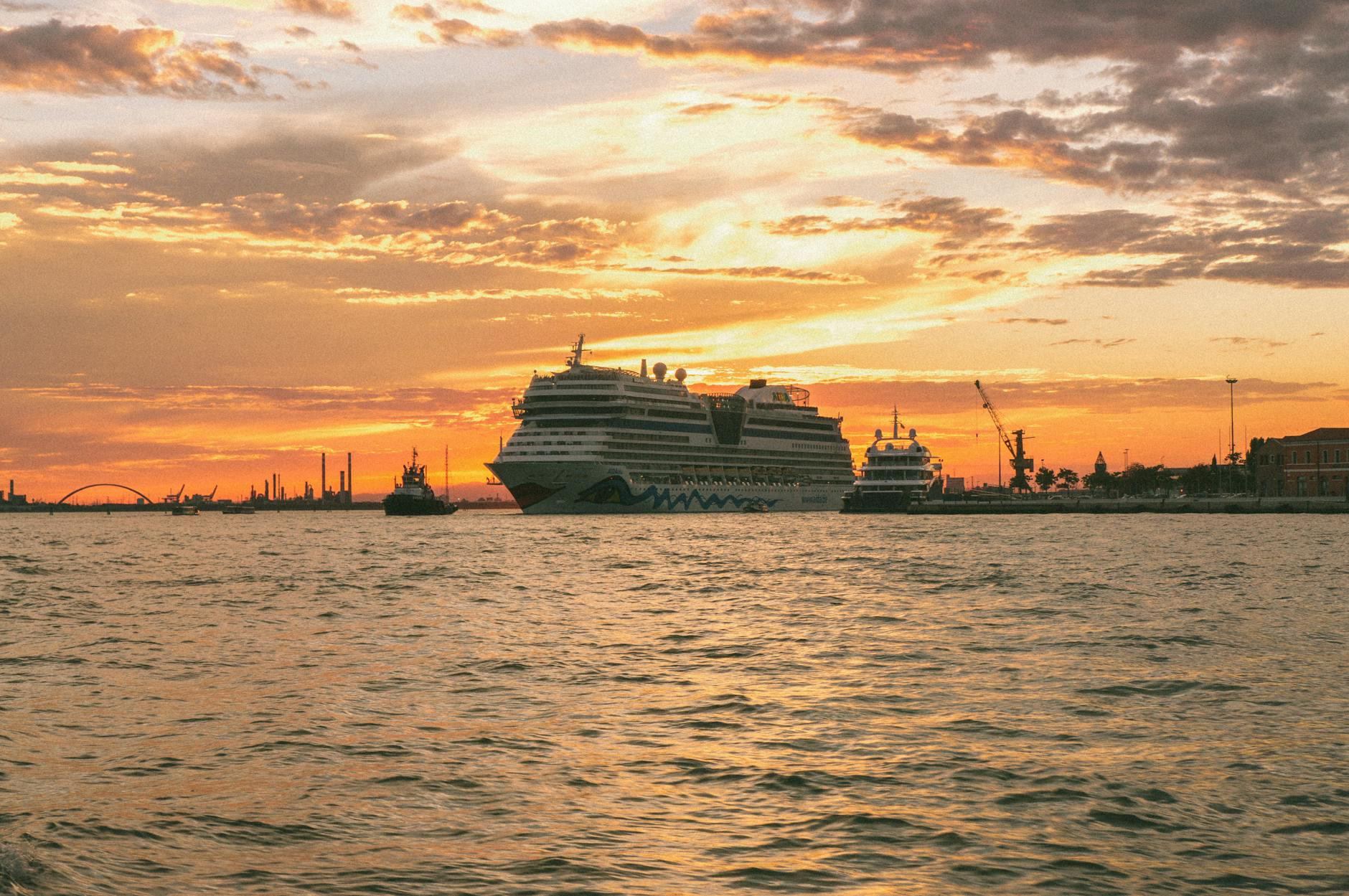
Beyond the borders of Alaska, Carnival is successfully implementing these eco-friendly solutions in major global hubs such as PortMiami, Rotterdam, and Copenhagen. These efforts have already led to a 15 percent reduction in total greenhouse gas emissions compared to the company’s historical peak, even as guest capacity has grown. By prioritizing clean energy and collaborative port partnerships, Carnival is ensuring that the future of cruising remains bright and harmonious with the natural world. This proactive approach allows travelers to enjoy the awe-inspiring scenery of the globe with the peace of mind that their journey supports a cleaner, quieter, and more sustainable planet.

About Carnival Corporation & plc
Carnival Corporation & plc is the largest global cruise company and among the largest leisure travel companies, with a portfolio of world-class cruise lines – AIDA Cruises, Carnival Cruise Line, Costa Cruises, Cunard, Holland America Line, P&O Cruises, Princess Cruises, and Seabourn.
For more information, please visit www.carnivalcorp.com, ww
To learn more about Carnival Corporation’s purpose and our positive impact worldwide on people and the planet, go to www.carnivalcorp.com/

Holland America Line and Princess Cruises, both under the Carnival Corporation umbrella, have significantly expanded their shore power capabilities across Europe to support a cleaner and quieter environment. These brands are currently utilizing advanced infrastructure at several major European hubs, ensuring that their ships can connect to local grids and reduce emissions while in port.
As of early 2026, here are the key European ports where these lines utilize shore power connections:
- Northern Europe and Scandinavia:
- Copenhagen, Denmark: A major hub for Baltic itineraries, offering state-of-the-art shore power at multiple berths.
- Aarhus, Denmark: Recently upgraded to support larger cruise vessels.
- Kristiansand and Bergen, Norway: Key stops for Norwegian Fjord cruises that prioritize green energy.
- Stockholm, Sweden: One of the earliest adopters of port electrification in the Baltic region.
- Helsinki, Finland: Supports shore power to protect its delicate marine ecosystem.
- Hamburg and Kiel, Germany: Leading German ports with extensive infrastructure for the Princess and Holland America fleets.
- Western Europe and the Mediterranean:
- Rotterdam, Netherlands: Recently reached a milestone where Holland America ships regularly plug into the Dutch national grid.
- Southampton, United Kingdom: One of the most active shore power ports in the UK, frequently used by Princess Cruises.
- Barcelona, Spain: The largest Mediterranean port, which has been aggressively expanding its electrification project for cruise piers.
- Marseille, France: Now offering high-voltage shore power connections for ships docking in the Mediterranean.
- Civitavecchia (Rome), Italy: Advancing its infrastructure to support the heavy volume of summer cruise traffic.