
- Widespread Regional Impact: The geopolitical situation has affected logistics across major tourism hubs including Jamaica, Mexico, Puerto Rico, the Bahamas, and the Dominican Republic, demonstrating the interconnected nature of regional travel
- Operational Disruptions: Airspace restrictions and heightened security have led to mass flight cancellations, delays, and rerouted cruise itineraries, complicating travel for thousands during the peak holiday season
- Economic Implications: The slowdown during the lucrative New Year period presents economic challenges for islands heavily reliant on tourism revenue, as costs rise and bookings face potential fluctuation
- Traveler Awareness: Visitors are advised to stay informed through official travel advisories and maintain flexibility, as the security situation and transport schedules remain subject to rapid change
The Caribbean tourism sector encountered significant hurdles at the start of 2026, as geopolitical tensions between the United States and Venezuela created ripple effects throughout the region. During the critical New Year holiday peak, travelers faced widespread disruptions including flight cancellations, delays, and itinerary changes. The situation stemmed from heightened U.S. security measures and airspace restrictions associated with military operations, which impacted logistics even for nations not directly involved in the conflict.
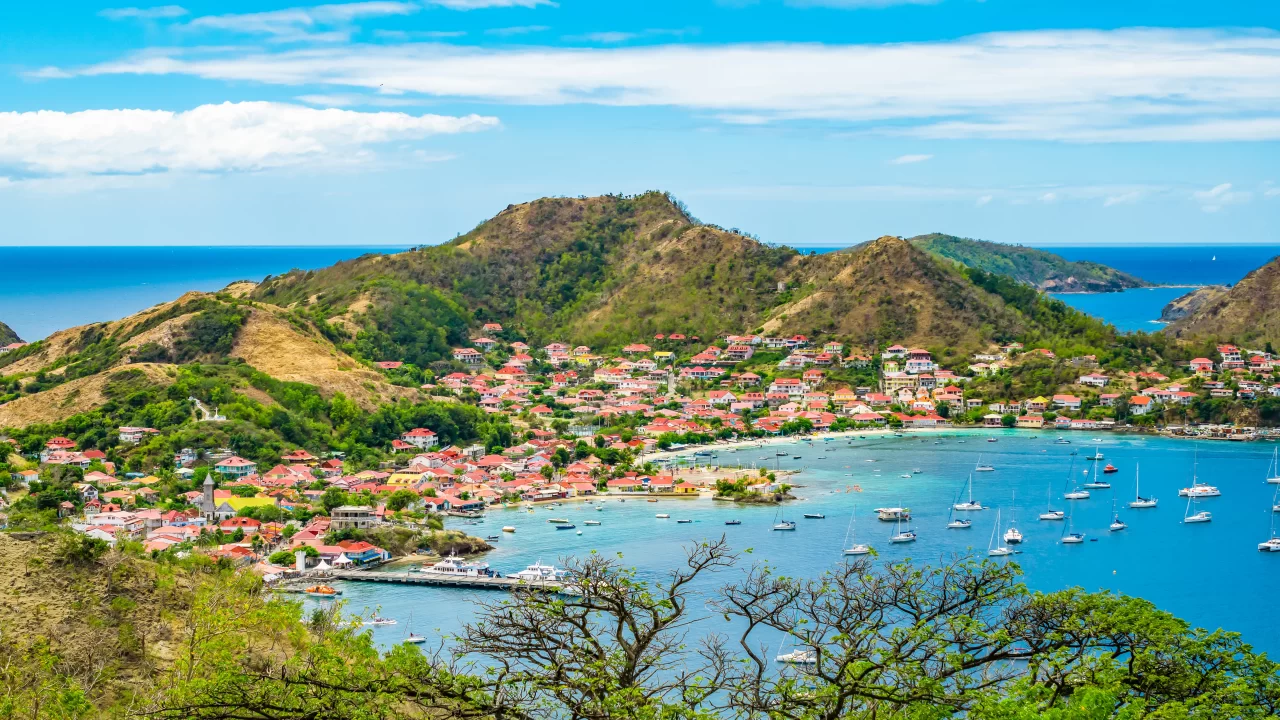
Popular destinations such as Jamaica, Mexico, and the Bahamas experienced operational strain. In Jamaica, increased military presence in the region contributed to unpredictable air travel, leading to stranded visitors in Montego Bay and Kingston. Mexico saw similar flight disruptions affecting major hubs like Cancún and Mexico City, compounded by existing U.S. travel advisories. The Bahamas and Puerto Rico, typically stable destinations, dealt with flight diversions and economic pressures as airlines and cruise lines adjusted their routes to avoid restricted zones.
The Dominican Republic, Aruba, and Barbados also felt the impact, particularly in the cruise sector where itineraries were modified to bypass potential risk areas. While the islands remain open to visitors, the uncertainty has forced travelers to remain vigilant regarding flight schedules and security updates. Despite these challenges, the region continues to welcome tourists who are willing to navigate the evolving travel landscape with careful planning and flexibility.