
- Major European cities are implementing strategic visitor limits to protect historic city centers and local infrastructure.
- Amsterdam is currently exploring sustainable long-term options for managing maritime traffic through the next decade.
- The shift toward managed tourism encourages cruise lines to develop more diverse and innovative travel itineraries.
- Global destinations like Cozumel and Bar Harbor are joining the conversation to ensure tourism remains a positive force for local communities.
The global travel landscape is currently witnessing a thoughtful evolution as popular destinations balance the joy of tourism with the preservation of local heritage. Several iconic cities, including Barcelona, Dubrovnik, and Venice, have led the way by implementing measures designed to manage visitor numbers and maintain a high quality of life for residents. These initiatives represent a positive step toward sustainable tourism, ensuring that these historic locations remain beautiful and accessible for generations to come. By prioritizing the integrity of local infrastructure, these cities are creating a more meaningful and organized experience for travelers who appreciate the unique charm of each destination.
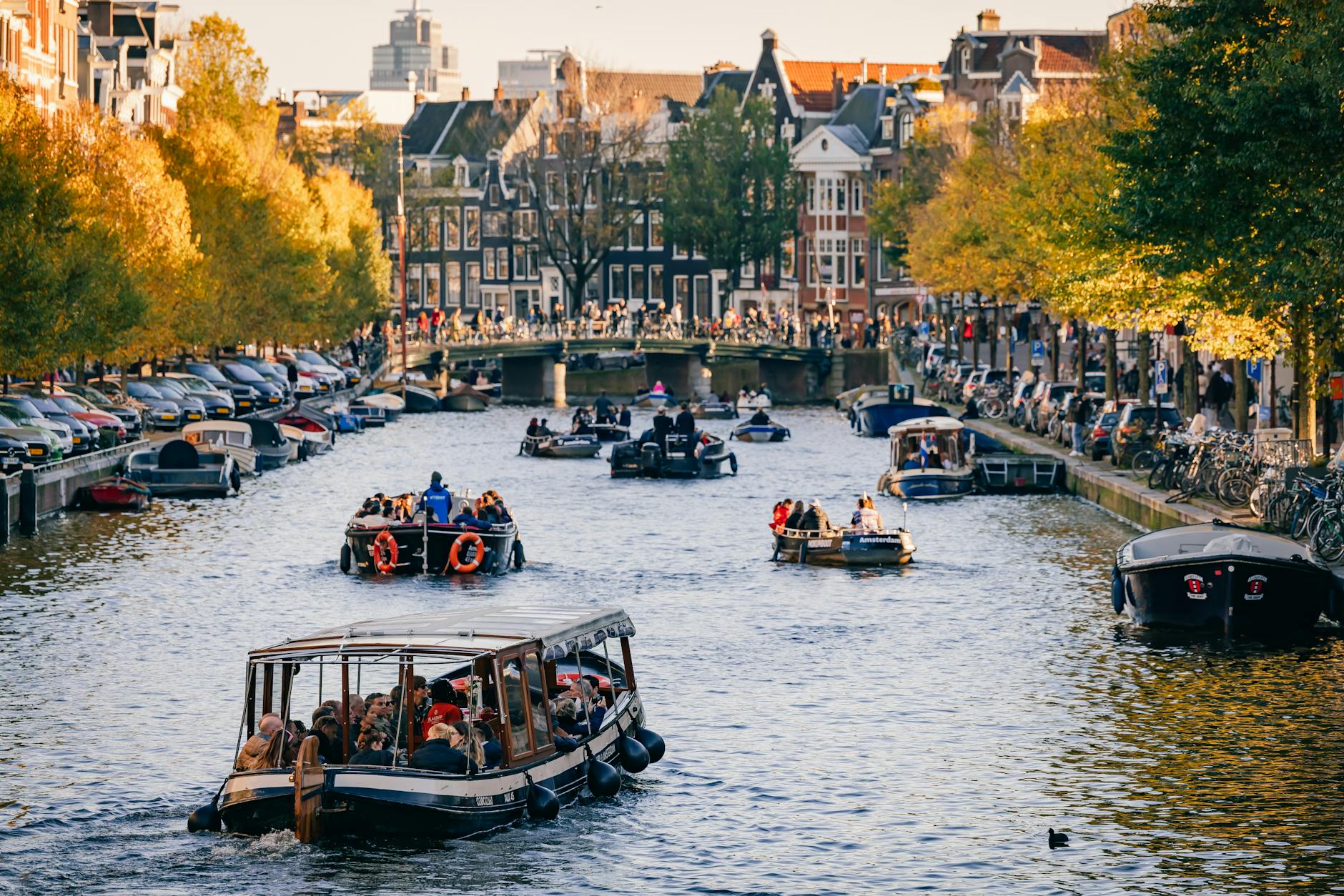
Amsterdam is the most recent city to join this movement, carefully evaluating its options to manage the influx of international visitors. The city government is currently researching long-term strategies, including the possibility of adjusting cruise ship access by 2035. This proactive approach highlights a growing global trend where ports and municipalities work to find a harmonious balance between economic vitality and environmental stewardship. Similar discussions are occurring in diverse locations such as Maine and Mexico, reflecting a widespread commitment to protecting the world’s most beloved landmarks from excessive strain.
For the cruise industry, these changes offer a wonderful opportunity to innovate and adapt. Many lines are already responding by refining their itineraries and exploring smaller ports that benefit from increased visibility. This shift encourages a more diverse range of travel experiences, often leading to less crowded and more authentic encounters with local cultures. As destinations and cruise operators continue to collaborate on these sustainability goals, the future of travel looks bright, focused on creating lasting memories through responsible and respectful exploration.