

- Brazil Reinstates Visa for U.S. Citizens: Effective April 2025, U.S. travelers to Brazil must obtain an e-visa, ending a period of visa-free access, primarily based on the principle of reciprocity.
- Stricter Entry Rules in Key Caribbean Destinations: While still visa-free, Jamaica, the Bahamas, and the Dominican Republic have tightened entry procedures for U.S. citizens, including increased documentation checks, more thorough screening (especially for solo travelers or those in non-traditional lodging), and mandatory digital pre-arrival forms.
- Ongoing Visa Requirements for Major Global Destinations: Countries like Russia, Egypt, China, India, and Cuba continue to require U.S. citizens to obtain visas, with processes that can be lengthy, rigorous, and sometimes influenced by geopolitical factors.
- Global Shift Impacting U.S. Travelers: A broader global trend shows countries re-evaluating and often tightening their entry policies for U.S. passport holders due to reciprocity demands, security, migration control, or domestic policy changes, requiring more advance planning and documentation from American tourists.

A global recalibration of entry requirements is affecting U.S. travelers in 2025, with several key destinations either reinstating or maintaining visa mandates, while others are tightening their visa-free access rules. This trend reflects a complex interplay of diplomatic reciprocity, security concerns, migration control, and domestic policy shifts in various countries, signaling an end to previously frictionless travel for Americans in many parts of the world.

Brazil officially reinstated visa requirements for U.S. citizens in April 2025, ending a six-year visa-free period. Citing the principle of reciprocity—as Brazilian citizens require visas for the U.S.—Americans now need to apply for an e-visa, including a fee and documentation, for tourism, business, or transit. This adds a layer of planning and cost, potentially impacting U.S. travel to the South American nation. Brazil joins other major destinations like Russia, Egypt, China, and India, which have long-standing or recently more rigorous visa processes for Americans.

Russia’s requirements are notably strict, while Egypt requires e-visas or visas on arrival with thorough documentation. China’s detailed visa process often includes interviews, and India utilizes an electronic visa system involving pre-clearance and biometric data collection. Cuba remains a complex case, requiring U.S. travelers to adhere to one of twelve authorized travel categories alongside obtaining a tourist card.
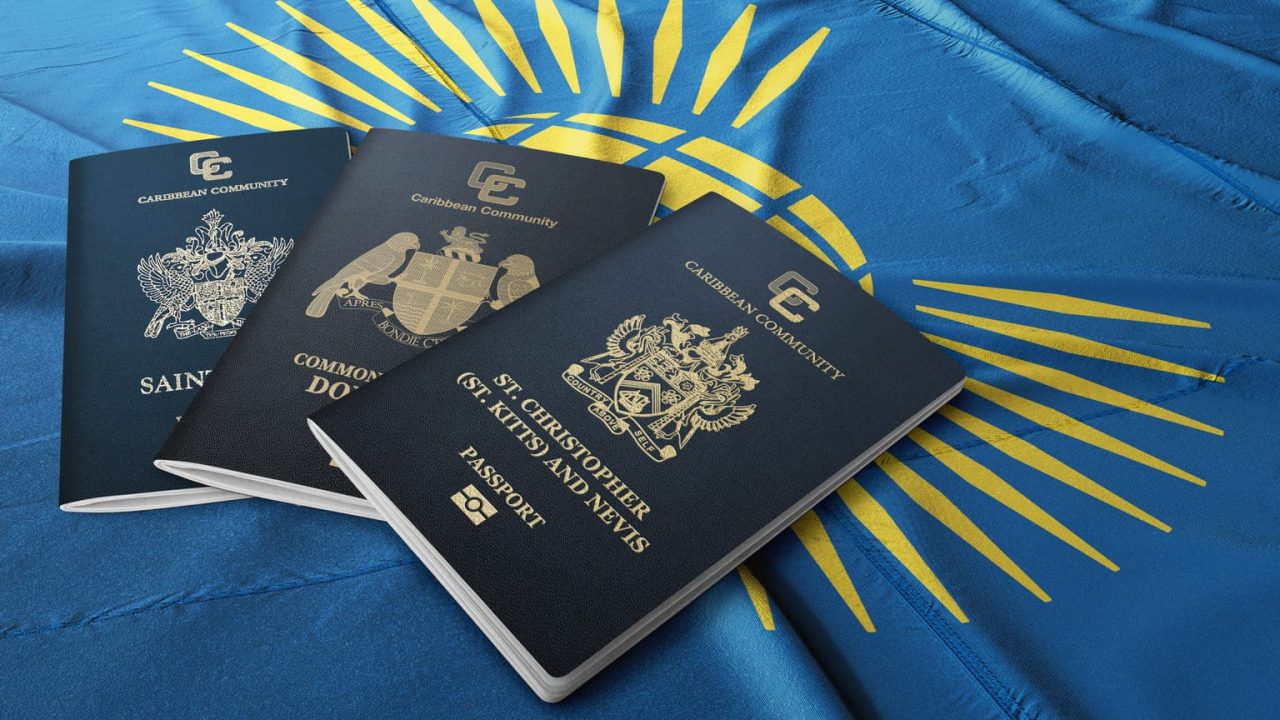
In the Caribbean, while still technically visa-free for Americans, popular destinations like Jamaica, the Bahamas, and the Dominican Republic have implemented stricter entry controls. Jamaica is reportedly increasing scrutiny for solo travelers, often requiring proof of accommodation, return flights, and financial means, partly to curb human trafficking. The Bahamas has enhanced customs and immigration screening, especially for those arriving by private boat or staying in short-term rentals, sometimes requiring pre-clearance.
The Dominican Republic rolled out a mandatory digital entry-exit form in late 2024, which must be completed pre-flight, with immigration officers now more stringently verifying stay details and financial sufficiency. These measures, though short of full visa requirements, add new layers of pre-travel preparation and scrutiny at the border for U.S. citizens. This global shift underscores a new reality where advance planning, thorough documentation, and awareness of evolving entry rules are increasingly crucial for American international travelers.