
- Significant Decline: Northern border states are experiencing major declines in Canadian cross-border traffic, with some regions seeing drops of 20 to 33 percent in 2025.
- Economic Impact: Key local sectors, including retail, hospitality, and casinos in cities like Buffalo, Detroit, and Blaine, are reporting severe revenue losses due to the lack of Canadian visitors.
- Geographic Scope: States facing the most critical drops include New York, Michigan, Washington, Vermont, Maine, and North Dakota, indicating a widespread problem along the northern border.
- Recovery Outlook: States are forced to pursue diversification strategies to attract new visitors, but the expected recovery period for the lost Canadian tourism market is anticipated to be gradual and difficult
Multiple northern U.S. states, including New York, Michigan, Washington, Vermont, and North Dakota, are currently facing alarming and significant declines in Canadian tourism and cross-border traffic. Regions that once relied heavily on Canadian shoppers and day-trippers, such as Buffalo, Detroit, and Blaine, are experiencing a severe economic downturn as border crossings have plummeted by a staggering 20 to 33 percent in some key areas during 2025.
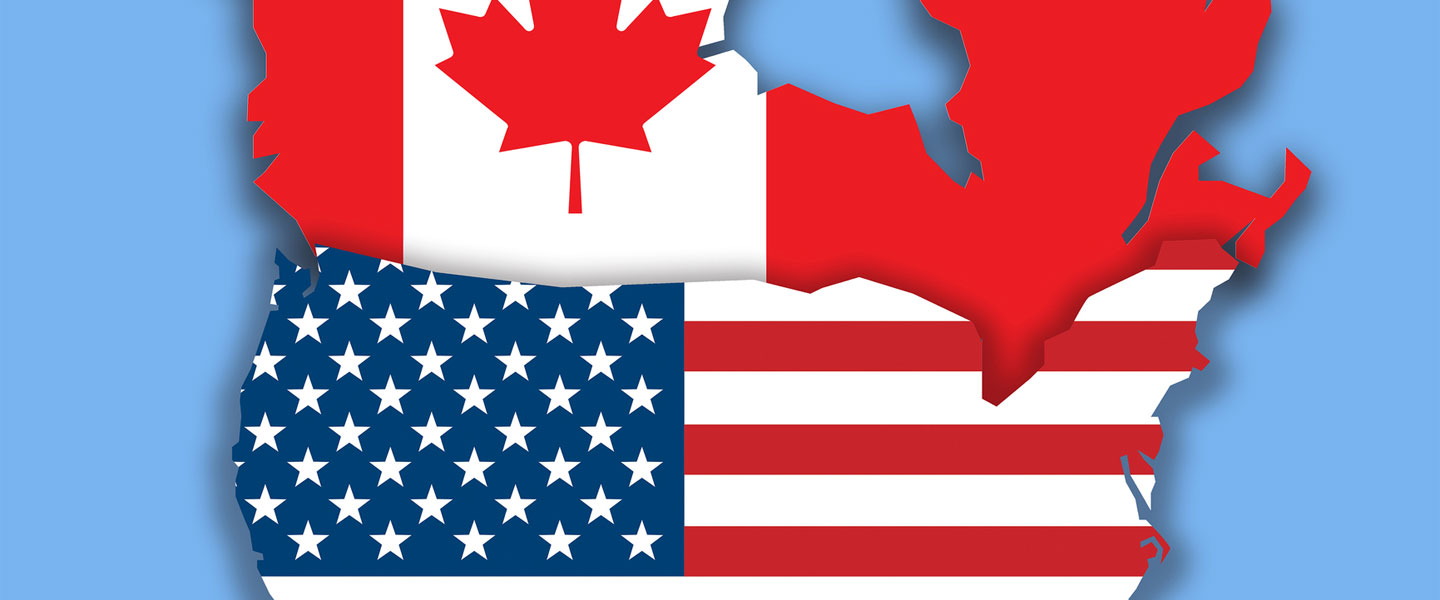
This devastating collapse in cross-border consumerism is severely straining local economies. Critical sectors like retail, hospitality, and casinos are bearing the full force of this substantial loss of revenue, which had been a dependable source of income. Retailers, restaurants, and hotels are reporting disappointing losses, directly attributable to the absence of Canadian visitors. For example, Washington state’s border entries dropped by nearly a third, marking a sharp collapse in what was once a key retail traffic source. Similarly, Michigan’s Detroit-area casinos are struggling with reduced revenue from Canadian gamblers.
The situation across the border states is uniformly grim. New York, particularly around Niagara Falls and the Thousand Islands, is grappling with a 20–25 percent drop in short-stay visitors. Maine is dealing with a failure to offset losses from Maritime Canada visitors with domestic tourism, resulting in notable drops in hotel occupancy. Vermont is also struggling, seeing a 20–22 percent decrease that affects everything from retail to local ski resorts.
Affected states are now forced into the challenging position of desperately attempting to diversify their visitor base and court new markets to mitigate the ongoing financial damage. However, experts warn that any significant recovery is expected to be frustratingly gradual. The collective experience reveals a critical vulnerability in these local economies, showing an over-reliance on a single tourism source that has now dried up, leading to a profound period of difficulty and uncertain recovery.