- Bahamas’ New Cruise Tourism Taxes/Regulations: The Bahamas is introducing comprehensive new measures beyond head taxes, including levies on luxury services on private islands and rules favoring local operators, to increase its economic benefit from the cruise industry.
- Regional Trend of Stricter Cruise Oversight: This move is part of a broader trend across the Americas and Caribbean (including the US, Mexico, Canada, Jamaica, Belize, Barbados, USVI) where governments are implementing new or higher taxes and stricter regulations on cruise tourism.
- Focus on Local Economic Benefit and Sustainability: The primary driver for these new policies is the desire of host nations to ensure a more equitable financial return from high cruise passenger volumes, protect local jobs and resources, and promote long-term tourism sustainability.
- Diverse Measures Being Implemented: Countries are using a variety of tools, including per-passenger head taxes, environmental levies, fees on specific onboard/onshore services, port improvement charges, and regulations to empower local businesses and workers.

The Bahamas is set to implement a new suite of cruise tourism taxes and regulations, joining a growing coalition of countries across the Americas and the Caribbean—including the US, Mexico, Canada, Jamaica, Belize, Barbados, and the U.S. Virgin Islands—that are seeking greater accountability and economic benefits from the burgeoning cruise industry. Despite welcoming over 9.4 million cruise passengers in 2024 (a 20% increase), Bahamian officials have noted that the financial return has not adequately matched the scale of the industry’s presence, particularly concerning operations on private islands leased by foreign cruise lines.
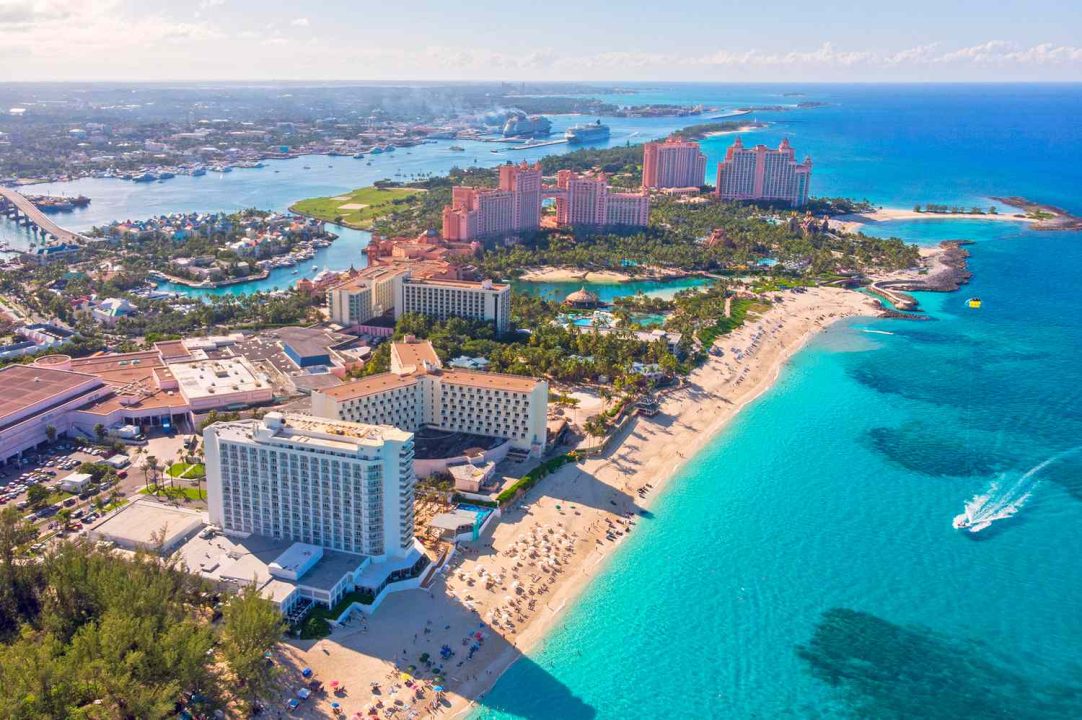
The Bahamian government’s new plan, detailed in its latest budget announcement, aims to capture more value from a sector representing over four-fifths of its total tourist arrivals. The measures extend beyond standard head taxes and include tighter enforcement on imported goods, new levies on luxury guest services (such as $4,000-per-day cabana rentals on private islands), regulations requiring water-based activities like jet ski tours to be Bahamian-operated, and new work permit fees for foreign workers stationed on cruise-operated islands. This policy shift is designed to ensure that more revenue benefits local jobs, public funds, and supports long-term tourism sustainability, especially as new private island resorts are set to open.
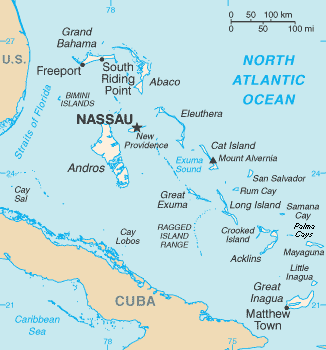
This move by the Bahamas mirrors a broader regional trend.
- In the United States, states like Alaska collect combined passenger fees (around $34.50) for wastewater management and dock expansion, while Florida ports levy $10-$20 per passenger for terminal upkeep.
- Mexico’s Quintana Roo charges an $11 “Visitax” on foreign tourists, alongside reef conservation and port fees.
- Canada’s Vancouver port applies a CAD $21 harbor improvement fee and is implementing emissions-linked charges.
- Jamaica is enhancing accountability on its existing $19 passenger fee by scrutinizing tour operator contracts.
- Belize charges an $11 combined head and environmental tax.
- Barbados uses its $6 head tax and $12 disembarkation fee for port development and local vendor training.
- The U.S. Virgin Islands collect $13 in combined fees for terminal maintenance and prioritize local service providers.
This collective “recalibration” across the region signifies a fundamental shift in how host destinations view cruise tourism. Governments are no longer content with minimal returns from massive passenger influxes. They are now actively implementing policies to ensure a fairer distribution of economic benefits, protect local resources and culture, and promote a more sustainable and equitable partnership with the cruise industry.