

- Bahamas’ New Cruise Tourism Policy: The Bahamas is introducing a comprehensive set of new taxes and regulations for the cruise industry, targeting areas beyond just head taxes, including levies on private island luxury services and rules promoting local Bahamian operators.
- Regional Trend of Increased Cruise Oversight: This Bahamian initiative is part of a wider movement across the Americas and Caribbean (including the US, Mexico, Canada, and other island nations) where governments are implementing stricter measures to gain more economic benefit and control over cruise tourism.
- Focus on Fairer Economic Returns and Sustainability: The primary motivation for these new policies is to ensure host destinations receive a more equitable share of the revenue generated by high cruise passenger volumes and to promote long-term environmental and economic sustainability.
- Diverse Measures Beyond Head Taxes: The new regulations being implemented are multifaceted, including environmental levies, fees on specific services, port improvement charges, and rules designed to empower local businesses and workers in the tourism sector.

The Bahamas is set to implement significant new cruise tourism taxes and regulations, joining a growing movement among nations in the Americas and Caribbean, including the US, Mexico, and Canada, aimed at ensuring the sector is more accountable, equitable, and economically beneficial to host destinations. Despite a surge in cruise arrivals—over 9.4 million passengers in 2024—Bahamian officials state the financial return hasn’t matched the industry’s large footprint, particularly concerning operations on private islands leased by cruise lines.

The government’s new strategy, detailed in its latest budget, goes beyond typical per-passenger head taxes. It includes stricter enforcement on imported goods used by cruise lines, new levies on luxury guest services offered on private islands (such as high-cost cabana rentals), regulations mandating that water-based activities like jet ski tours be Bahamian-operated, and requirements for foreign workers on cruise-operated islands to have work permits, with associated fees benefiting the national treasury. This policy shift aims to redirect more of the economic value generated by cruise tourism back into the local Bahamian economy and workforce.
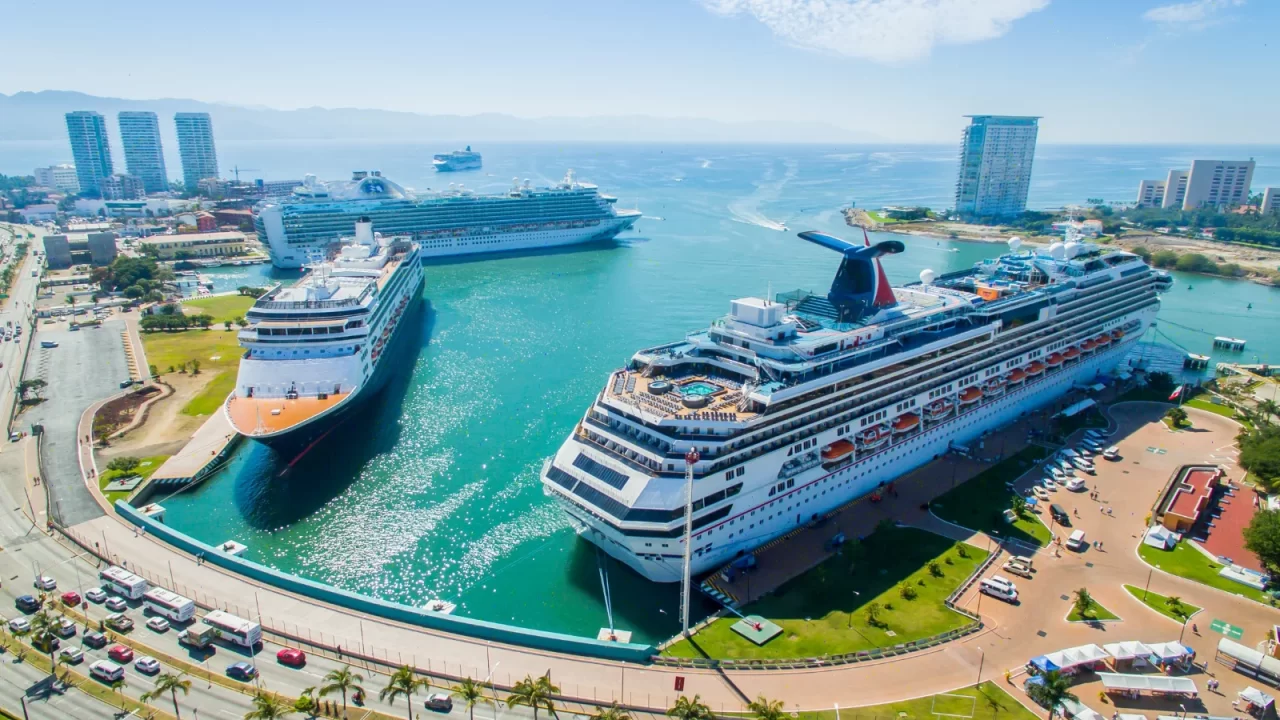
This initiative by the Bahamas is part of a broader regional “recalibration.” Other countries have already established various fees and rules: the United States sees states like Alaska and Florida ports levying passenger fees for infrastructure and environmental management. Mexico’s Quintana Roo charges tourists, including cruise passengers, a “Visitax” and other fees for reef conservation. Canada’s Vancouver port uses harbor improvement fees for upgrades and is introducing emissions-linked charges.

Caribbean nations like Jamaica, Belize, Barbados, and the U.S. Virgin Islands also have various head taxes, environmental levies, and port use charges, increasingly focusing on ensuring local businesses and communities see tangible benefits. This collective action signals a shift from governments passively welcoming cruise ships to actively managing the industry for more sustainable and equitable outcomes.
