
- Miami International Airport (MIA) was named the worst globally for lost and mishandled luggage in a recent analysis.
- The airport recorded an average baggage mishandling rate of 5.5 items per 1,000 passengers, according to the study metrics.
- Contributing factors include high volume of connecting flights to Latin America and weather-related operational slowdowns.
- MIA is currently undertaking a multi-billion dollar modernization program aimed at improving infrastructure and efficiency.
Miami International Airport (MIA) has earned the unfavorable designation of being the worst airport in the world for lost and mishandled baggage, according to an analysis conducted by shipping and logistics specialists. The study assessed major international hubs, combining metrics like passenger volume and the frequency of online searches for “lost and found” services to compile its global ranking. This methodology revealed a disproportionate problem at the busy Florida gateway compared to its overall traffic levels. To be fair, close connections are also a factor here. Think: If I have to RUN to the next gate to board my connecting flight, will my luggage make the trip that quickly? Carry on only to the rescue.
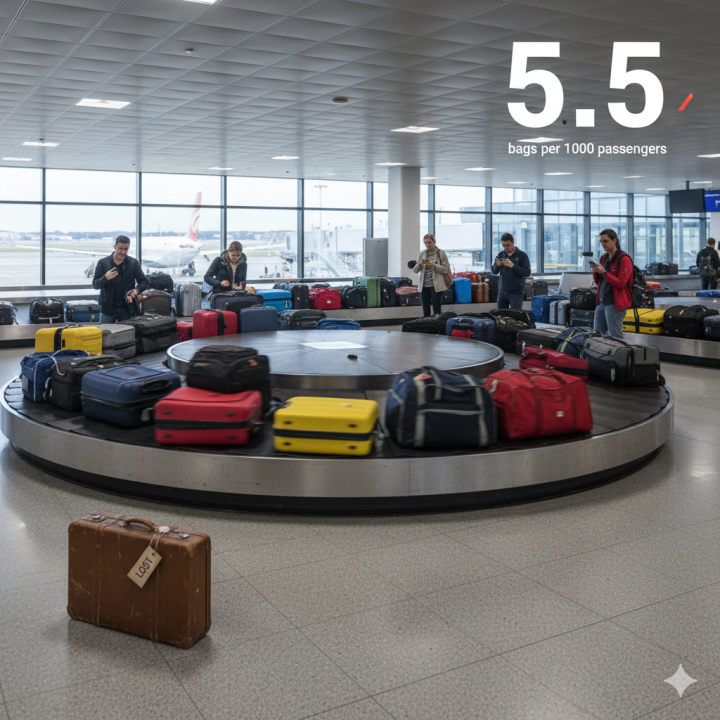
The data for MIA showed concerning figures, including approximately 306 lost-and-found searches recorded per million flights. When calculated by passenger volume, this resulted in an average mishandling rate of 5.5 bags for every 1,000 travelers. For context, this elevated rate placed MIA ahead of other major international airports with luggage issues, including the second-ranked Chicago O’Hare International Airport (ORD) and Singapore Changi Airport (SIN), which was the first non-U.S. airport on the list. Other major American hubs, such as Denver and Dallas/Fort Worth, also appeared in the top ten.
The report suggests several factors contribute to the complexity of baggage operations at MIA. Its crucial role as the principal U.S. gateway to Latin America and the Caribbean means it handles an exceptionally high volume of connecting international flights. These transfers often involve intricate logistics and customs requirements, which increase the potential for errors. Furthermore, high passenger density, sprawling terminals that necessitate long-distance transfers, and South Florida’s frequent weather disruptions—such as thunderstorms—can slow ramp operations, leading to bag backlogs and eventual misplacement.
In recognition of its operational challenges and record passenger volume, MIA has initiated a major, multi-billion dollar capital improvement program. This modernization effort is designed to upgrade facilities, expand concourses, and enhance overall efficiency, with the long-term goal of improving baggage handling systems and accommodating a projected 77 million annual passengers by 2040. In the meantime, travel experts are advising passengers to adopt proactive measures, such as using tracking technology, arriving with extra time, and opting for longer connection windows.
This is yet another reason to travel with carry-on luggage only.