

- Joint International Investigation: A comprehensive investigation into the crash of Air India Flight 171 is underway, involving Indian authorities (DGCA and AAIB), Boeing, and international safety experts to ensure a thorough and transparent review.
- Dual Focus of the Investigation: The inquiry is examining all potential factors, including both the operational aspects of Air India during its rapid post-privatization expansion and the technical design and manufacturing history of the Boeing 787 Dreamliner.
- First Fatal Crash for the Boeing 787: The incident marks the first fatal hull loss for the Boeing 787 Dreamliner, an aircraft with a previously strong safety record, prompting focused scrutiny of its advanced systems.
- Catalyst for Industry-Wide Safety Enhancements: The tragedy is spurring a global re-evaluation of aviation safety protocols, including maintenance schedules, pilot training on complex systems, and regulatory oversight, aiming to strengthen safety measures across the industry.
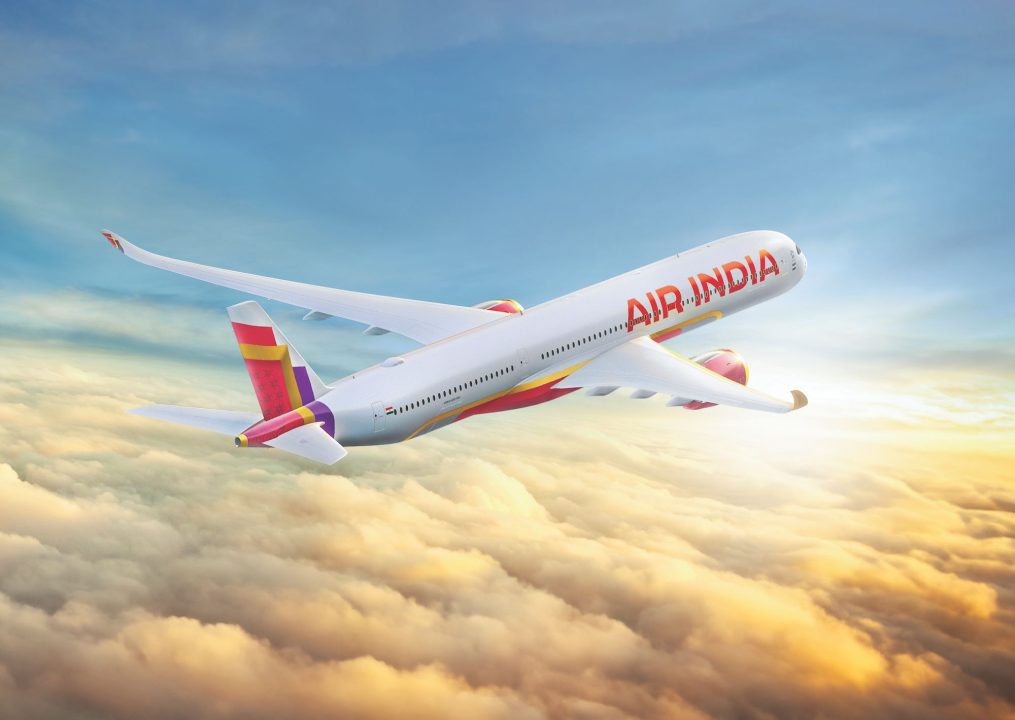
In the wake of the Air India Flight 171 incident in Ahmedabad, the global aviation community has come together in a unified and proactive effort to understand the event and reinforce its unwavering commitment to passenger safety. This comprehensive investigation represents a powerful opportunity for progress, bringing together leading experts from India’s Directorate General of Civil Aviation (DGCA) and Aircraft Accident Investigation Bureau (AAIB), alongside esteemed specialists from Boeing and international safety organizations. Their collaborative work, focusing on analyzing the flight recorders and all operational data, is a testament to the industry’s dedication to transparency and continuous improvement.

This moment serves as a catalyst for a forward-looking review of aviation standards worldwide. Both Air India, amidst its dynamic transformation, and Boeing, with its advanced Dreamliner fleet, are fully engaged in the process. The findings are expected to yield valuable insights that will strengthen maintenance protocols, enhance pilot training on sophisticated aircraft systems, and refine manufacturing and quality control processes.

The aviation industry is known for its incredible resilience and its ability to learn and evolve. This event has spurred important conversations among regulators, airlines, and manufacturers about advancing safety culture even further. By examining every facet of this incident, the industry is poised to implement reforms that will make one of the world’s safest modes of transportation even more secure. For travelers, this dedication ensures that the lessons learned will translate into a future of air travel built on even greater trust, accountability, and an uncompromising focus on safety above all else.