
- Luxury Fleet Expansion: Prominent new ships from brands like Explora Journeys, Seabourn, and Viking Cruises are debuting in the region to meet rising luxury demand.
- Economic Multiplier Effect: Increased visitor spending from high-disposable-income passengers supports job creation and infrastructure improvements across smaller coastal towns.
- Diversified Itineraries: New departure points and off-season sailing dates are helping to create a more consistent, year-round tourism ecosystem.
- Sustainable Management: The integration of AI and data-driven tools allows the region to manage larger crowds while preserving local environmental and cultural integrity.
Atlantic Canada is celebrating a remarkable milestone as it marks thirty years of partnership and progress in the global cruise sector. The 2026 season is set to be a transformative chapter for the region, characterized by a significant diversification of the incoming fleet and a surge in luxury and expedition offerings. This growth is driven by the arrival of several high-profile new vessels, including the Explora III, Oceania’s Vista, and Viking Vela. These ships bring a sophisticated demographic of travelers who seek the authentic charm and welcoming character that the coastal provinces are known for. By attracting these high-value guests, the region is successfully positioning itself as a premier destination for discerning global travelers.
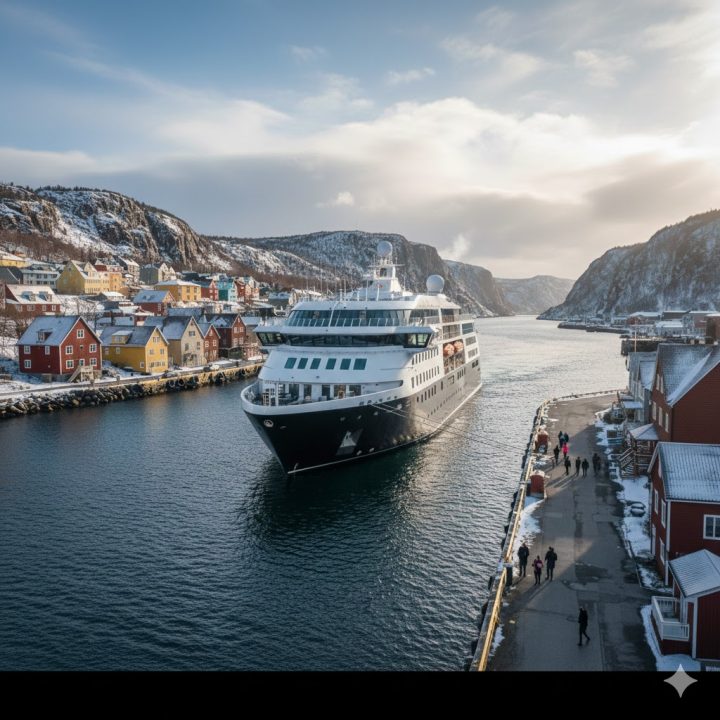
The expansion of itineraries is also playing a crucial role in stabilizing the local tourism economy. New routes departing from homeports like Philadelphia and Norfolk complement established paths from Boston and New York, spreading visitor demand more evenly throughout the year. This strategic shift toward off-season and year-round options helps counterbalance seasonal fluctuations, providing consistent support for local artisans, tour operators, and hospitality businesses. Small coastal communities are seeing the direct benefits of this development, as cruise tourism acts as a powerful multiplier for regional economic growth.
To ensure this success remains sustainable, the region is embracing smart destination management. By utilizing data-driven strategies and predictive analytics, ports like Charlottetown and St. John’s can manage visitor flows effectively while preserving their delicate ecosystems. This commitment to responsible tourism ensures that the natural beauty and cultural heritage of Atlantic Canada remain protected for future generations. As the region continues to garner significant investor interest from global cruise lines, its future as a leader in sustainable, high-end cruise tourism appears exceptionally bright.