
- The Big Four Leaders: New York City, Miami, Los Angeles, and Orlando serve as the primary pillars of U.S. tourism, each dominating specific niches from business and culture to beaches and theme parks.
- Infrastructure and Accessibility: The growth of these destinations relies heavily on expansive hotel networks and major international gateways, such as JFK, LAX, and Miami International Airport, which facilitate global connectivity.
- Emerging and Specialized Markets: Cities like Houston and Denver are carving out significant roles through specialized appeal, including medical tourism, energy sectors, and outdoor adventure tourism.
- Economic Diversity: The U.S. tourism economy is supported by a healthy mix of leisure travel, business conventions, and cultural exploration, ensuring stability across different markets.
New York City is poised to solidify its standing alongside Miami, Los Angeles, and Orlando as a dominant force in the global tourism landscape for 2026. While the “Big Apple” has long been a favorite, projections indicate it will join these other key hubs to form an unstoppable quartet of international destinations. New York continues to leverage iconic landmarks like Times Square and the Statue of Liberty, supported by a massive hotel network and three major international airports. Miami remains a rising star, utilizing its deep cultural ties to Latin America and expansive beach resorts to attract record numbers of visitors.
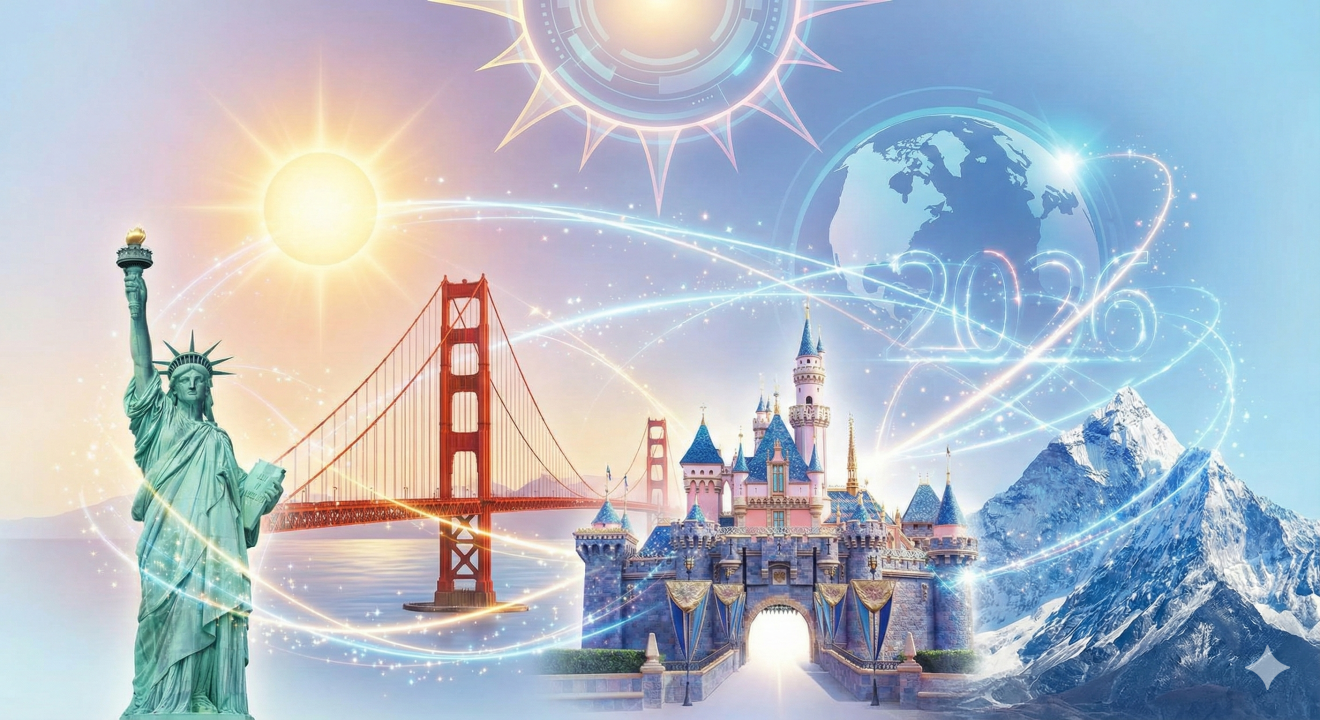
Los Angeles and Orlando maintain their strongholds on the entertainment and family travel sectors respectively. Los Angeles draws global crowds through Hollywood and diverse cultural institutions, while Orlando remains unrivaled for family vacations due to its concentration of world-famous theme parks. Beyond these four leaders, the report highlights the enduring appeal of San Francisco and Washington D.C. for history and culture, as well as the robust business tourism sectors in Chicago and Houston. Denver offers a unique mix of urban living and outdoor adventure, while Las Vegas continues to reign as the world’s entertainment capital. Collectively, these ten cities are bolstered by expanding infrastructure and international connectivity, ensuring the United States remains the premier global tourism economy.