
- The FAA mandate began, requiring airlines to cut at least 4% of flights immediately at 40 major airports, scaling to 10% by November 14.
- The cuts were triggered by safety concerns, including increased air traffic control errors and reports of controller fatigue during the government shutdown.
- Airlines focused cancellations primarily on regional flights to minimize disruption, with American Airlines successfully rebooking most of the 12,000 affected customers on Friday.
- Travelers are advised to anticipate long waits, as security lines at airports like Houston are showing wait times potentially exceeding 45–60 minutes.
The Federal Aviation Administration (FAA) has initiated a mandate to cut thousands of flights across the U.S. starting Friday, November 7, as the government shutdown continues, leading to air traffic controller shortages. This measure, implemented at 40 “high impact” airports, began with airlines cutting at least 4% of flights and is scheduled to scale up to a 10% reduction by November 14. Transportation Secretary Sean Duffy confirmed that this decision was necessary due to concerning safety trends, including more breaches of the minimum distance between aircraft and increased reports of stressed air traffic controllers.
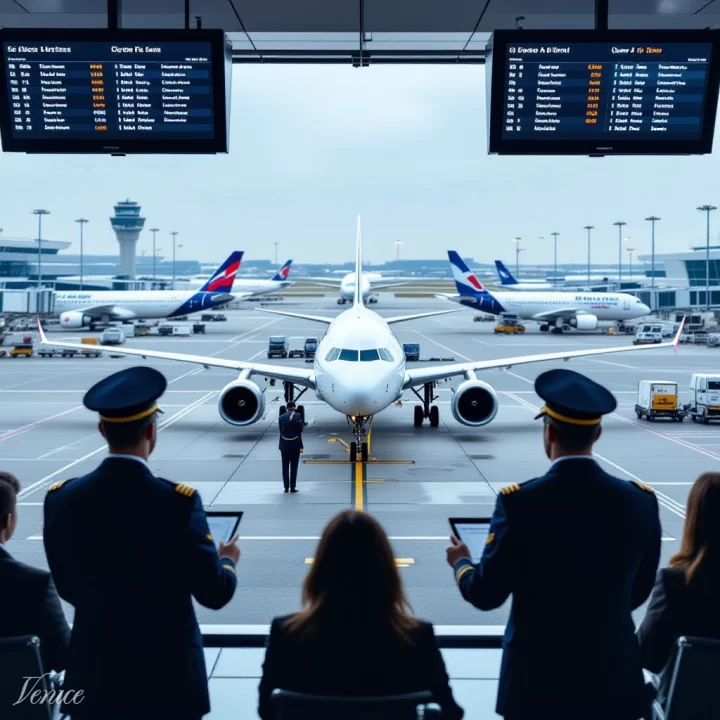
Airlines promptly began complying with the order. On Friday, tracking services showed over 840 flight cancellations nationwide, representing about 3% of the day’s scheduled trips. Chicago’s O’Hare International Airport was the most heavily impacted, followed by Atlanta, Denver, Dallas Fort Worth, and Los Angeles. Carriers like American Airlines canceled approximately 220 flights, affecting about 12,000 customers, though the company stated most were successfully rebooked and accommodated.
Airlines are generally focusing their reductions on smaller regional flights where they have multiple daily departures, allowing them to minimize passenger disruption and maintain the integrity of their hub operations. Carriers such as Delta and American have reported high success rates in rebooking affected travelers, with many scheduled to reach their destination within four hours of their original plan. To manage the ongoing instability, airlines are waiving change fees and offering refunds, while airport officials are urging travelers to plan for security line wait times that could exceed 45–60 minutes.