
- Impact of severe weather on flight operations
- Major and regional airport delays and cancellations
- Interconnected effects across the U.S. aviation network
- Economic and operational consequences of weather disruptions
On October 23, 2025, the United States experienced substantial disruptions in air travel due to severe weather conditions affecting multiple regions. Elevated storm activity, characterized by thunderstorms, low visibility, and unstable atmospheric pressure systems, led to the cancellation of 56 flights and over 3,800 delays across numerous airports. Major hubs such as Chicago O’Hare, Boston Logan, and Los Angeles International faced significant slowdowns, with subsequent ripple effects impacting smaller regional airports like Traverse City, Richmond, Des Moines, and Austin.
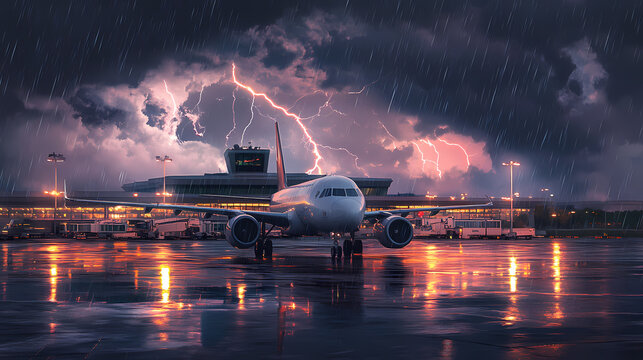
These weather-induced delays resulted in long wait times, crowded airport terminals, and stranded travelers nationwide. The disruptions were largely attributed to weather systems moving through the Midwest and East Coast, which prompted air traffic restrictions, ground halts, and slow taxi operations. Airlines including Alaska, Delta, JetBlue, Cape Air, American, and others were affected, with all major carriers experiencing delays primarily caused by the adverse weather conditions.
The interconnected nature of the U.S. airspace means that delays in one region often caused a domino effect, delaying subsequent flights. Besides the immediate operational challenges, these disruptions incurred economic costs related to crew, fuel, and compensation, impacting stakeholders from airlines to local businesses near airports.
Though only a few flights were canceled outright, the sheer volume of delays demonstrated how weather phenomena can destabilize airline schedules, especially during high travel seasons. The forecast suggests that unsettled weather may continue, prompting airlines to anticipate further disruptions. This event underscores the importance of flexible scheduling, proactive communication, and weather-resilient operations to better manage such disruptions in the future.