- New/Updated U.S. Travel Advisories: The U.S. State Department has issued a series of new or updated travel warnings for multiple countries, including Brazil, Jamaica, France, India, and others, citing increased safety and security risks for American travelers.
- Specific Severe Risks Highlighted: Brazil now has a kidnapping risk advisory due to high urban crime, while Jamaica, despite an advisory downgrade to Level 2 (“Exercise Increased Caution”), is still flagged for extremely high violent crime rates and inadequate emergency/medical services.
- Diverse Global Threats to Travelers: The advisories encompass a range of dangers across these nations, including violent crime, kidnapping, civil unrest, terrorism threats, regional instability, and limitations in local emergency responses.
- Potential Impact on International Tourism: These warnings are likely to influence U.S. travelers’ decisions, potentially disrupting travel plans, negatively impacting the tourism revenues of the cautioned nations, and shifting demand towards destinations perceived as more secure.
The U.S. Department of State has recently issued a series of new or updated travel advisories for several countries, including notable destinations like Brazil and Jamaica, which have now joined nations such as France, India, the Netherlands, the UAE, the UK, and Germany on a list requiring increased caution from American travelers. These advisories reflect mounting U.S. government concerns over risks tied to violent crime, civil instability, faltering emergency services, and potential terrorism in these locations, signaling possible disruptions for the tourism sectors of all affected countries.
For Brazil, the U.S. has added a specific kidnapping risk advisory to its alert, pointing to the growing frequency of abductions and violent crimes targeting foreigners, especially in cities like Rio de Janeiro and São Paulo. Robberies, carjackings, and assaults are reported as common at all hours, with tourists warned against venturing into favelas or “satellite cities,” particularly at night. Incidents of visitors being drugged via spiked drinks and subsequently robbed are also highlighted. With tourism accounting for roughly 8% of Brazil’s GDP, this heightened advisory could significantly impact its travel economy.
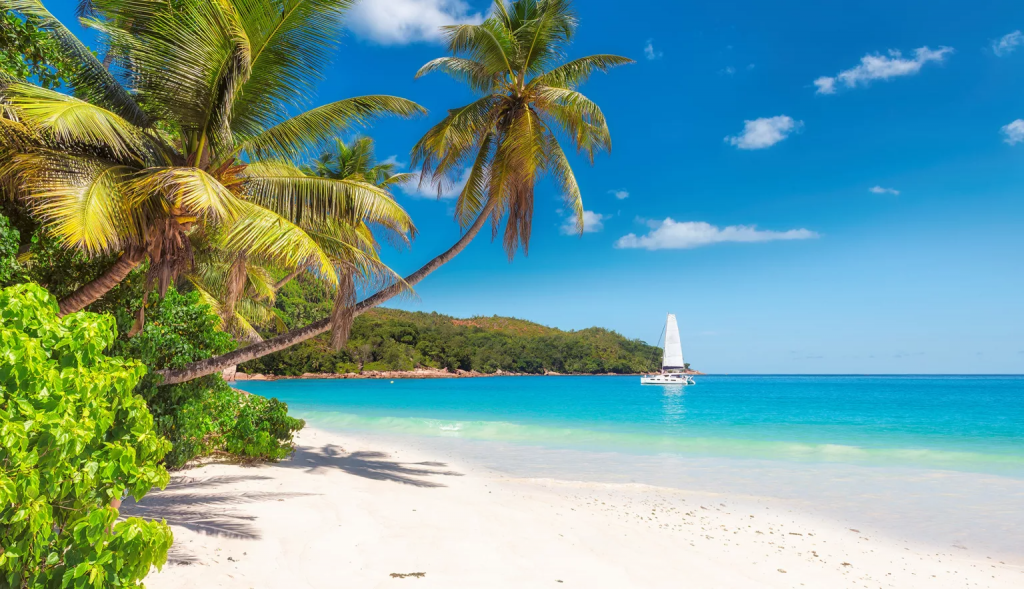
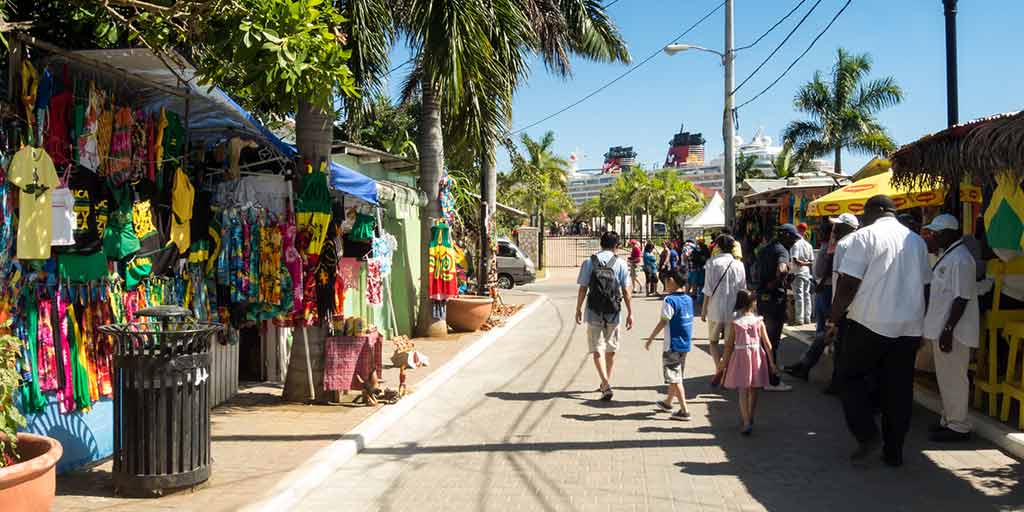
In the Caribbean, Jamaica’s updated advisory, though a downgrade from “Reconsider Travel” to “Exercise Increased Caution” following diplomatic talks and recognized safety improvements, still warns of persistently high rates of homicide, armed robbery, and sexual assault, even within popular tourist zones. The advisory notes that while crime has decreased slightly since 2024, Jamaica’s homicide rate remains among the highest in the Western Hemisphere. A critical concern flagged is the often slow or inadequate response from local law enforcement to serious crimes and limited medical care, with many private hospitals requiring upfront cash payments and lacking specialized emergency capabilities. Given that tourism contributes about 30% to Jamaica’s GDP, any downturn in U.S. visitors could have severe economic repercussions.
Advisories for other nations also reflect specific concerns:
- France faces ongoing risks of terrorism and civil unrest, coupled with rampant petty theft in major cities.
- India’s warning points to terrorism and political unrest in certain regions (e.g., Jammu and Kashmir, India-Pakistan border) and highlights issues of sexual assault.
- Netherlands remains on alert for potential terrorist attacks.
- The UAE advisory mentions the risk of missile/drone attacks due to regional conflicts and cautions about strict local laws.
- The UK and Germany continue to carry warnings due to the threat of terrorism, particularly from lone attackers.
These collective advisories suggest a more rigorous U.S. assessment of global travel safety. As American citizens become increasingly wary of destinations flagged for danger, especially where emergency services are lacking, there’s a strong potential for a shift in travel demand towards destinations perceived as safer and more stable.