
- Torrential rainfall in South Florida on November 18, 2026, caused taxiway flooding at Fort Lauderdale-Hollywood International Airport and triggered temporary FAA ground stops across regional hubs.
- Major airports nationwide—including hubs in Florida, New York, New Jersey, and Illinois—face distinct seasonal weather challenges ranging from heavy rain and storm surges to snowstorms and extreme heat.
- Upgrading airport infrastructure with larger drainage capacities, flood barriers, backup power systems, and weather-resistant surfaces is key to preventing ground congestion and flight delays.
- Passengers traveling during severe weather can minimize stress by monitoring airline notifications closely and allowing extra transit time when surrounding roadways experience flooding
Modern air travel connects millions of people every day, and recent severe weather events are inspiring a smart, forward-looking transformation across major United States airports. Following intense South Florida rainfall on November 18, 2026, that brought roughly 15 inches of rain to Broward County and temporarily flooded taxiways at Fort Lauderdale-Hollywood International Airport, aviation leaders are spotlighting the exciting opportunity to build stronger, weather-resilient airport infrastructure. Alongside temporary flight adjustments at Miami and Palm Beach airports—and earlier storm delays in New York, Newark, and Chicago—these moments demonstrate how targeted investments in drainage and terminal upgrades can make air travel smoother than ever.
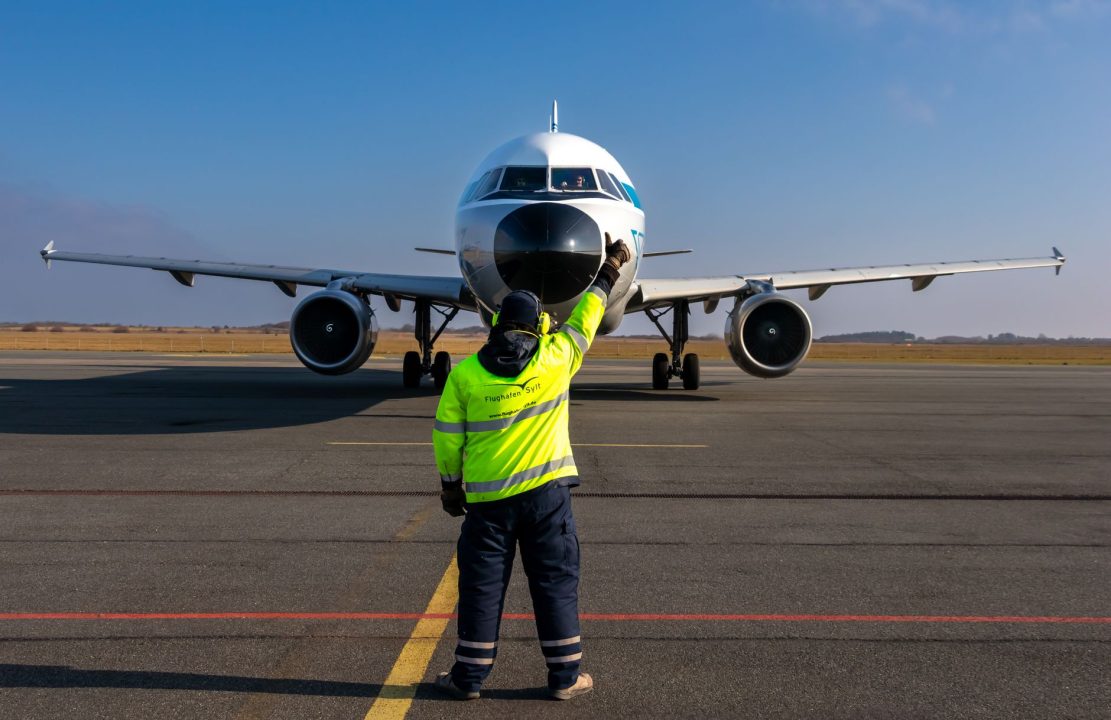
Across the country, aviation planners are identifying practical ways to keep runways clear and schedules reliable regardless of the forecast. At coastal hubs like Fort Lauderdale, Miami, New York JFK, and LaGuardia, expanding stormwater pumping systems, installing flood barriers, and protecting electrical grids can prevent ground delays even during heavy downpours. Meanwhile, inland hubs like Chicago O’Hare, Denver, and Phoenix are focusing on tailored solutions ranging from enhanced winter de-icing facilities to heat-resistant runway surfaces and backup power supplies.
Best of all, proactive communication and smart planning empower travelers to navigate seasonal weather with ease. By checking airline updates and allowing extra time for airport transfers during heavy rain, passengers can enjoy stress-free journeys while airports modernize behind the scenes. Investing in resilient runways, advanced drainage, and durable terminals ensures that America’s aviation network stays safe, efficient, and ready for busy travel seasons ahead.