
- United States airports recorded a midday count of 1,442 flight delays and 141 cancellations, marking a noticeable reduction in overall delays compared to the prior day.
- Dallas-Fort Worth led the nation in delayed departures and arrivals, while South Florida hubs in Fort Lauderdale and Miami accounted for the majority of flight cancellations.
- The Federal Aviation Administration actively managed airspace safety through targeted ground delay programs for high winds in San Francisco and runway construction maintenance.
- Travelers can streamline their journeys by checking airline mobile apps for instant rebooking options, tracking live FAA alerts, and allowing ample time for flight connections.
Commercial aviation across the United States continues to demonstrate remarkable resilience and operational adaptability as major hubs navigate dynamic scheduling adjustments. Recent FlightAware tracking data recorded a midday snapshot of 1,442 flight delays and 141 cancellations across domestic airports, reflecting a substantial improvement from the 2,426 delays registered the previous day. While busy travel corridors inevitably encounter seasonal weather patterns and routine infrastructure maintenance, aviation teams and air traffic controllers work tirelessly behind the scenes to keep millions of passengers moving safely toward their destinations.
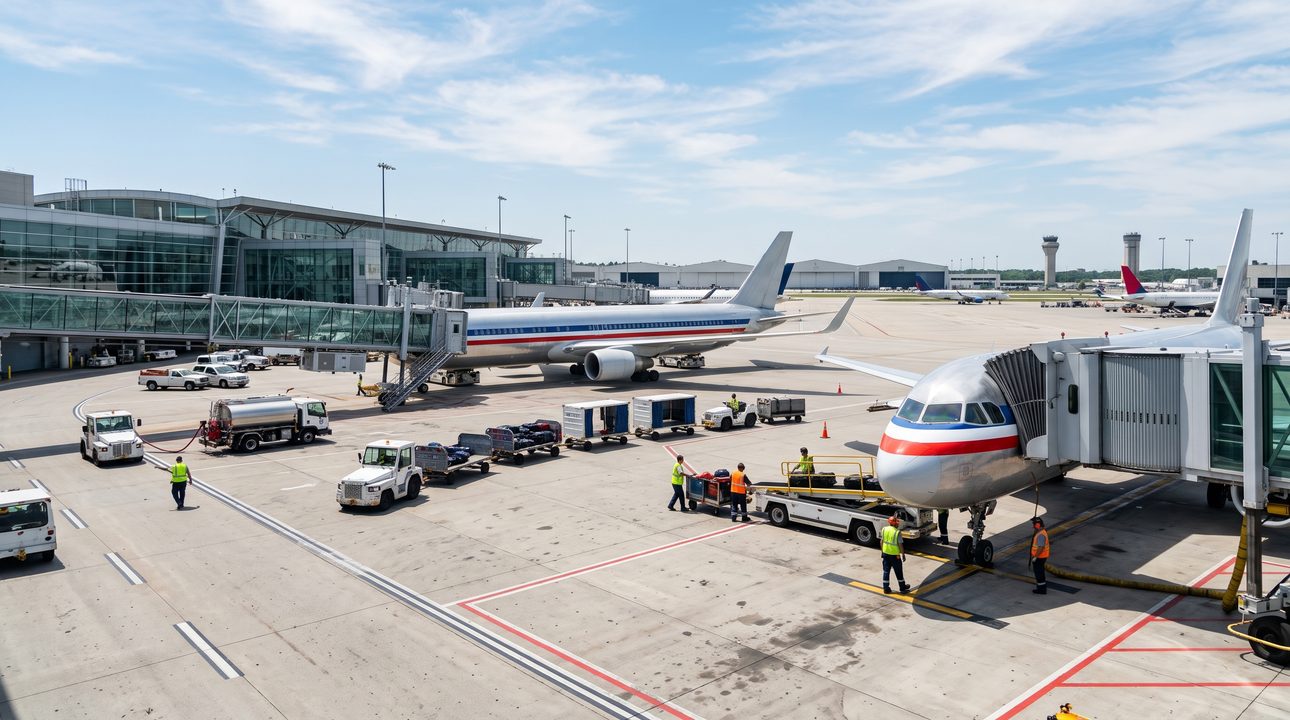
Primary transit hubs such as Dallas-Fort Worth International Airport, Miami International Airport, Fort Lauderdale-Hollywood International Airport, and Chicago O’Hare experienced the highest volume of schedule adjustments. Major carriers including American Airlines, Southwest Airlines, United Airlines, and JetBlue Airways actively managed these fluctuating timetables by adjusting aircraft rotations and assisting affected travelers. Meanwhile, the Federal Aviation Administration helped maintain strict safety margins by implementing targeted ground programs in San Francisco to account for gusty winds, alongside managing routine runway construction projects and localized thunderstorm activity across Texas and Tennessee.
For modern travelers, these temporary operational shifts highlight the value of digital connectivity and proactive trip management. By utilizing official airline mobile applications, monitoring live Federal Aviation Administration status updates, and building extra buffer time into connecting itineraries, flyers can effortlessly navigate busy terminal environments. Instant rebooking features and transparent customer service plans further empower passengers to adjust their travel arrangements right from their smartphones without waiting in long lines. As airlines and airport authorities continually refine their logistical networks, the aviation sector remains focused on delivering safe, reliable, and well-coordinated journeys across the country.