
- The Boeing 777 Freighter has officially surpassed the 747 fleet to become the world’s leading dedicated cargo aircraft.
- The twin-engine widebody aircraft currently supports approximately 40 percent of total global freighter capacity.
- The advanced 777-8F is set to continue this legacy with lower fuel use and cutting-edge composite wing technology.
- Global cargo operators continue to embrace modern twin-engine efficiency for long-haul routes and international trade
The global aviation industry is experiencing a monumental shift as the Boeing 777 Freighter officially overtakes the legendary 747 fleet to become the world’s most widely operated dedicated cargo aircraft. For decades, the iconic Queen of the Skies reigned supreme as the ultimate symbol of long-haul air freight and heavy transport. Today, the high-performing twin-engine 777 Freighter has smoothly stepped into this leadership role, carrying an impressive forty percent of total global freighter capacity.
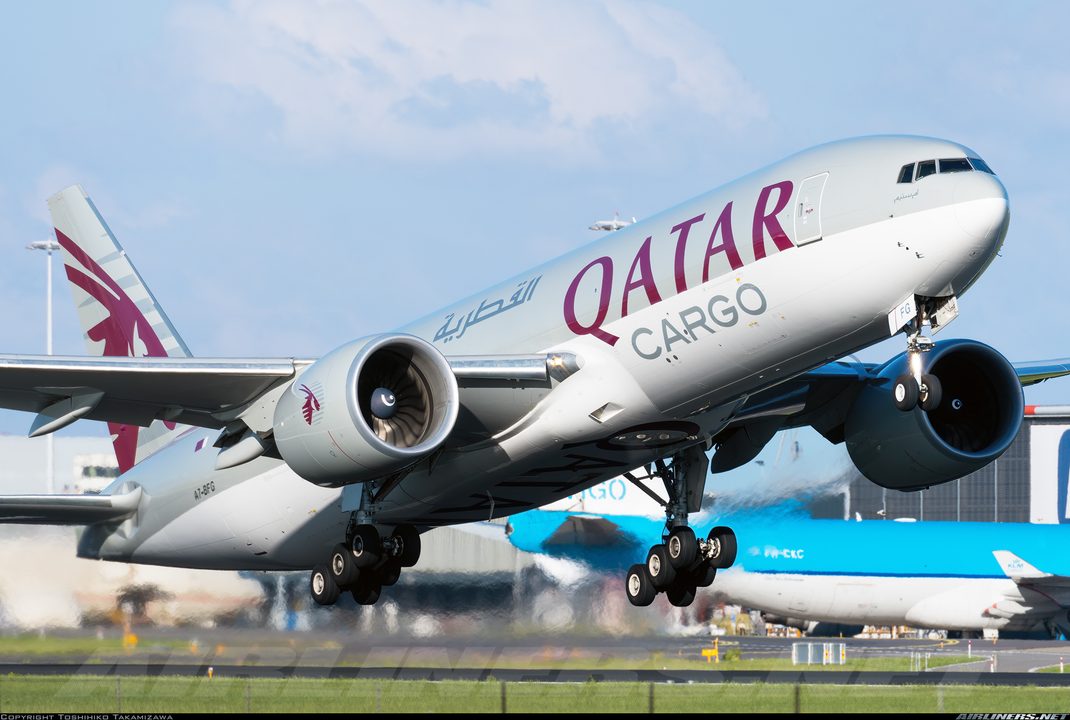
This milestone highlights a broader, highly efficient industry transition toward advanced twin-engine widebody aircraft that provide exceptional capability, reliability, and superior long-range reach. Transporting trillions of dollars in worldwide trade annually, the 777 Freighter delivers unmatched economic and operational advantages to major operators across the globe. Looking ahead, the aviation community is poised for even greater efficiency with the upcoming development of the next-generation 777-8F. Featuring cutting-edge carbon-fiber composite wings and state-of-the-art engines, this future variant promises substantially lower fuel consumption while maintaining the trusted operational commonality that airlines rely on. Ultimately, this transition honors a rich legacy of pioneering cargo history while embracing a streamlined, sustainable, and highly connected future for global logistics and commercial aviation.