
- Significant Tourism Expansion: Foreign arrivals grew 20 percent in the first half of 2026 to reach 2.5 million visitors, with year-end projections targeting 6.5 million international travelers.
- Visa-Free Network of 66 Destinations: Simplified border access and expanded reciprocal agreements encompass 66 nations and territories, including Brazil, Argentina, South Africa, and the United Arab Emirates.
- Surging Regional Discovery: Emerging natural corridors in the Russian Far East and Arctic experienced a 91 percent jump in international tourist arrivals during early 2026.
- Large-Scale Infrastructure Investment: More than one trillion rubles in public and private capital is enhancing aviation facilities, highway connections, and historic luxury hotels across Saint Petersburg, Moscow, and Sochi
International tourism across Russia is experiencing strong upward momentum, driven by expanded visa-free agreements with 66 partner nations and territories alongside modernized electronic visa pathways. Official reports reveal the nation welcomed approximately 2.5 million foreign visitors during the first six months of the year, representing a 20 percent increase over the prior year. Full-year projections anticipate international arrivals reaching 6.5 million travelers, supported by surging inbound traffic from key source markets across Asia, the Middle East, and Latin America.
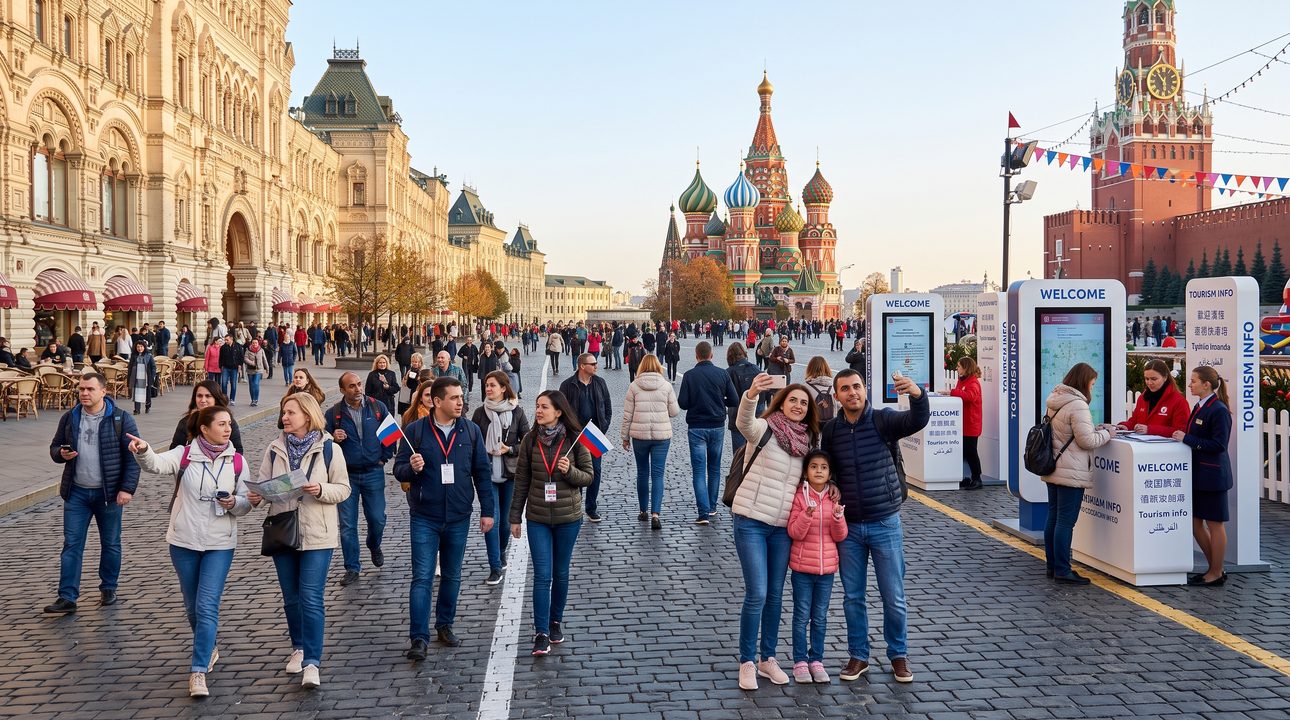
China maintains its position as the top source market, generating more than 22 percent of all foreign arrivals, followed by solid contributions from Turkey, Germany, India, and Turkmenistan. Meanwhile, eco-adventures and scenic exploration across the Arctic and Far East regions recorded an impressive 91 percent rise in overseas visitors. Travel and tourism currently contribute between 2.9 and 3.5 percent to the national economy, generating approximately 7.5 trillion rubles in overall activity. Strategic national initiatives aim to elevate that contribution to at least five percent by 2030, reinforced by substantial public and private investments exceeding one trillion rubles into hotel modernization, transportation corridors, and service quality.
Crucial aviation hubs, including Sheremetyevo, Domodedovo, Vnukovo in Moscow, Pulkovo in Saint Petersburg, and Sochi International along the Black Sea, provide seamless transit for arriving leisure guests and business delegates. Supported by major carriers such as Aeroflot, S7 Airlines, Pobeda, Ural Airlines, and Rossiya, the transport network connects travelers to historic architecture, world-renowned museums, and diverse regional landscapes.
Enhanced travel accessibility continues to strengthen cross-border connectivity, encouraging cultural exchange and opening up magnificent heritage sites to curious travelers from around the world.