
- Overnight Glasses evaluated over forty popular autumn destinations based on six critical environmental metrics affecting eye health, such as artificial night brightness and air pollution.
- Riyadh, Saudi Arabia, ranked as the most visually overwhelming autumn destination due to intense nighttime artificial illumination reaching 20.2K cd/m2 and a high ultraviolet index.
- Cities like Dubai and Delhi recorded significant particulate matter pollution, which places extra oxidative stress on the cornea and increases the risk of temporary irritation.
- Medical experts advise travelers visiting high-pollution or high-brightness regions to utilize protective eyewear and moisturizing drops to prevent long-term eye strain
Understanding how environmental factors influence vision during seasonal travels is becoming increasingly important for modern globetrotters. A recent comprehensive study by Overnight Glasses analyzes over forty popular autumn destinations across six key environmental metrics, including natural brightness, artificial night illumination, ultraviolet radiation levels, and fine-particle air pollution. The findings highlight how bustling global cities like Riyadh, Doha, Dubai, and Delhi present unique visual challenges for visitors due to intense nighttime lighting, extended daylight hours, and elevated air pollution parameters.
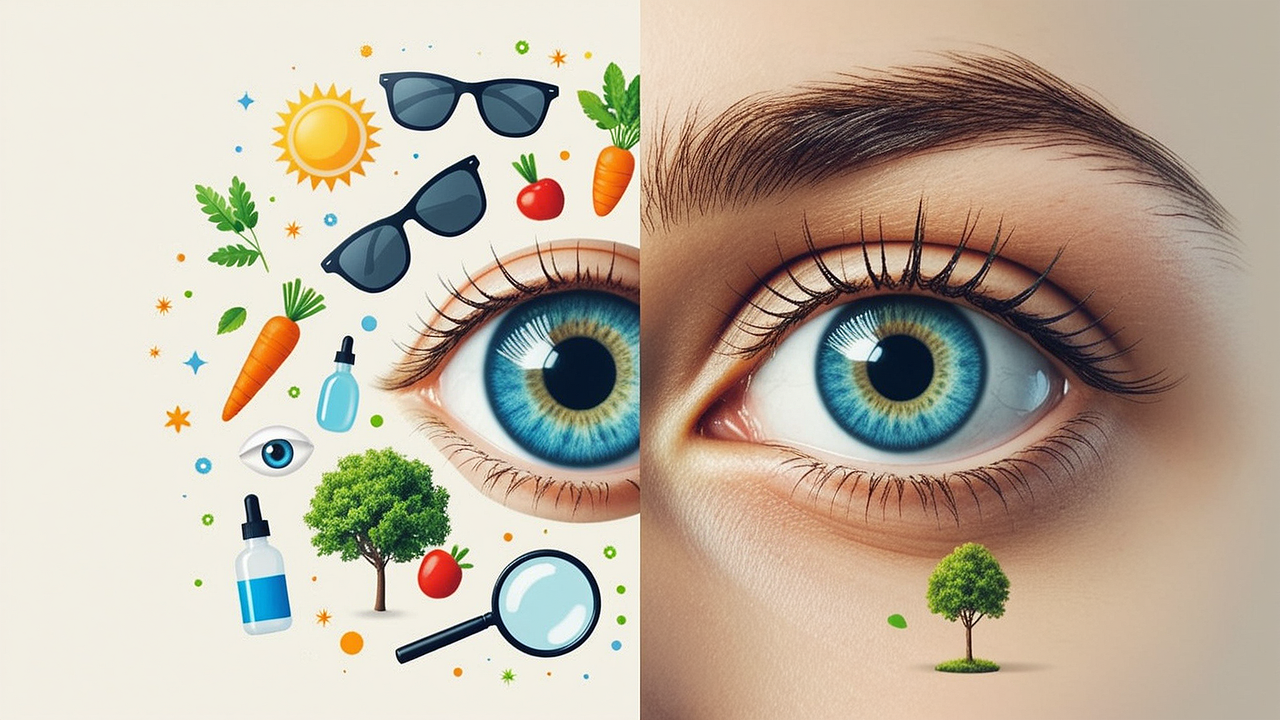
While these vibrant destinations offer unforgettable cultural experiences, travelers can protect their eye health by being mindful of local environmental conditions and taking proactive precautions. Experts recommend simple protective measures such as wearing high-quality polarized sunglasses and utilizing lubricating eye drops to combat dryness caused by airborne particulate matter and intense sun exposure. By balancing exploration with proper ocular care, visitors can fully enjoy their autumn adventures while safeguarding their long-term vision and overall ocular wellness.