
- Contractual Safeguards: Most cruise line ticketing agreements contain clauses that outline potential adjustments if global energy benchmarks rise significantly.
- Hedging Protection: Major cruise operators frequently utilize financial hedging instruments to stabilize fuel expenses and shield consumers from sudden market spikes.
- Proactive Planning: Travelers can review individual line policies and final payment deadlines to ensure complete clarity regarding their vacation budgets.
- Industry Stability: Leading brands continue focusing on operational efficiency and guest satisfaction to keep cruise travel accessible and enjoyable
As global energy markets experience shifts, travelers departing from popular hubs like Port Canaveral are increasingly curious about how fluctuating oil prices might influence their upcoming vacations. Major cruise lines closely monitor fuel costs, prompting many passengers to examine the fine print regarding potential supplementary fees. While standard ticket contracts often include clauses allowing lines to introduce modest daily surcharges when oil crosses specific financial thresholds, major operators frequently utilize advanced financial strategies to absorb market volatility.
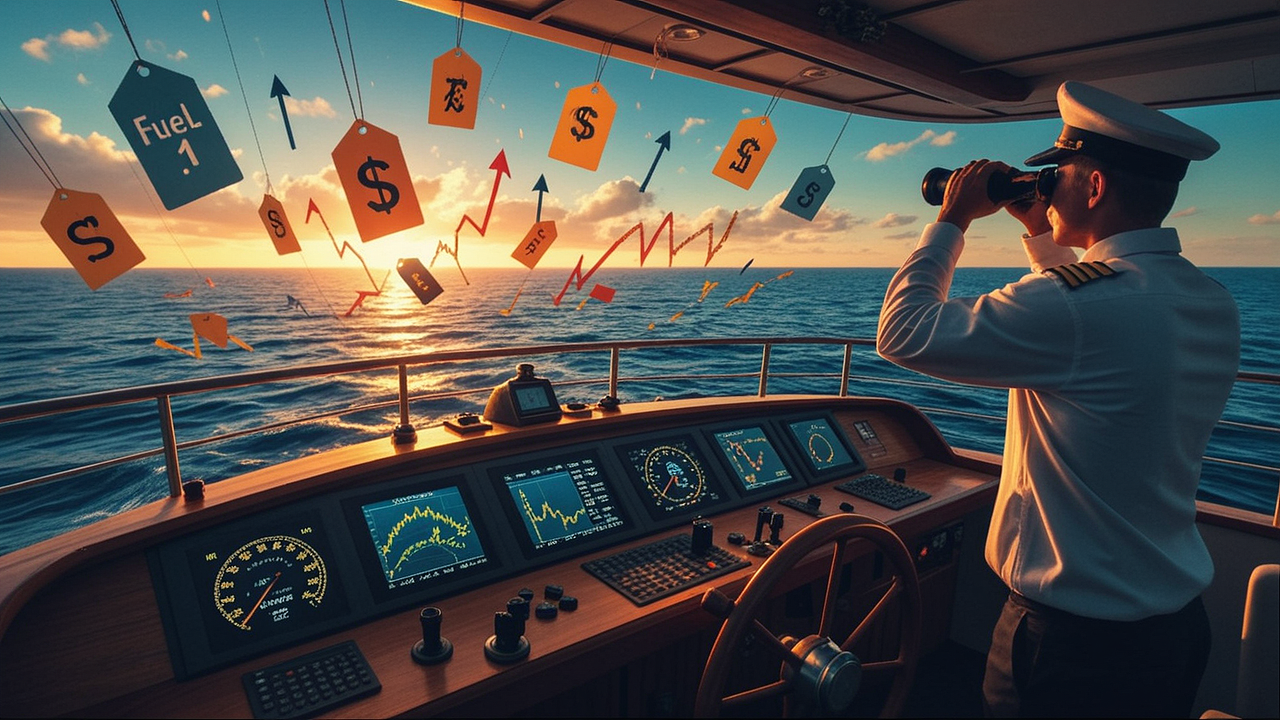
Industry leaders often rely on fuel hedging programs to lock in predictable rates well in advance, providing a reliable cushion against sudden price spikes. This proactive approach helps protect vacationers from unexpected expenses and maintains stability across popular regional itineraries. Even when global commodities tighten, cruise brands prioritize delivering seamless, budget-friendly experiences so that guests can focus entirely on enjoying their time at sea.
Ultimately, staying informed about booking terms and line-specific policies empowers travelers to plan their journeys with complete confidence. By understanding how the broader maritime industry manages energy shifts, passengers can look forward to smooth sailing and unforgettable getaways without unnecessary surprises.