
- Unmatched Hospitality and Safety: Japan pairs high standards of cleanliness and personal safety with omotenashi, a cultural tradition of attentive and heartfelt hospitality.
- Optimal Trip Length and Timing: Travel pros recommend spending at least ten days, with shoulder seasons like late spring and winter offering lower costs and fewer crowds.
- Effortless Public Transportation: Extensive train and subway networks make getting around simple, especially when using rechargeable transit cards like Suica or Pasmo.
- Rich Sensory and Culinary Experiences: Itineraries balance iconic landmarks with slow travel moments, from traditional tea services and markets to regional dining
Japan stands as an extraordinary destination for first-time visitors, offering a seamless blend of ancient heritage, modern innovation, and profound hospitality. As highlighted in AARP’s travel guide, the country is especially appealing to mature explorers due to its exceptional safety standards, immaculate public spaces, and highly efficient infrastructure. Central to the Japanese travel experience is the cultural spirit of omotenashi—a philosophy of deep, mindful care and hospitality where locals regularly go out of their way to ensure guests feel welcome and supported.
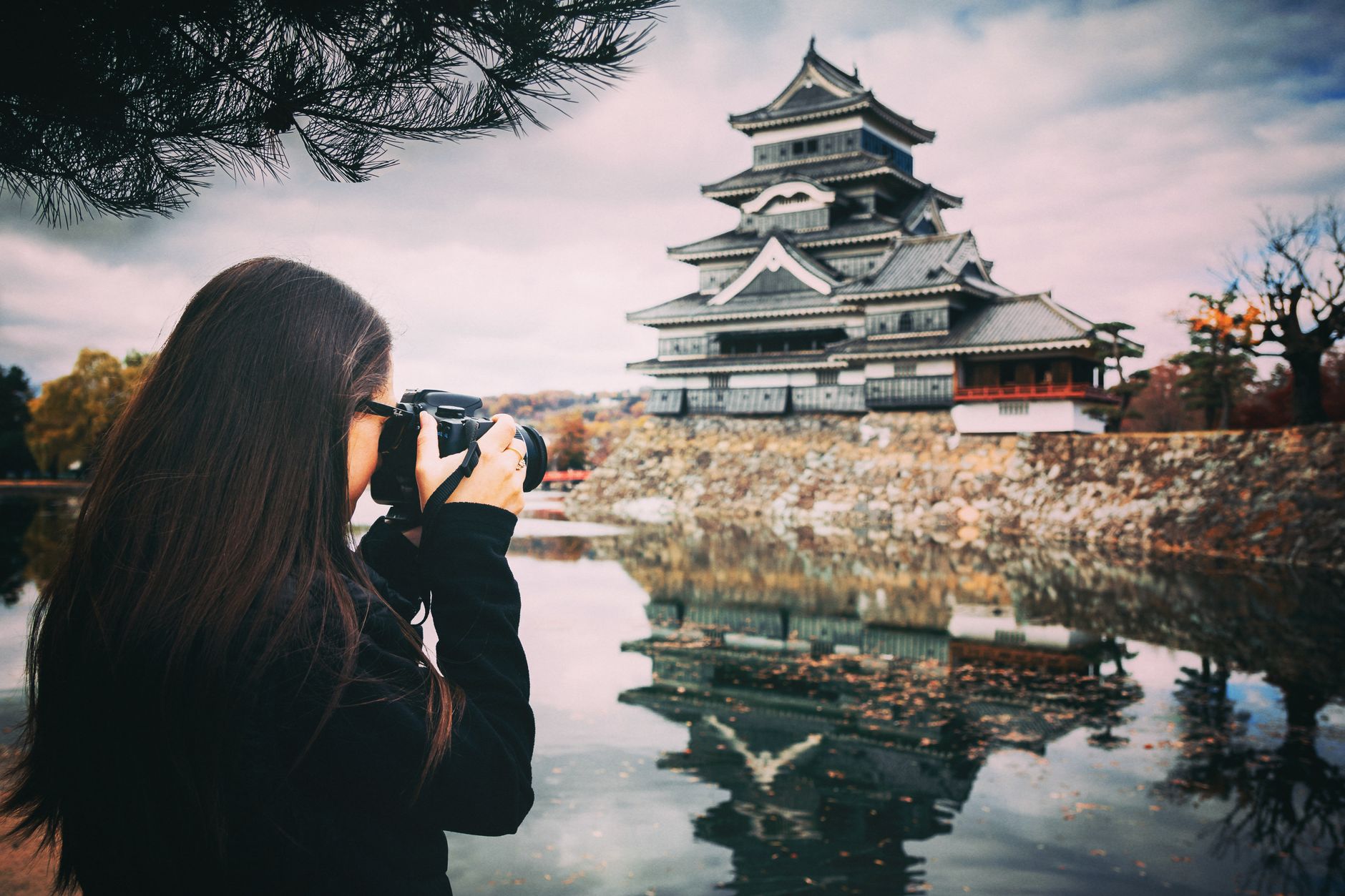
Planning an ideal introductory journey begins with smart scheduling and thoughtful pacing. Travel experts recommend allocating at least ten days for an initial visit, allowing ample time to adjust to time zone shifts while exploring dynamic urban hubs like Tokyo alongside culturally rich historical centers like Kyoto. While peak travel periods in spring for cherry blossoms and autumn for vibrant foliage draw large global crowds, visiting during shoulder months such as May and June or winter periods between November and February offers pleasant sightseeing conditions, fewer crowds, and significant savings on lodging and airfare.
Navigating Japan is both intuitive and rewarding thanks to the nation’s world-class passenger rail and subway networks. Travelers can easily manage daily transit by loading digital or physical rechargeable IC cards like Suica or Pasmo on mobile devices or cards to breeze through station gates. In addition to iconic landmarks like Tokyo’s historic Sensō-ji Temple, bustling Shibuya Crossing, and Kyoto’s serene Arashiyama Bamboo Grove, the guide emphasizes the joy of slow, sensory travel. From savoring fresh seafood at Tsukiji Outer Market to participating in traditional tea services and peaceful garden strolls, Japan rewards curious travelers with lifelong memories.