
- Substantial Direct Spending: Cruise tourism generated an estimated $105 million in direct spending in Sitka during 2024, resulting in a total economic output of $156 million across the region.
- Significant Employment Impact: Ocean travel operations directly supported 569 local jobs, contributing to a broader total of 754 jobs supported throughout Alaska.
- High Individual Guest Expenditure: Arriving cruise passengers spent an average of $136 per visit, distributed across guided tours, retail shopping, and local food and beverages.
- Rapid Regional Market Expansion: Alaska’s cruise passenger demand surged by 40% between 2019 and 2024, highlighting the region’s strong appeal as a premier maritime destination
Cruise tourism continues to serve as a vital economic engine for Southeast Alaska, delivering substantial financial benefits, supporting local employment, and boosting community vitality. A comprehensive economic impact study commissioned by the Cruise Lines International Association and prepared by Oxford Economics reveals that cruise-related activity generated an estimated 105 million dollars in direct spending in Sitka, Alaska, during the 2024 season.
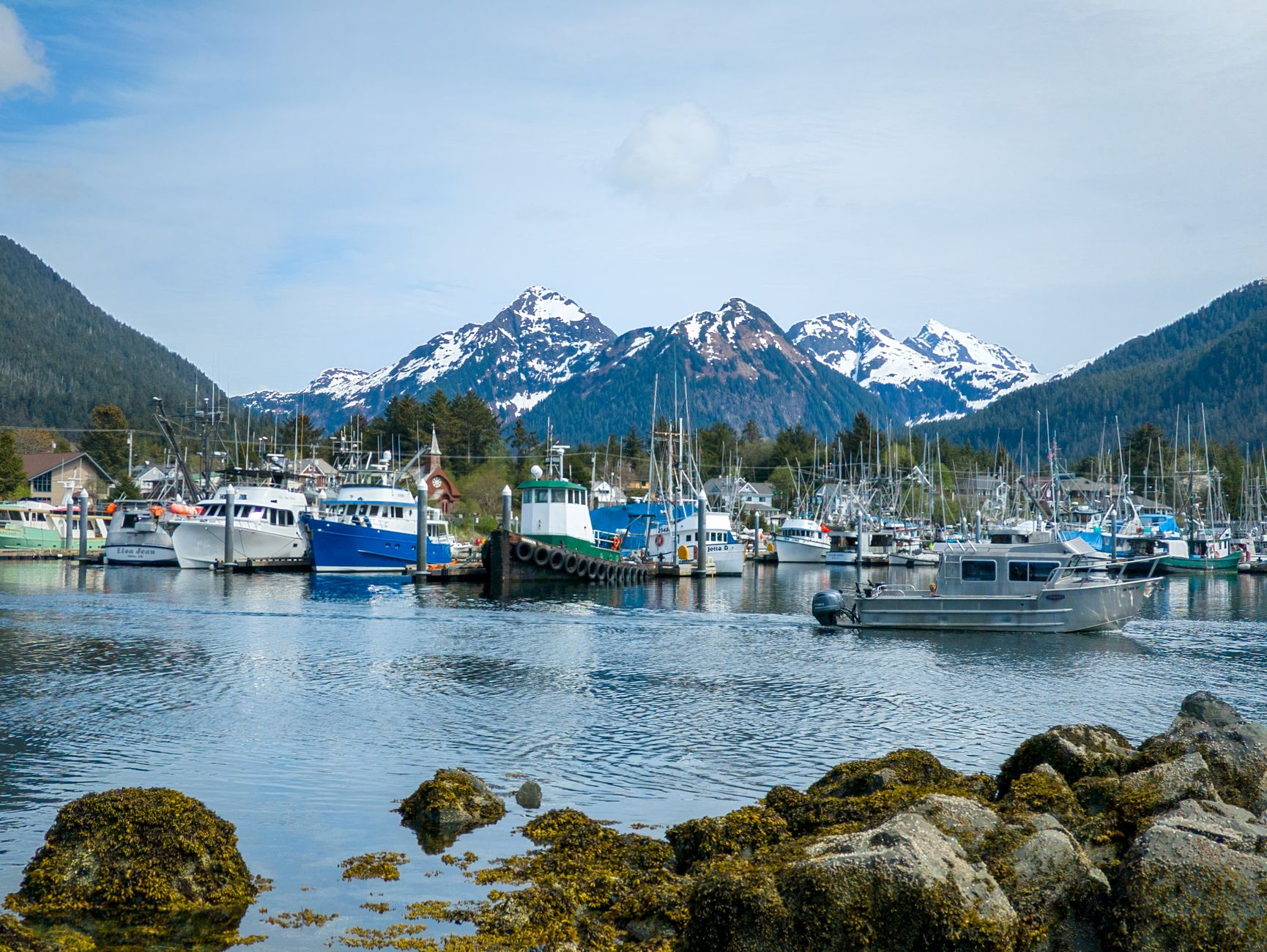
Presented to the Sitka Assembly, the findings illustrate the dynamic financial flow that cruise visitors and ocean operators introduce to the historic coastal port. Cruise passengers spent an average of 136 dollars per person during their time ashore, channeling crucial resources directly into local excursions, retail boutiques, artisanal craft markets, and regional dining establishments. This visitor expenditure directly supported 569 local jobs, with an additional 185 positions generated through indirect supply chain activity, contributing to a total employment footprint of 754 jobs across Alaska.
The research forms part of an innovative international benchmarking program tracking the economic contributions of cruise operations across ten key ports throughout Europe and the Pacific Northwest. Between 2019 and 2024, cruise passenger demand across Alaska expanded by forty percent, outpacing global cruise growth rates and introducing thousands of first-time travelers to the cultural heritage and natural splendor of Baranof Island.
Beyond passenger transactions, the wider economic ripple effect demonstrates how maritime tourism strengthens local municipal revenue, enhances public services, and sustains year-round small businesses. As port communities and industry stakeholders collaborate to balance sustainable visitor management with economic opportunity, cruise operations remain a cornerstone of Alaska’s thriving maritime travel economy.