
- Vessel Sanitation Program (VSP) Protocols: Cruise lines follow strict CDC-mandated cleaning and isolation procedures immediately upon detecting signs of contagious illness.
- Industry-Wide Transparency: Every gastrointestinal incident on board is required to be reported to federal health authorities, ensuring public data is accurate and accessible.
- Rapid Containment Measures: Ship operators utilize medical isolation for affected guests and crew to proactively stop the spread of illness in close-quarters environments.
- Proactive Public Health Monitoring: Small expedition ships, like the National Geographic Sea Bird, are subject to the same high-level health surveillance as large commercial cruise vessels.
Travelers setting sail on modern cruise lines benefit from some of the most rigorous public health oversight in the global tourism industry. While occasional clusters of gastrointestinal illness can happen in any shared space, the response by cruise operators demonstrates how proactively the maritime industry protects guest well-being. A recent situation involving the National Geographic Sea Bird, a small expedition vessel operated by Lindblad Expeditions, highlights the effectiveness of these standardized safety measures.
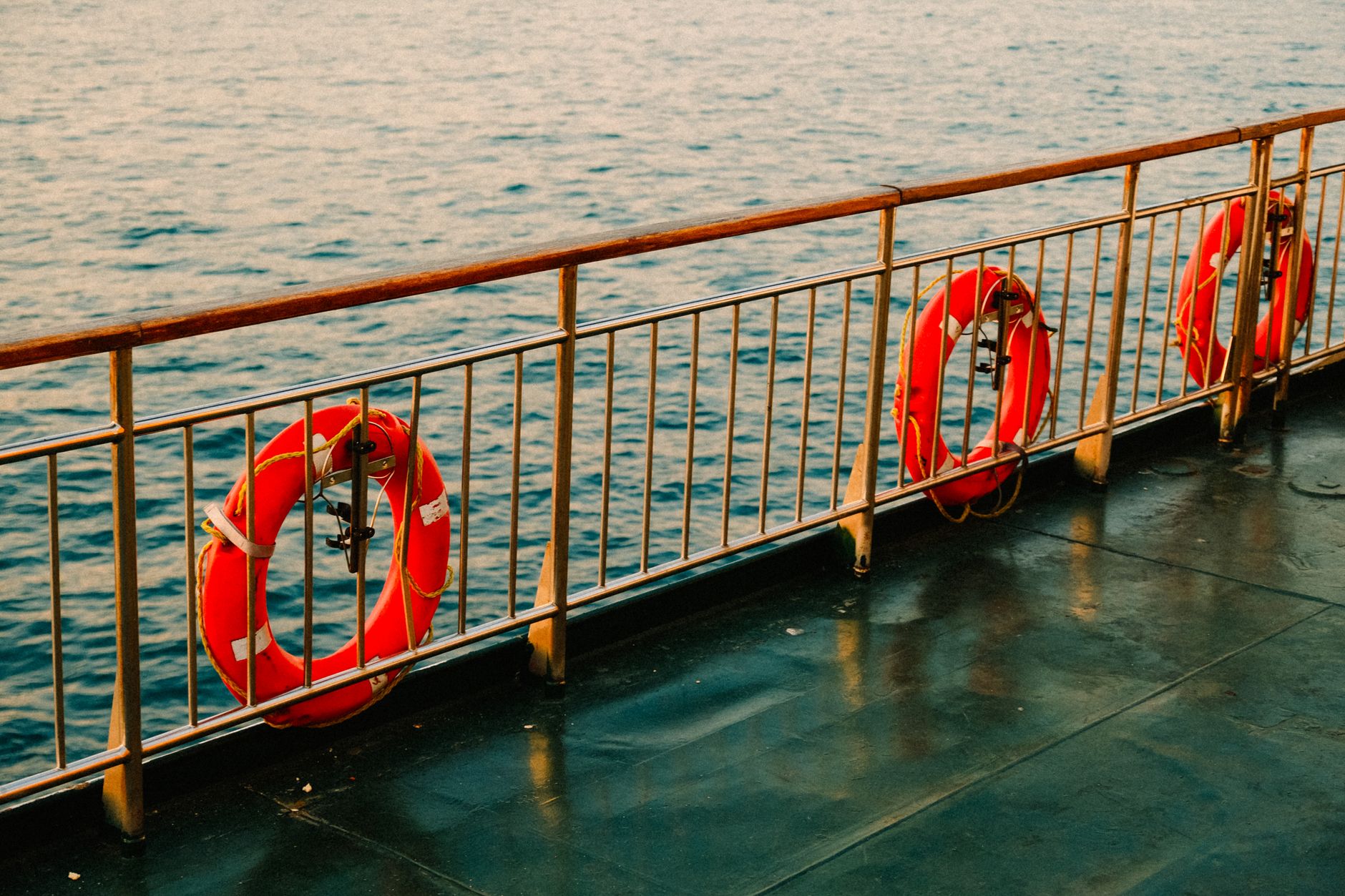
According to the Centers for Disease Control and Prevention, this vessel experienced its third reported instance of gastrointestinal illness this summer while cruising along the coasts of Alaska and British Columbia. While the situation naturally concerns those involved, it serves as a testament to the transparency of current cruise reporting. Whenever such incidents occur, cruise lines immediately trigger the Vessel Sanitation Program (VSP) protocols. These established procedures mandate comprehensive deep-cleaning of all surfaces, the medical isolation of affected passengers to prevent further transmission, and immediate, mandatory reporting to federal health authorities.
This proactive approach successfully transforms a localized health challenge into a controlled, manageable situation. By working in direct coordination with the CDC, cruise lines ensure that outbreaks are contained rapidly and handled with professional medical oversight. For future passengers, this means that even if a health issue arises, a robust, pre-existing infrastructure is ready to safeguard everyone on board.
The cruise industry remains committed to refining its hygiene strategies through constant data analysis and public accountability. This level of oversight provides travelers with the information they need to plan their voyages with peace of mind. Ultimately, the system works as intended, identifying potential risks early and ensuring that the vast majority of vacationers enjoy a seamless, healthy, and memorable journey through some of the most stunning destinations on earth.