
- Revisiting Historical Maritime Tragedies: The Netflix documentary utilises newly unearthed archival video and black box recordings to examine the catastrophic leadership failures during the 2012 Costa Concordia incident.
- Massive Advancements In Safety Protocols: Over the past fourteen years, global cruise lines have implemented major, sweeping safety upgrades and rigorous training standards to prevent similar emergencies.
- Media Impact On Consumer Travel Trust: Industry analysts are closely monitoring streaming audience metrics to evaluate if highly emotional disaster documentaries temporarily affect cruise booking volumes.
- Constructive Industry Dialogue and Transparency: Modern operators are welcoming the conversation as a perfect opportunity to demonstrate their absolute commitment to passenger safety and robust engineering standards.
The intersection of high-stakes streaming and modern maritime travel is sparking a fascinating industry debate. The article explores the debut of Netflix’s gripping documentary, Shipwrecked: Nightmare at Sea, which painstakingly revisits the tragic 2012 sinking of the luxury cruise liner Costa Concordia. By combining chilling black box recordings, previously unreleased archival footage, and emotional first-hand survivor testimonies, this cinematic deep dive has captured global attention, prompting experts to evaluate whether such intense media exposure could negatively impact consumer trust in the modern cruise industry.
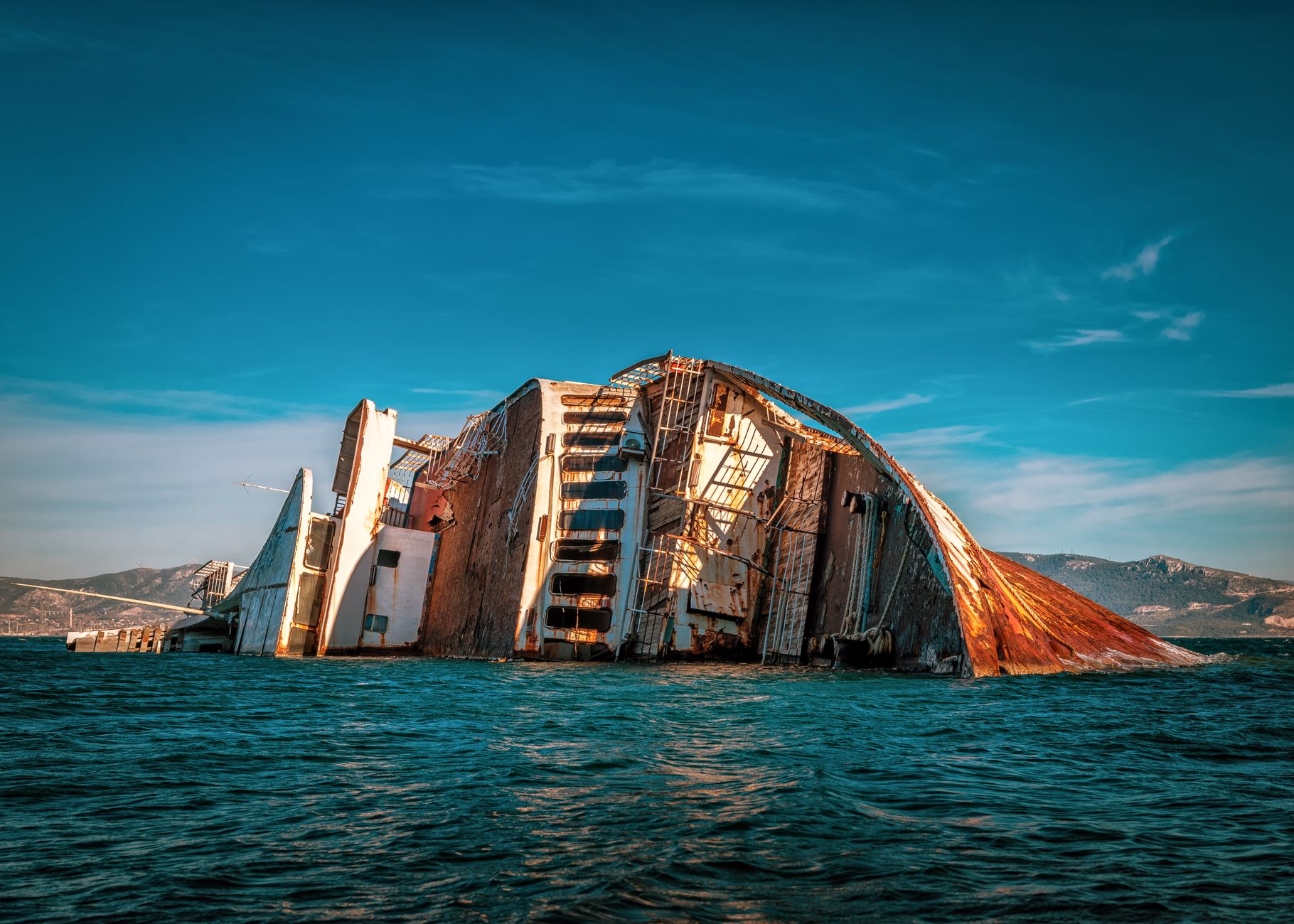
Despite the heavy, dramatic subject matter, industry insiders remain highly optimistic about the resilience of global cruise travel. Over the last decade and a half, cruise lines have made monumental, systemic advancements in passenger safety protocols, ship design, and emergency communication. Today’s travelers are exceptionally well-informed and recognize that the modern maritime sector operates with unprecedented levels of safety, training, and regulatory oversight. By highlighting these vast operational improvements, the discussion serves as a powerful reminder of how far the industry has come in safeguarding passenger welfare.

Ultimately, rather than sinking the sector, the documentary is projected to stimulate constructive dialogue regarding the evolution of maritime safety. For vacationers, travel advisors, and cruise operators alike, this conversation reinforces the value of robust safety measures and advanced crew training. Rather than deterring future adventurers, this heightened focus on transparency and secure operations is actively building consumer confidence, proving that ocean exploration remains one of the most rewarding, tightly regulated, and beautifully reliable ways to discover the world.