
- Significant Hospitality Tax Disparities: Independent research indicates that hotel stays face an average tax rate of twenty-three percent, whereas comparable cruise nights face just twelve percent.
- Legacy Maritime Classification Exemptions: Cruise lines legally benefit from transport-grade incentives, allowing vessels to bypass standard value-added taxes and fuel duties applied inland.
- Targeted Port Passenger Levies: Environmental economists suggest a fifteen-euro terminal tax per guest to raise essential funds for coastal ecosystem protection and dock electrification.
- Broader Regulatory Mix Solutions: True structural balance requires coupling tax updates with stricter marine fuel parameters and daily ship arrival limits at heavily congested ports
According to a thought-provoking transport and economics briefing published by Euronews Travel, a critical spotlight has been cast on the fiscal rules governing the European vacation industry. Data compiled by the independent advocacy group Transport and Environment reveals a substantial disparity in how governments tax land-based hospitality versus major marine tourism. Even though a cruise traveler can generate a significantly higher carbon footprint than a standard hotel guest, an overnight stay aboard a cruise vessel in key Mediterranean destinations like France, Italy, and Spain faces an average tax burden that is forty percent lower than a night spent in a traditional hotel.
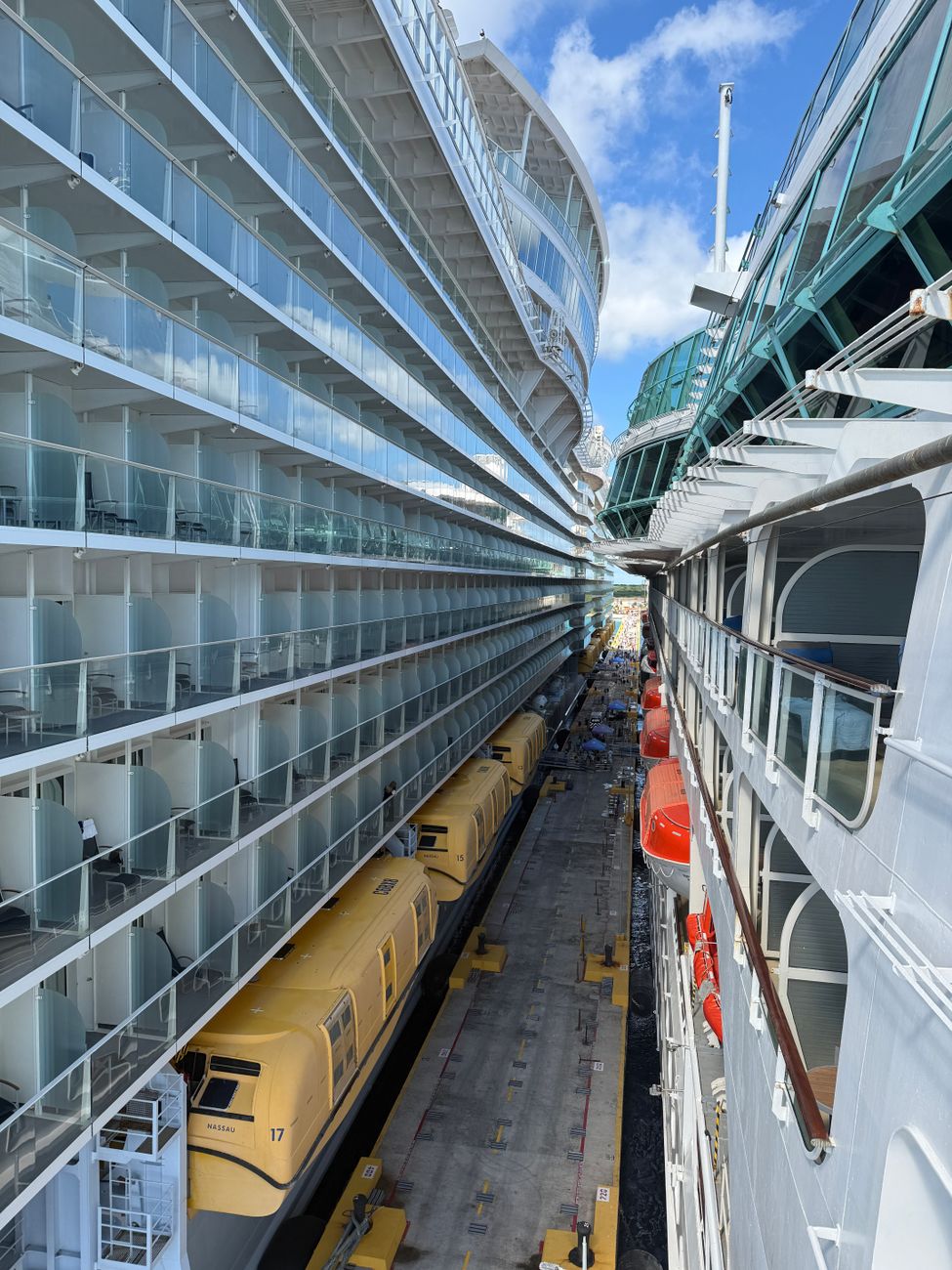
This notable tax gap stems from the legacy legal classification of cruise liners as essential maritime transport rather than luxury holiday accommodation. Because they share the same regulatory framework as commercial freight fleets, cruise lines frequently enjoy sweeping exemptions from local value-added taxes, corporate income taxes, and maritime fuel duties. Policy analysts argue that these structural benefits act as an unintended loophole for massive “floating hotels” that function as vacation destinations in their own right.
To better address localized overtourism pressures and the environmental costs of shipboard emissions, the briefing highlights growing calls for targeted fiscal updates. Proposals include establishing a standard fifteen-euro passenger levy per port call, which could generate over three hundred million euros annually to fund green port infrastructure, such as onshore electricity hookups. While industry representatives note that cruise lines contribute extensively to global shipbuilding supply chains and local tour operator networks, these evolving conversations underscore a positive, proactive movement toward creating a more balanced, transparent, and eco-conscious framework for international coastal tourism.