
- Expanding Global Alliance: The addition of five new countries brings the total coalition to 20 reef nations and 35 organizations dedicated to preserving climate-resilient coral systems.
- Critical Protection Gap: Only 28 percent of identified climate-resilient reefs are currently protected, underscoring the vital need for immediate policy intervention and international funding.
- Economic and Biological Powerhouses: Coral reefs provide a lifeline for nearly one billion people globally, contributing up to 2.7 trillion dollars annually in critical ecosystem services.
- Science-Driven Local Action: The pledge integrates modern scientific mapping with community leadership to target conservation efforts where they will have the greatest long-term impact
The global movement to safeguard marine biodiversity reached an inspiring milestone at the 11th Our Ocean Conference in Mombasa, Kenya. Five new nations—Kenya, Comoros, the Dominican Republic, Mexico, and the United Kingdom—officially signed the High-Level Climate-Resilient Coral Reef Commitment. This vital addition expands the prominent global coalition to 20 forward-thinking governments and 35 leading conservation organizations, all working together to protect the underwater ecosystems that possess the unique ability to withstand warming ocean temperatures.
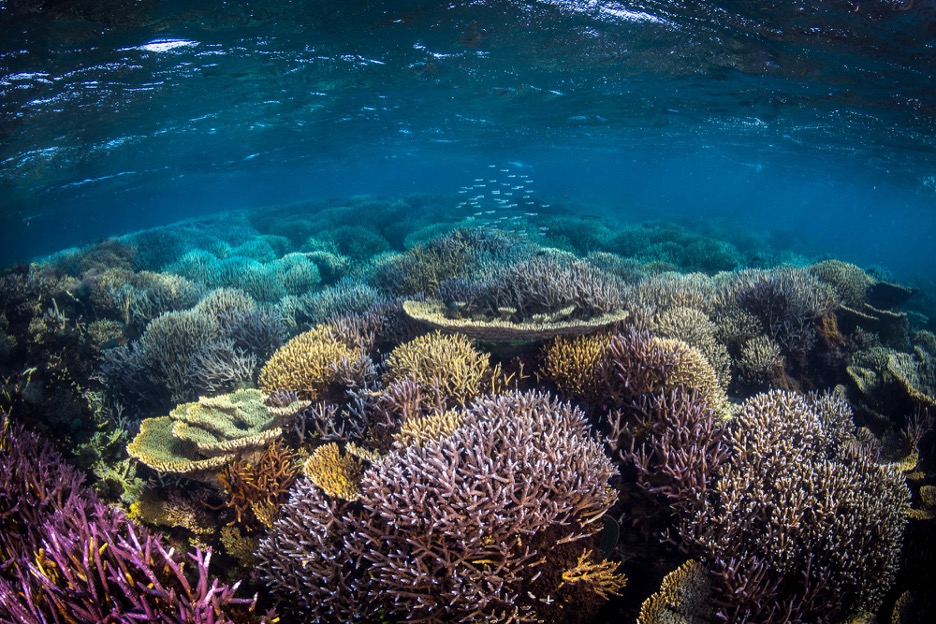
While coral reefs cover less than one percent of the ocean floor, they are absolute powerhouses for the planet. They support a staggering 25 percent of all marine life, generate trillions of dollars in annual ecosystem services, and secure the livelihoods of nearly one billion people. Despite this massive ecological and economic impact, only 28 percent of these uniquely resilient sanctuaries currently benefit from formal protection, driving the urgent need for expanded international cooperation
The signing coincided with the launch of the global campaign, Our Reefs, Our Future, spearheaded by the Wildlife Conservation Society, World Wildlife Fund, and The Nature Conservancy. This initiative champions science-based mapping to identify robust coral structures capable of driving future reef recovery. By prioritizing these underwater sanctuaries in national environmental policies and 30×30 conservation targets, signatory nations are moving beyond good intentions to treat reef preservation as a necessary climate investment. Through local community empowerment, reduced coastal pollution, and sustainable fishing practices, this global coalition offers genuine optimism for the long-term survival and restoration of the world’s most valuable marine habits.

Wildlife Conservation Society (WCS)
WCS saves wildlife and wild places worldwide through science, conservation action, education, and inspiring people to value nature. To achieve our mission, WCS, based at the Bronx Zoo, harnesses the power of its Global Conservation Program in more than 55 countries and in all the world’s oceans, and its five wildlife parks in New York City, visited by more than 3.5 million people annually. WCS combines its expertise in the field, zoos, and aquarium to achieve its conservation mission. Visit: newsroom.wcs.org. Follow: @WCSNewsroom. For more information: +1 (347) 840-1242. Listen to the WCS Wild Audio podcast HERE.
Despite their importance, only 28 percent of identified climate-resilient reefs like this one currently
fall within protected or conserved areas – underscoring the urgency of the growing coalition.
Photo credit: Matt Curnock / The Ocean Agency