
- Pivoting to Quality Tourism: As reported by TravelMole, Croatian municipal authorities are expanding local regulations to transition the coastal economy from mass party tourism to a highly sustainable, premium experience model.
- Targeted Retail Restrictions: New policies in Split specifically restrict late-night retail alcohol sales at supermarkets and convenience stores while protecting the operations of standard restaurants and bars.
- Preserving Heritage Sites: A major driver for the increased enforcement is the protection of iconic, UNESCO-listed historical centers, which face structural strain from large nighttime summer crowds.
- Mediterranean-Wide Trend: Croatia’s proactive policy shift aligns with a growing regional trend across Southern Europe, where coastal destinations are prioritizing community impact, noise reduction, and regulated entertainment
An insightful report by TravelMole reveals that Croatia is proactively refining its tourism strategy along the stunning Adriatic coast by introducing targeted control measures against disruptive late-night party tourism. Popular coastal cities and island destinations—including Split, Hvar, and Novalja—are actively implementing or expanding regulatory frameworks to manage public conduct, late-night alcohol availability, and noise levels. This shifting approach highlights a positive, forward-looking effort by Croatian tourism officials to pivot the country’s reputation toward a highly sustainable, premium-value travel model that values both visitor experiences and local quality of life.
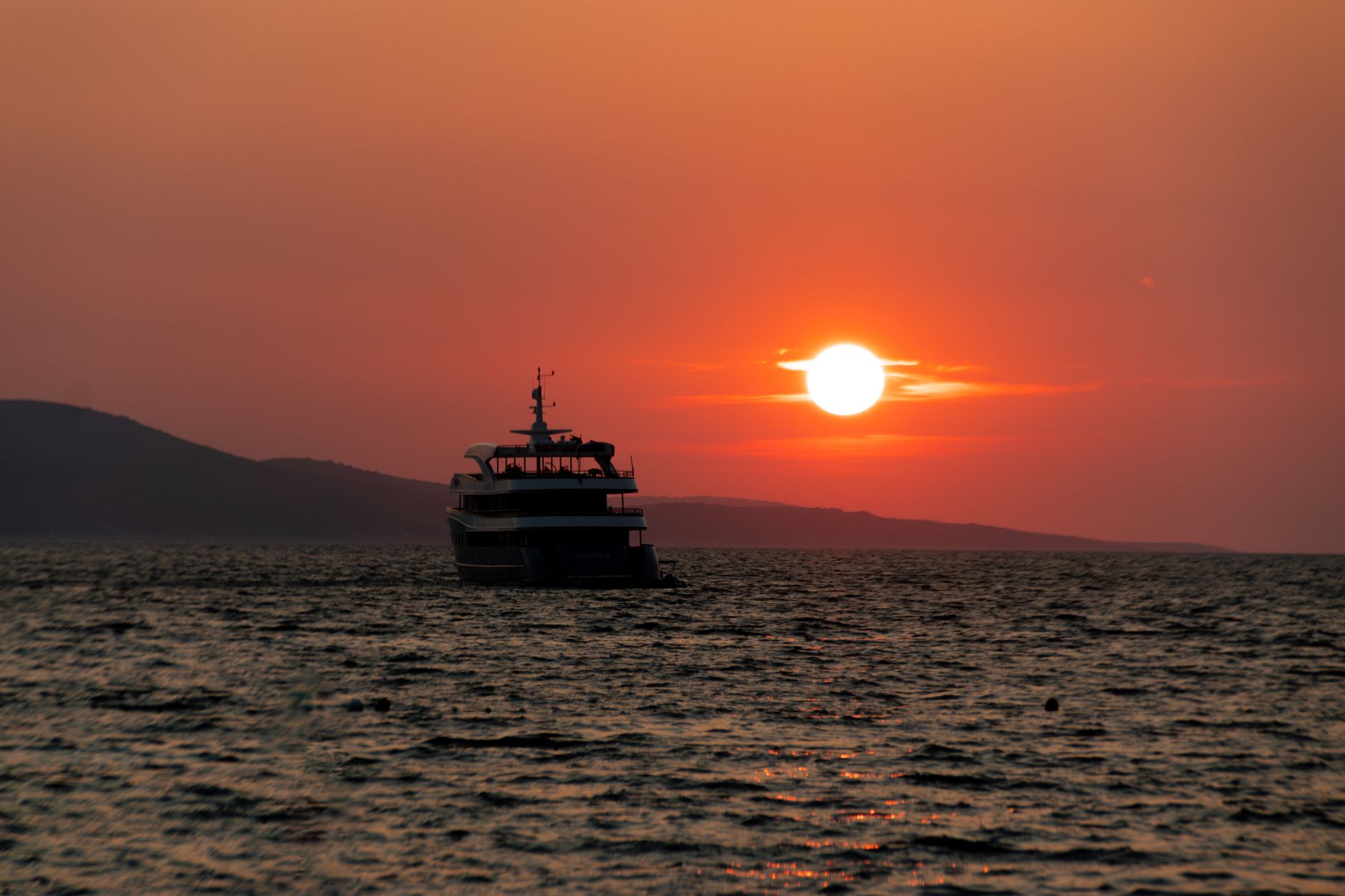
The updated local regulations focus primarily on minimizing street public disorder while preserving a vibrant, regulated hospitality environment. In the historic city center of Split, particularly surrounding its pristine, UNESCO-listed cultural sites, authorities are introducing late-evening retail alcohol sales bans targeting local convenience stores and supermarkets. Concurrently, traditional bars and restaurants remain fully permitted to serve guests within their licensed premises. Further down the coast, Hvar is strengthening rules regarding nighttime public behavior, while Novalja on Pag Island is stepping up enforcement near its popular beach clubs to manage seasonal influxes smoothly.
Rather than discouraging international arrivals, policymakers emphasize that these measures are designed to preserve infrastructure and maintain neighborhood harmony for residents during peak summer windows. This strategic evolution mirrors a broader, positive trend across the Mediterranean, where popular summer hubs are shifting away from uncontrolled nightlife economies toward structured, family-friendly, and experience-driven tourism models. By balancing a thriving travel sector with proactive local governance, Croatia is ensuring that its breathtaking coastal destinations remain welcoming, pristine, and structurally sound for travelers and local communities alike for generations to come.