
- Merger Pursuits Off the Table: United Airlines has officially moved away from large-scale corporate consolidation attempts following public opposition from American Airlines leadership.
- Targeted Infrastructure Acquisition Focus: The carrier is pivoting its operational growth strategy toward purchasing high-value individual assets, including strategic airport slots and departure gates.
- Fuel Cost Margin Disparities: Skyrocketing global jet fuel prices are acting as a major market differentiator, heavily favoring well-capitalized brands over low-fare competitors.
- Robust Financial Demand Outlook: United expects sustained passenger booking volumes and adjusted airfares to completely offset its elevated fuel expenses over the coming months.
The domestic aviation landscape is demonstrating incredible strategic clarity as top-tier legacy carriers optimize their growth plans for the future. Following an unsuccessful, unconventional merger proposal with American Airlines earlier this year, United Airlines CEO Scott Kirby has officially clarified the carrier’s forward-looking business strategy. Speaking at the International Air Transport Association annual meeting in Rio de Janeiro, Kirby announced that while large-scale consolidation is now a highly unlikely path forward for United, the airline remains eagerly positioned to acquire strategic infrastructure pieces from competitors.
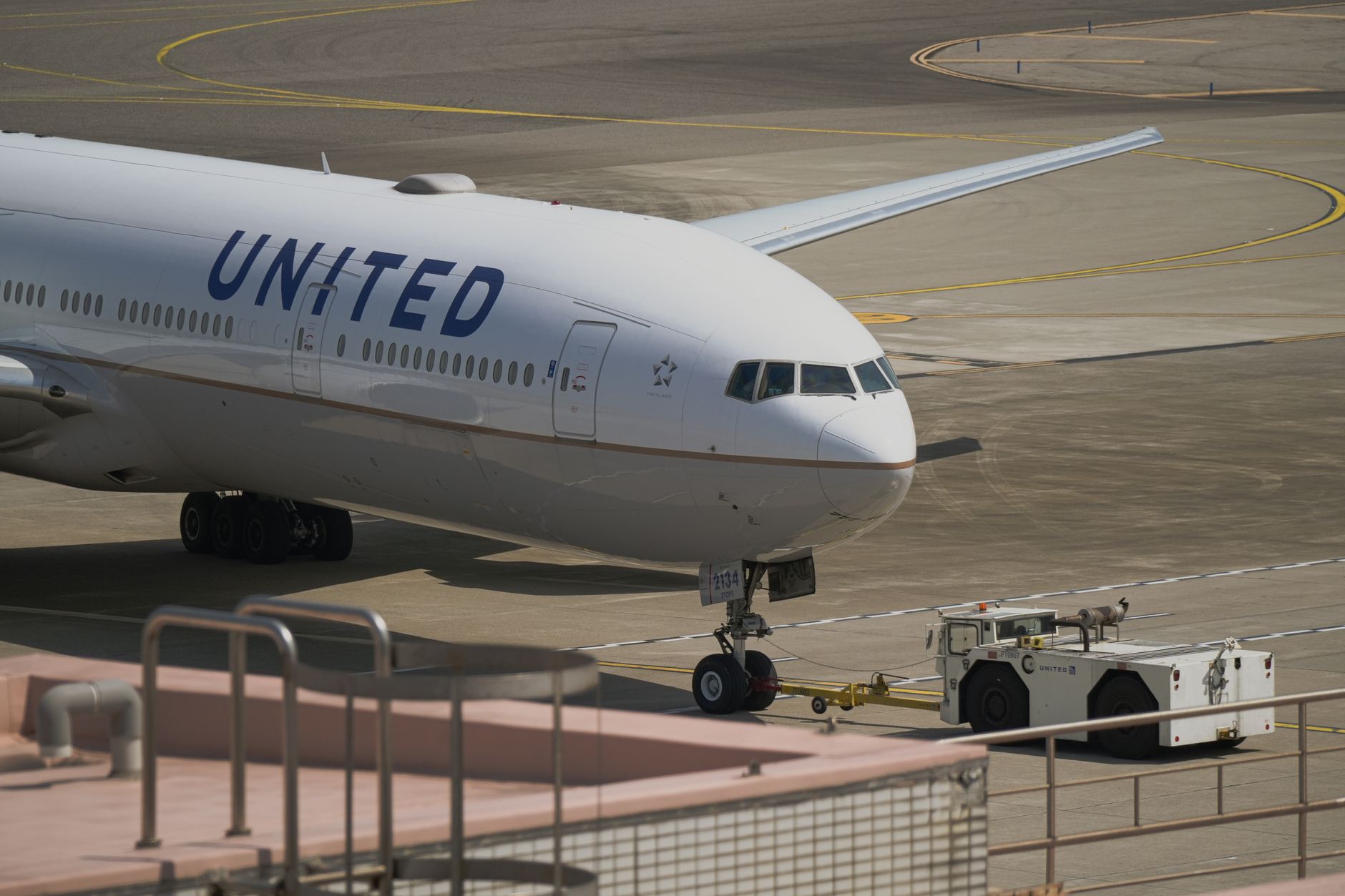
This refined growth blueprint means United is actively keeping its doors open to purchase premium airport slots, boarding gates, and other critical physical assets if macroeconomic pressures affect weaker industry players. A significant surge in global jet fuel prices is currently functioning as an industry stress test, creating a widening performance gap between major carriers with high brand attachment and budget airlines competing solely on ticket pricing. Rather than chasing complex corporate acquisitions, United is beautifully leveraging its strong operating profit to target high-value infrastructure additions that directly expand its network footprint.
Furthermore, consumer demand across United’s network remains phenomenally robust, instilling immense corporate confidence. Although rising operational expenses have pushed ticket costs upward across the aviation sector, the airline anticipates that steady passenger loyalty and high-quality premium offerings will fully recover its fuel-related overhead by the end of the year. By prioritizing strategic asset purchases over messy mergers, United Airlines is successfully paving a smooth, dependable path toward operational expansion, ensuring it continues to deliver the elite reliability, modern technology, and premium travel experiences that modern flyers deeply value.