
- Defending Electrification Deadlines: Seven prominent EU nations are actively resisting attempts to weaken the landmark 2035 zero-emission mandate for newly registered passenger vehicles.
- Investment Stability Assurances: Maintaining the original regulatory timeline provides vital predictability for automotive manufacturers who have already directed immense capital into battery-electric technologies.
- Energy Security Cohesion: Electrification is being heavily prioritized as a strategic tool to strengthen European energy independence and buffer local economies against unpredictable oil markets.
- Infrastructure and Accessibility Focus: The coalition calls for robust European infrastructure expansion, consumer demand incentives, and a well-supported second-hand market to make clean transport accessible to all
The European automotive and environmental sectors are experiencing a powerful wave of momentum as a prominent coalition of European Union member states unites to safeguard the future of sustainable mobility. A group of seven forward-thinking nations, including France, Spain, Denmark, Luxembourg, the Netherlands, Portugal, and Sweden, has formally urged the European Commission to remain firmly committed to its ambitious automotive decarbonization goals. By advocating for the preservation of the planned 2035 phase-out of new internal combustion engine passenger vehicles, these countries are championing a stable regulatory framework that fosters immense industrial innovation and protects billions of euros in clean-tech investments.
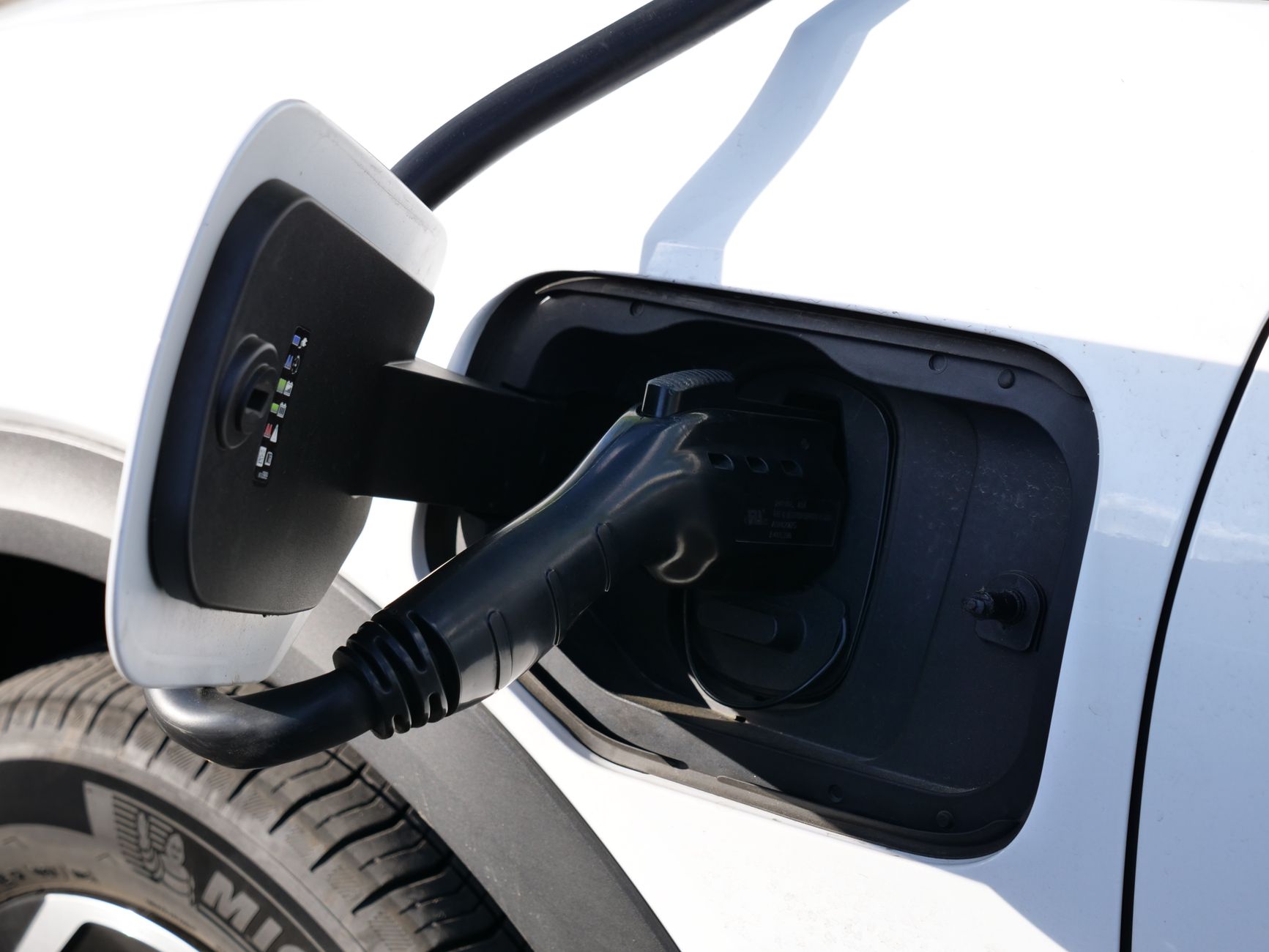
This unified diplomatic approach serves as a highly positive signal for the international green energy supply chain, instilling great confidence in automakers who have already oriented their research and manufacturing goals toward electrification. The coalition emphasizes that maintaining clear, predictable carbon reduction targets is not only a triumph for climate policy, but a vital mechanism for reinforcing continental energy security and reducing long-term dependence on volatile global fossil fuels. Rather than viewing the transition as a hurdle, these nations frame it as a strategic avenue to accelerate the deployment of public charging infrastructure and create thriving secondary markets for electric vehicles.
To ensure the transition remains inclusive, supportive, and economically rewarding, the seven signatories are advocating for targeted demand incentives to help households and businesses smoothly adopt zero-emission fleets. Their collaborative vision extends to bolstering linked regional industries, such as European green steel production, to cultivate an entirely self-reliant, sustainable manufacturing ecosystem. By resisting calls to dilute these environmental benchmarks ahead of an upcoming regulatory review, this progressive alliance highlights a bright and dependable path forward for the global transport sector, ensuring that clean, modern transit options remain the gold standard for future generations.