
- Strategic Family Housing: Modern tiny home neighborhoods are successfully shifting away from single-resident designs to accommodate families looking for stable, long-term residential spaces.
- Financial Flexibility Benefits: Downsizing to a professionally managed micro-property allows households to drastically cut monthly utility overhead, accelerating personal savings goals.
- Intentional Neighborhood Layouts: Successful communities place a heavy emphasis on combining private, full-amenity living quarters with large, shared recreational zones to foster safety and security.
- Eco-Friendly Community Planning: Municipalities are increasingly supporting these master-planned pocket neighborhoods as an efficient, green pathway to maximize local land use
The tiny home movement continues to capture the imagination of modern homeowners, shifting from a niche design trend into a highly practical lifestyle choice for families across the nation. Micro-housing developments are rapidly emerging as structured, intentional neighborhoods that offer an innovative solution to the changing demands of today’s housing market. By prioritizing smart architectural layouts, shared outdoor spaces, and integrated community amenities, these forward-thinking developments demonstrate how reducing your physical footprint can significantly enhance your daily peace of mind.
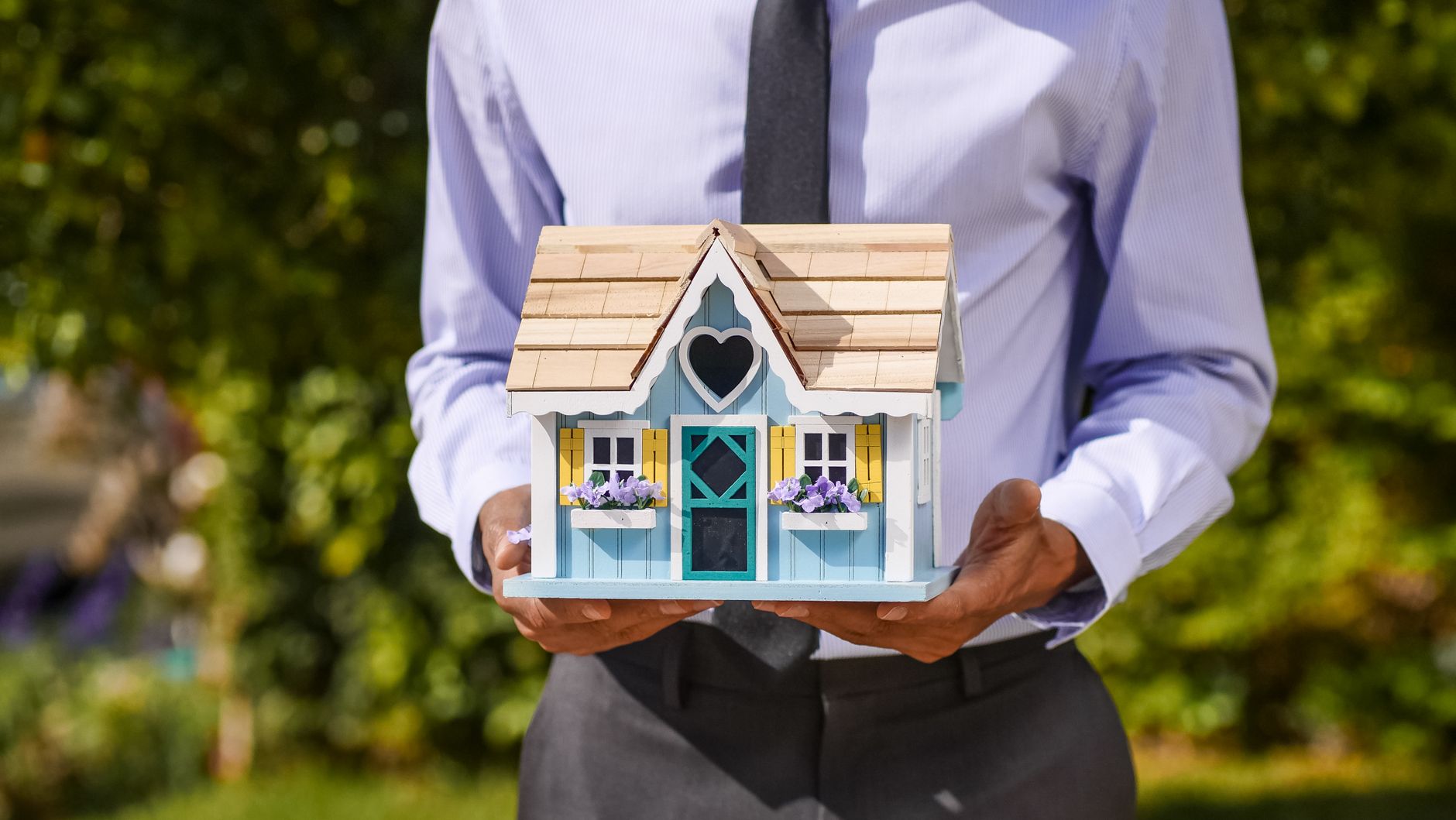
A primary catalyst for this growing neighborhood shift is the desire to balance financial freedom with a highly connected way of living. Managed tiny home communities provide a welcoming, accessible path to independent homeownership, effectively bridging the gap between private residential comfort and vibrant social engagement. Many of these specialized developments are crafted with a strong focus on family-friendly stability, creating secure environments where children can play and neighbors can naturally collaborate on local projects.
Beyond the obvious advantages of affordability and reduced maintenance, the physical design of modern micro-communities promotes an active, outdoor-centric lifestyle. Built with complete utility hookups, efficient energy systems, and welcoming common areas, these neighborhoods offer a master-planned approach to simpler living. As more families actively seek out alternative, sustainable, and cost-effective ways to establish deep roots, the widespread success of these close-knit properties proves that small footprint living can build an incredibly positive, rewarding future for American families.