
- Explosive Search Surge: A new LiveCasinos report notes online interest in locating prime stargazing destinations has increased by over 5,000% recently, signaling a major cultural trend toward nature-based night entertainment.
- The Bortle Scale Benchmark: Ideal cosmic visibility relies heavily on this nine-level metric, with levels one through three providing the crucial darkness needed to view deep-space phenomena.
- Northern States Dominate: South Dakota, Wyoming, and Alaska provide the most reliable combination of clear weather and low light pollution for exceptional celestial views.
- Localized Pockets of Clarity: While states like Rhode Island struggle with urban light glow, specific rural counties in Texas offer some of the highest-rated individual stargazing spots in the nation.
Interest in the night sky is reaching historic heights, with American searches for the best local stargazing spots skyrocketing by more than 5,000% over the past month. This massive trend highlights a major shift toward immersive, location-based experiences that transform simple celestial observation into an unforgettable evening activity. To guide avid astronomers and casual weekend travelers alike, data experts analyzed light pollution via the Bortle scale alongside annual regional cloud cover to determine the definitive top ten states for watching the stars.
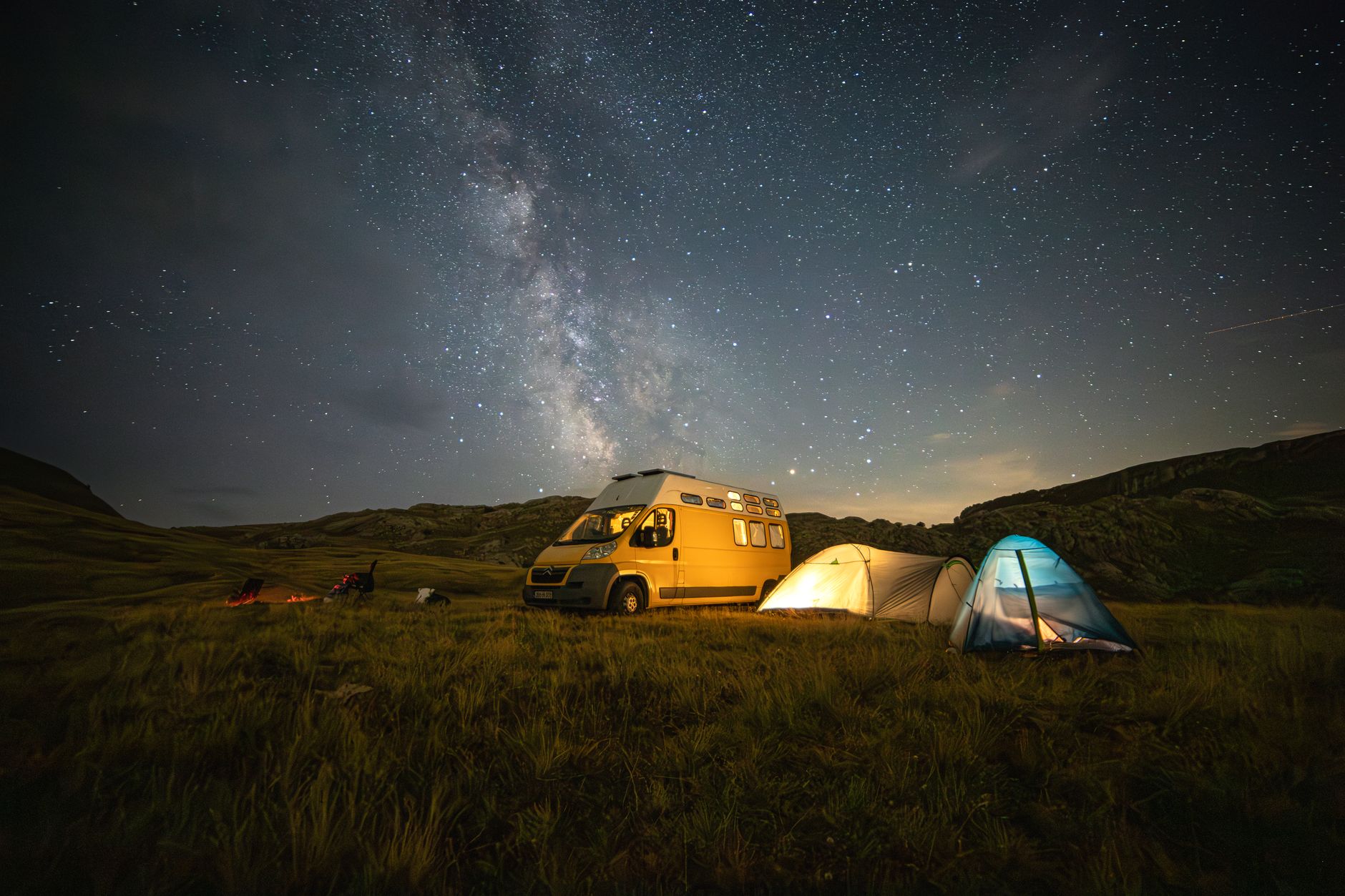
The findings reveal that the vast, open landscapes of northern states offer the absolute best conditions for pristine cosmic viewing. South Dakota claims the number one position with an impressive star visibility score of 7.79 out of 10. Nearly ten percent of the state boasts an ideal Class 1 dark sky classification, and Sanborn County leads the region with maximum atmospheric clarity. Wyoming follows closely in second place, heavily aided by statewide light pollution laws that preserve its stunning views of the Milky Way, particularly around Hot Springs.
Alaska captures the third position, offering pristine conditions and a high probability of viewing the breathtaking aurora borealis between August and April. For those seeking the single highest-rated specific location, Texas holds a surprise crown. Despite light pollution in its massive metro areas, remote rural counties like Cochran County achieved the highest overall score in the country due to perfectly dark, cloudless skies. On the opposite end of the spectrum, densely populated Rhode Island ranked as the most challenging spot for stargazing, missing out on top-tier dark sky zones entirely.
Source: Live Casinos

The Top 10 US states for stargazing
| Rank | State | Excellent dark sky(Bortle scale 1) | Dark sky(Bortle scale 2) | Rural sky(Bortle scale 3) | Average cloud cover per year | Star visibility score /10 |
|---|---|---|---|---|---|---|
| 1. | South Dakota | 9.42% | 15.14% | 28.1% | 11.65% | 7.79 |
| 2. | Wyoming | 5.15% | 12.6% | 28.64% | 11.4% | 7.65 |
| 3. | Alaska | 6.23% | 8.17% | 17.34% | 11.3% | 7.64 |
| 4. | Montana | 7.95% | 11.23% | 30% | 12.3% | 7.51 |
| 5. | Arizona | 2.7% | 6.25% | 17.47% | 6.7% | 7.37 |
| 6. | Nevada | 5.74% | 11.29% | 27.52% | 8.95% | 7.34 |
| 7. | North Dakota | 3.36% | 5.66% | 13.33% | 12.4% | 7.27 |
| 8.= | New Mexico | 2.2% | 5% | 23.29% | 7.87% | 7.10 |
| 9.= | Nebraska | 5.12% | 9.52% | 25.62% | 11.81% | 7.10 |
| 10. | Oregon | 4.13% | 9.92% | 24.59% | 12.31% | 6.97 |