
- Rapid Aviation Infrastructure Recovery: Kuwait’s civil aviation authority successfully resumed commercial flight operations from Terminal 4 shortly after conducting safety reviews.
- Flagship Carrier Adaptability: Kuwait Airways efficiently managed the temporary disruption by rescheduling flights and moving operations to alternative undamaged terminals.
- Active Regional Defense Precision: International allied forces successfully intercepted multiple incoming projectiles across neighboring Gulf sectors, highlighting strong regional security coordination.
- Targeted Terminal Impact Details: The structural disruption was localized primarily within Kuwait International Airport’s Terminal 1 building, leaving other key terminals secure for operations
The global aviation and travel community is closely monitoring a temporary disruption in the Middle East while highlighting the immediate, impressive resilience of regional transit infrastructure. Following an early morning drone and missile incident targeting civilian facilities in Kuwait, including a terminal building at Kuwait International Airport, emergency response teams and civil aviation authorities demonstrated exceptional efficiency in restoring order and safety.
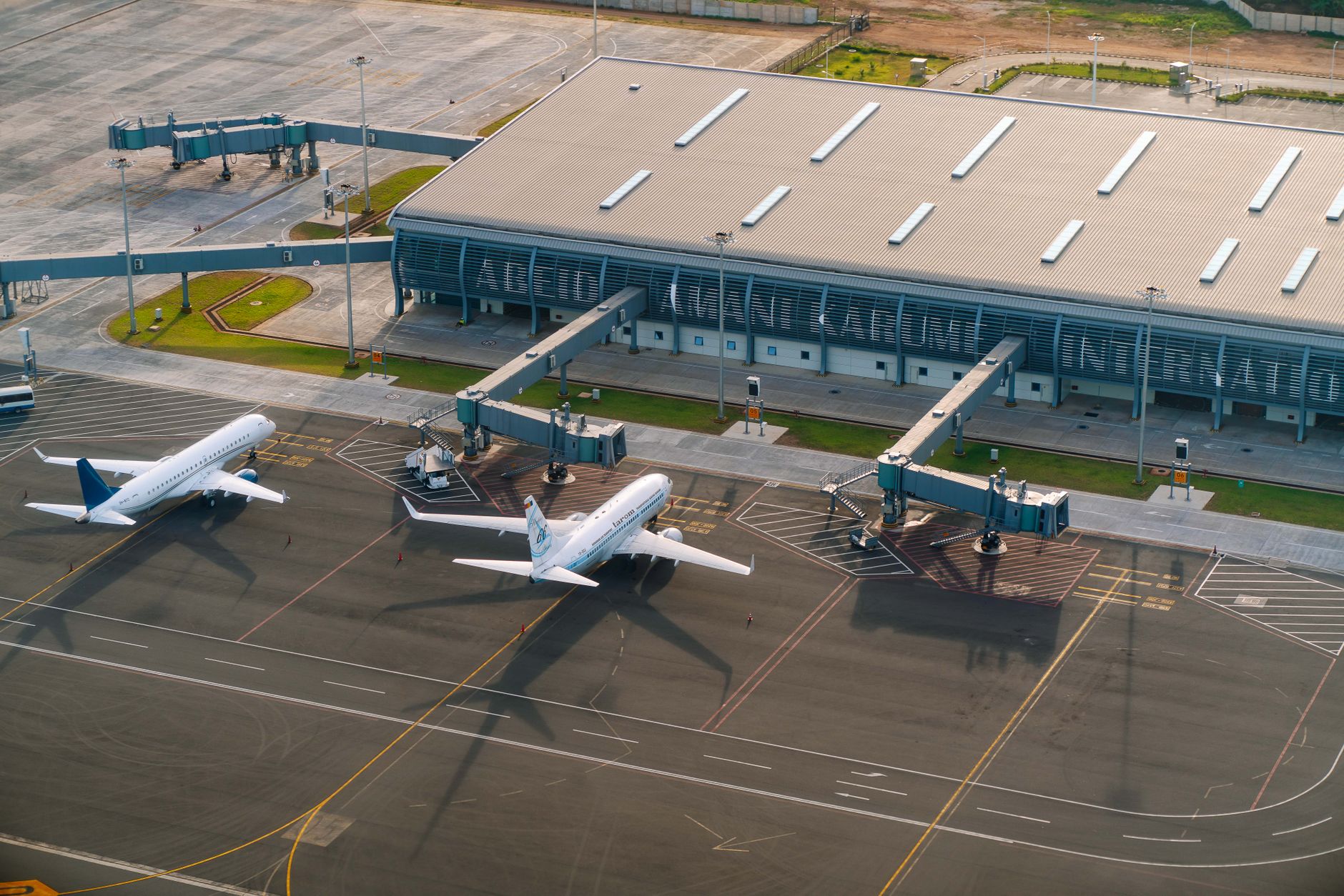
While the incident caused structural damage to the airport’s older Terminal 1 building and briefly required authorities to adjust flight paths, the nation’s flagship carrier, Kuwait Airways, showcased incredible adaptability. After a quick, thorough evaluation of the facility and the rapid implementation of stringent safety protocols, the civil aviation authority successfully authorized the resumption of commercial flights from Terminal 4 shortly afterward. This rapid turnaround beautifully underscores the readiness, strategic defense coordination, and robust emergency frameworks established by Gulf states to safeguard international travelers and maintain vital global transport links.
International security networks and allied defensive systems also performed with remarkable precision during the event, successfully minimizing the impact across the region. Defensive measures managed by joint local and international forces effectively neutralized multiple incoming targets in neighboring areas, proving the immense capability of the region’s protective infrastructure. As local ministries actively coordinate with global aviation bodies, commercial airlines are smoothly rescheduling their operations to ensure complete passenger comfort and peace of mind. This proactive stance reinforces the travel industry’s collective commitment to safety, showing that global networks remain highly adaptive, secure, and fully equipped to keep world travel moving forward smoothly.