
- Rise of the Complexity Ceiling: A recent Campspot study revealed that travelers are moving away from logistically demanding, flight-heavy vacations, with 79 percent of respondents actively reducing air travel in 2026 to avoid the stress and costs associated with modern air transit.
- The Radius Run Trend: Focusing on proximity, nearly 70 percent of camping trips are now being planned within a six-hour drive, prioritizing easily accessible regional getaways over distant, high-effort locations.
- Resourceful Travel Mindset: A massive 95 percent of travelers are prioritizing the use of gear they already own, embracing a lifestyle where owning fewer material goods but taking more frequent, simple trips feels increasingly rewarding.
- Smart Budget Alternatives: Camping is resonating as a practical solution, offering an average nightly rate of approximately $101, which provides families with a predictable, high-value alternative to the unpredictable expenses of traditional hotel-based travel.
The landscape of American summer vacationing is undergoing a significant transformation this year as travelers actively embrace “The Dust-Off Summer,” a trend defined by prioritizing simplicity, flexibility, and value over the complexities of high-effort, long-distance travel. According to the latest trend report from the outdoor booking platform Campspot, a substantial 47 percent of Americans are rethinking their vacation strategies to better navigate travel uncertainty and rising costs. Rather than enduring the logistical demands of flight-heavy itineraries, the majority of travelers are opting for lower-pressure, drive-to getaways that allow them to make the most of gear they already own, such as stored RVs, tents, or family vehicles.
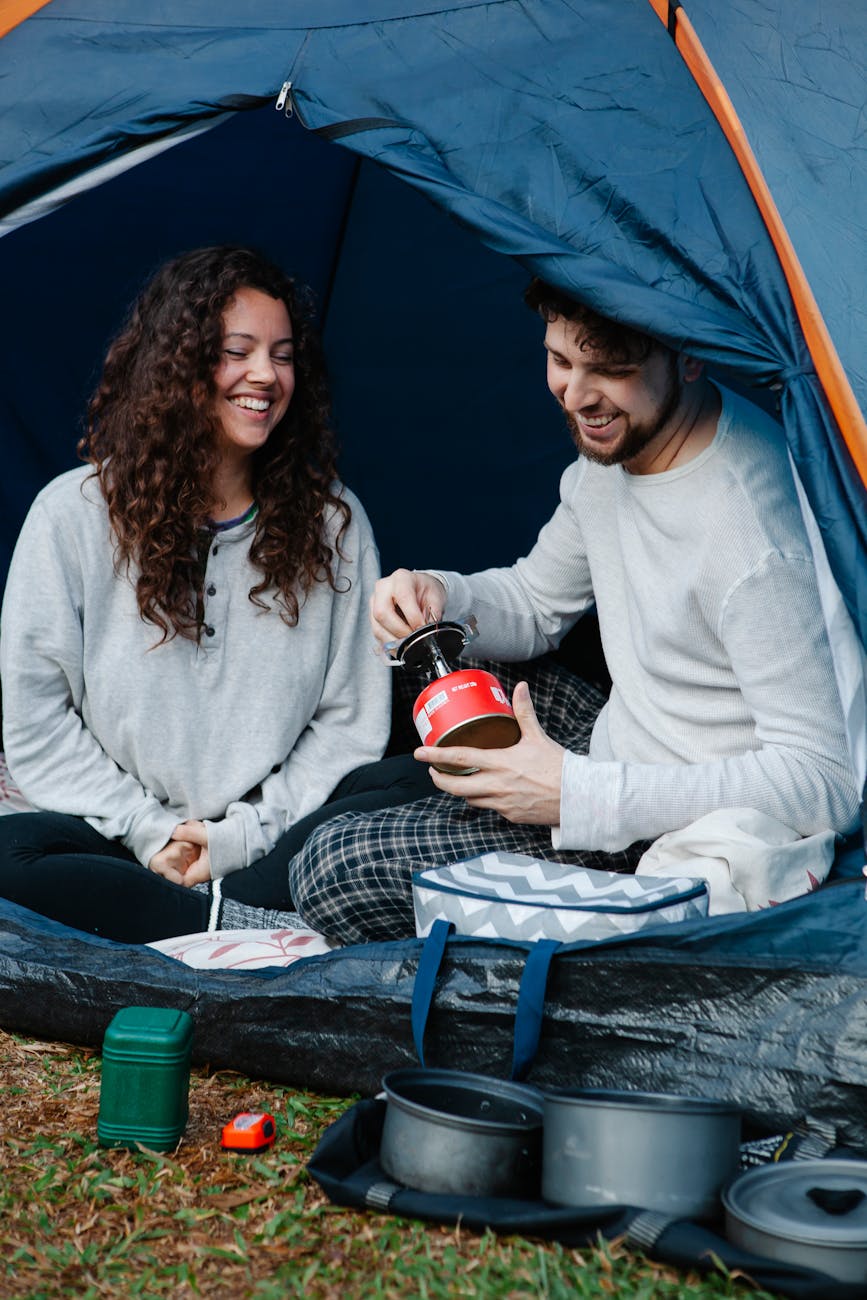
This behavioral shift reflects a broader consumer desire to reclaim the restorative joy of a vacation without the added stress of rigid planning. By choosing nearby camping destinations, travelers are finding that they can enjoy predictable costs and greater spontaneity. The data highlights a strong preference for “The Radius Run,” with many families keeping their travel plans within a comfortable four-to-six-hour drive from home.
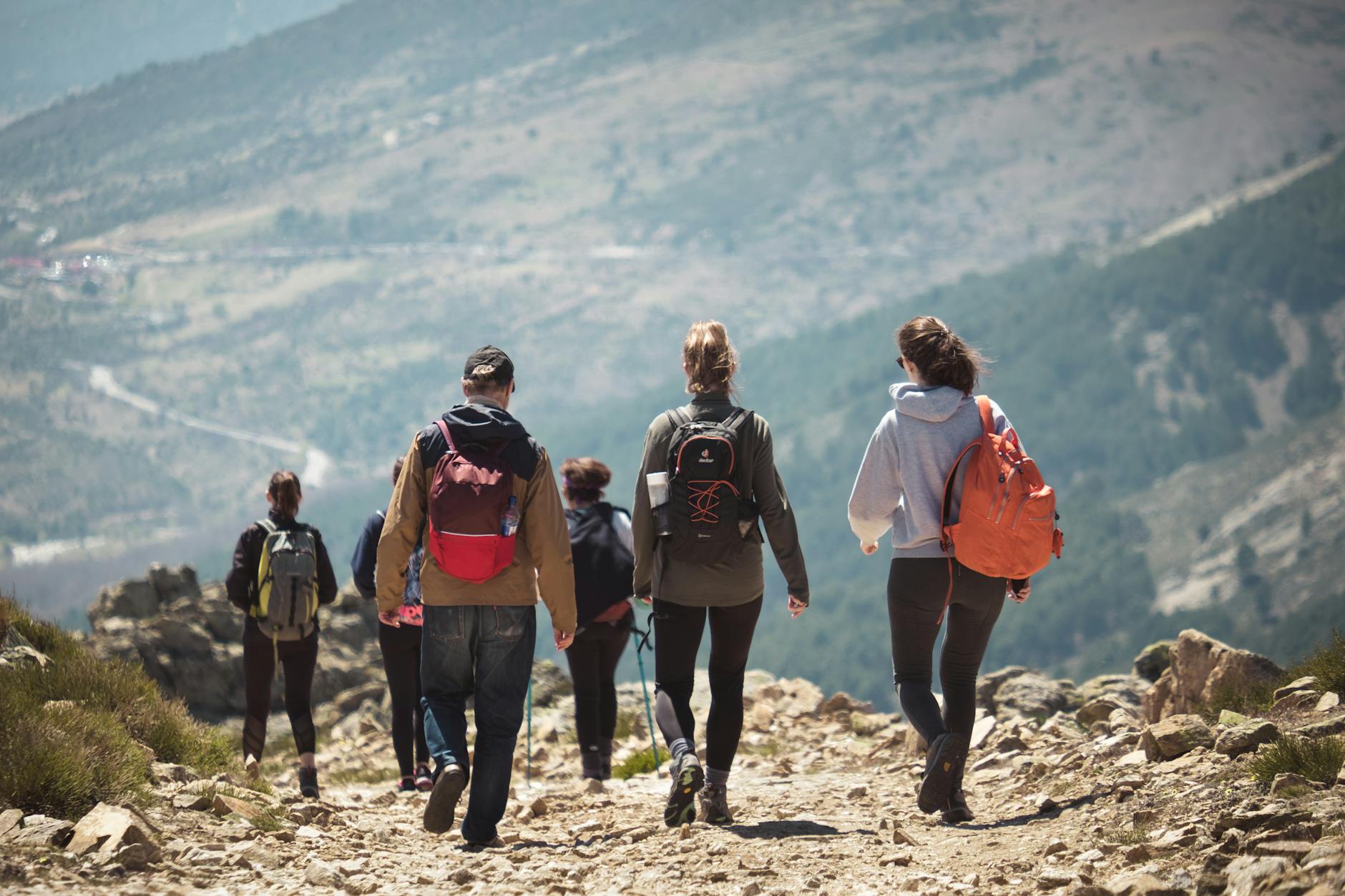
Furthermore, younger generations are leading the way in sustainable resourcefulness, with a majority of Gen Z and Millennial travelers choosing to borrow, rent, or buy gear secondhand to facilitate their adventures. Ultimately, this movement toward intentional, accessible travel demonstrates that the most meaningful summer memories are often found closer to home, focusing on proximity and ease rather than the prestige of a destination.