
- The travel concept of sight-doing emphasizes spontaneous, active, and personally discovered experiences over rigidly planned sightseeing itineraries.
- A vast majority of modern travelers prefer leaving unscheduled time for organic discoveries and stepping past comfort zones.
- Human-powered, active transport options like multi-day cycling, alpine hiking, and river rafting are becoming primary methods for exploring domestic and international landscapes.
- Sustainable and community-focused ecotourism is rising in popularity, with a focus on carbon-neutral operations that leave a positive local footprint
The 2026 Global Travel Trends Report reveals a significant shift in consumer behavior, as travelers increasingly reject rigid, over-scheduled itineraries in favor of “site-doing.” This emerging concept prioritizes spontaneous, participatory, and discovered experiences over traditional, highly curated sightseeing. According to the report, 87 percent of modern travelers deliberately leave room in their schedules for unplanned exploration, while 76 percent, spearheaded by Gen Z and Millennial demographics, actively seek opportunities to step outside their comfort zones to create unique narratives.
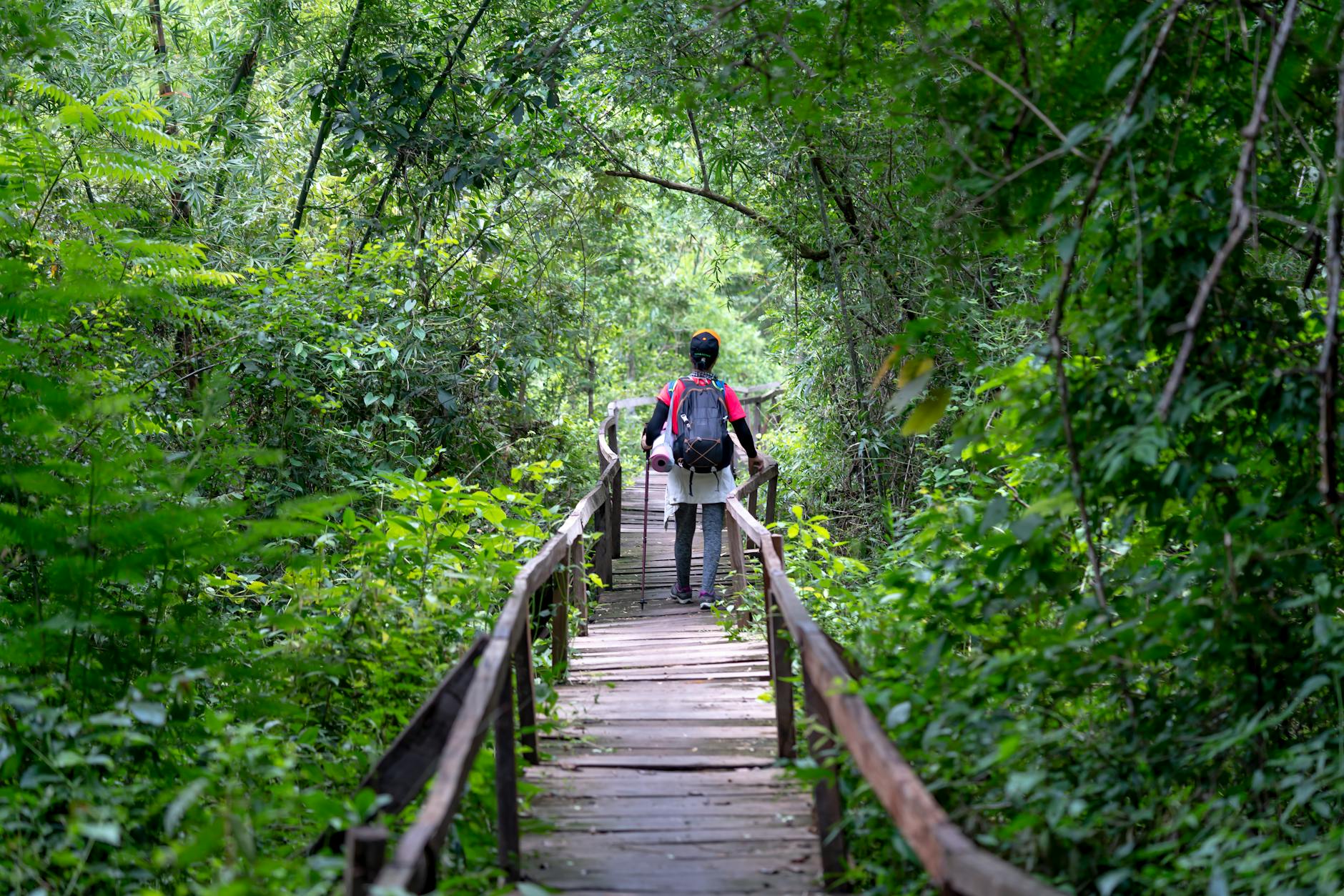
To satisfy this growing demand for immersion and authentic personal storytelling, the industry is highlighting nine distinct experiential travel options. For those seeking rugged, history-driven activities, operators like True Ranch Collection provide authentic cowboy culture across Arizona, Montana, and Wyoming, while Ride & Seek offers historical bicycle tours through Europe. Wildlife and ecological immersion are prominent features of properties like Scalesia Lodge in the Galápagos and Gondwana Ecotours, which specializes in carbon-neutral, community-led tourism in Alaska and Tanzania.
Active and slow-paced exploration formats are also gaining traction. Boat Bike Tours combines premium river barging with cycling through the Netherlands, and Eurohike manages luggage logistics so walkers can independently traverse alpine trails. For human-powered expeditions, Escape Adventures guides multi-sport tours across national parks in the American West, while Flying Pig Adventures coordinates whitewater rafting on the Yellowstone River. Finally, properties like The Wilson Hotel near Yellowstone bridge the gap between high-altitude outdoor adventure and modern luxury amenities. Collectively, these trends underscore a broader movement toward travel that values local connection, physical activity, and environmental responsibility over passive consumption.