
- The Hype Gap Metric: Researchers calculated a specific score by measuring the distance between a landmark’s online popularity and its average visitor review rating.
- Social Media Influence: High-visibility spots like the Burj Khalifa and Arashiyama Bamboo Grove generate massive digital traffic, which can lead to overcrowding and a “human conveyor belt” experience.
- Dominance of U.S. Landmarks: The United States has the highest concentration of overhyped attractions in the top ten, with landmarks in Los Angeles and New York City facing significant criticism for being too commercial.
- Authenticity vs. Photography: Industry analysts suggest that many sites are becoming products for content creation rather than spaces for meditation or genuine discovery.
A new travel study for May 2026 has revealed a fascinating look at the “Hype Gap” affecting some of the world’s most iconic landmarks. The report by JB.com analyzes the difference between a destination’s massive social media presence and the actual satisfaction levels of the people who visit them. By comparing Instagram hashtags and Google searches against real-world ratings from TripAdvisor and Google Reviews, the study identifies where online buzz may be overshadowing the authentic visitor experience.
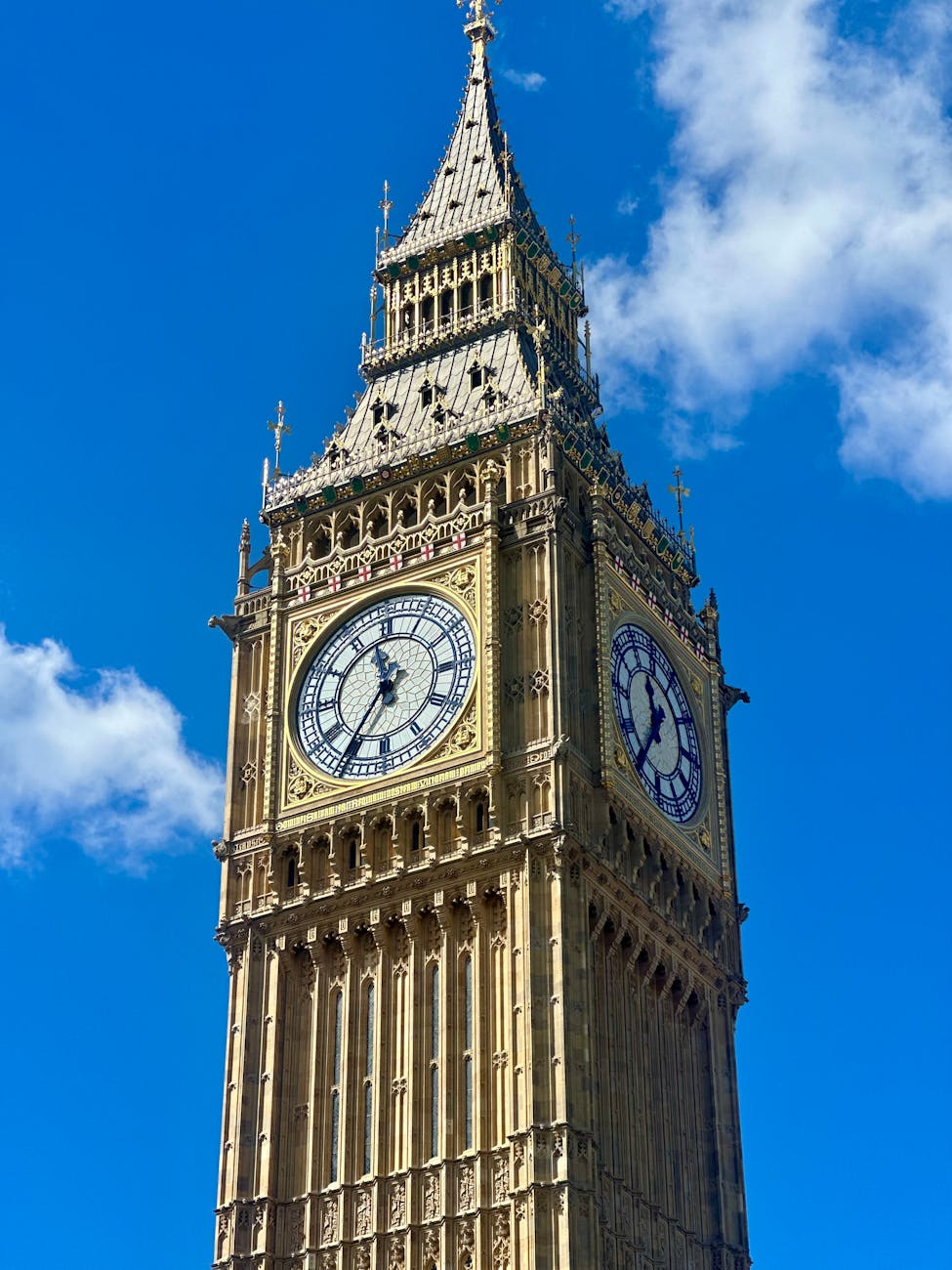
London’s Big Ben currently holds the title of the world’s most overrated attraction. Despite attracting over 26.8 million monthly online searches, many visitors find the physical experience underwhelming compared to its polished digital image, citing large crowds and a lack of complexity. Similarly, the Burj Khalifa in Dubai leads the world in Instagram popularity but often falls short in reviews due to high ticket prices and long wait times for its famous observation decks.
The United States features prominently in the research, claiming four of the top ten spots for overhyped sights, including the Hollywood Walk of Fame and Times Square. These locations often trade on their historical glamour or cinematic reputation, yet visitors frequently describe them as far more commercialized and crowded than expected. Interestingly, natural wonders like Iceland’s Blue Lagoon and Japan’s Arashiyama Bamboo Grove also face scrutiny. While they photograph beautifully as serene escapes, the reality for many travelers involves navigating narrow, packed paths alongside hundreds of other tourists. This data serves as an encouraging reminder for modern explorers to look beyond the viral trends and seek out destinations that offer genuine value and authentic connection.
| Destination | Hype Score | Review Average | Gap |
| Big Ben, London | 4.9 | 3.8 | 1.1 |
| Burj Khalifa, Dubai | 5.0 | 4.2 | 0.9 |
| The Blue Lagoon | 4.3 | 3.8 | 0.6 |
| Hollywood Walk of Fame, Los Angeles | 4.2 | 3.7 | 0.5 |
| Arashiyama Bamboo Grove, Kyoto | 4.0 | 3.7 | 0.3 |
| Venice Beach, Los Angeles | 4.6 | 4.4 | 0.3 |
| Eiffel Tower, Paris | 4.9 | 4.7 | 0.2 |
| Times Square, New York City | 4.8 | 4.6 | 0.2 |
| The Louvre, Paris | 4.5 | 4.5 | 0.1 |
| Empire State Building, NY | 4.7 | 4.7 | 0.1 |