
- Proactive State Responses: Alabama and several other states are implementing immediate strategies to mitigate the impact of rising fuel costs on local tourism and transportation.
- Resilient Travel Demand: Despite shifts in flight availability, the desire for domestic exploration remains strong as travelers pivot toward regional and road-based adventures.
- Strategic Infrastructure Investment: Government agencies are prioritizing the modernization of transit systems to ensure long-term energy efficiency and travel accessibility.
- Emphasis on Sustainable Tourism: The current economic climate is accelerating the adoption of eco-friendly travel practices and the promotion of destination-focused experiences.
The United States travel landscape is currently undergoing a period of strategic adaptation as states like Alabama, New Mexico, and Tennessee respond to evolving energy and transportation trends in May 2026. While fluctuations in fuel costs and flight availability have prompted proactive measures from local governments, the focus remains on maintaining a vibrant and accessible tourism industry. This phase of adjustment is encouraging a shift toward more sustainable travel habits and local exploration, allowing travelers to discover the hidden gems within their own regions.
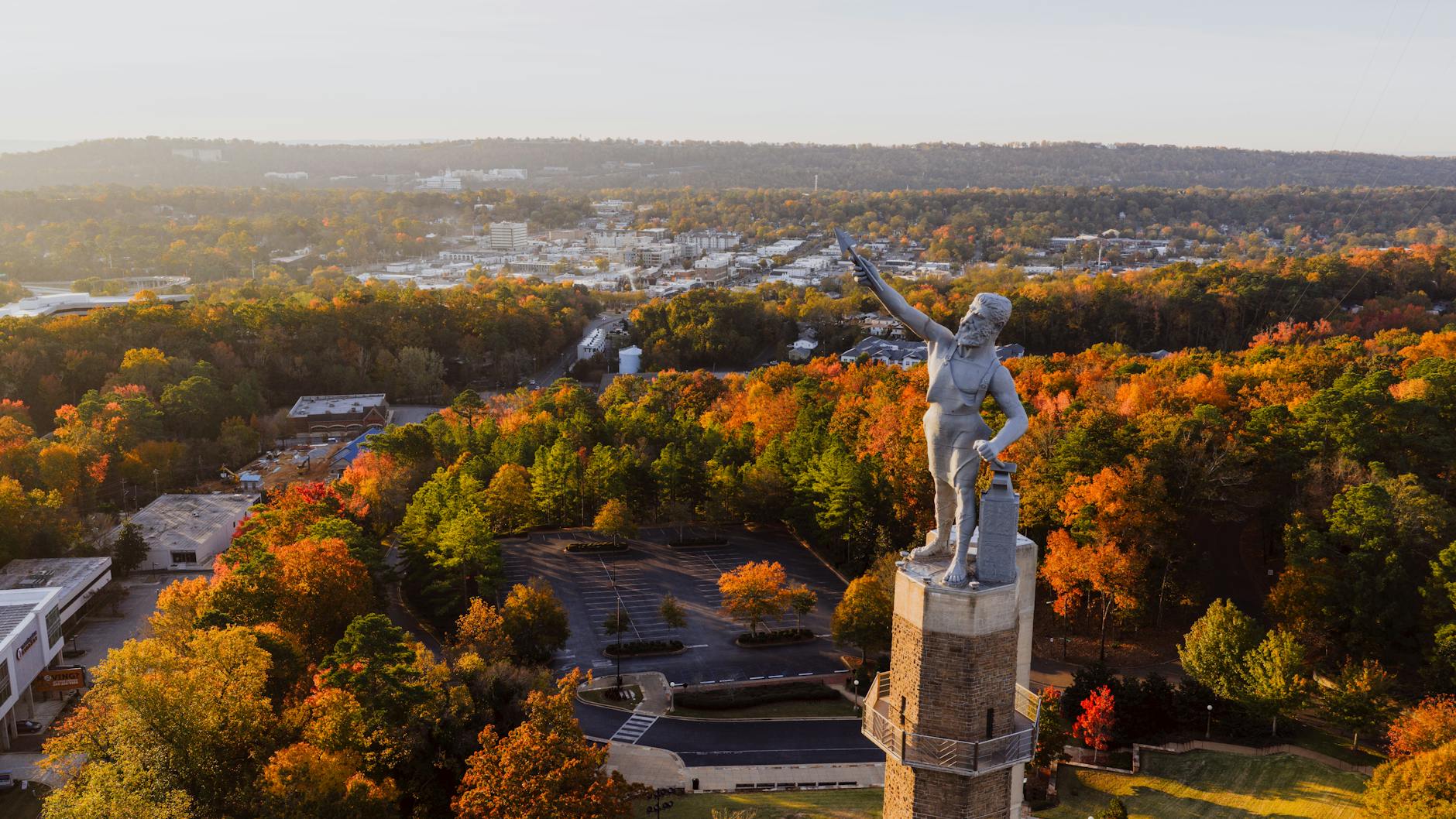
State leaders are working diligently to ensure that travel remains a seamless experience by investing in infrastructure and supporting the hospitality sector. This collaborative effort between government agencies and travel providers is fostering a resilient environment where innovation can flourish. For example, many regions are enhancing their public transit options and promoting road-trip friendly itineraries that emphasize efficiency without sacrificing the joy of discovery. This commitment to adaptability ensures that the spirit of American adventure continues to thrive regardless of external economic shifts.
As the industry navigates these changes, the outlook for 2026 remains optimistic. The emphasis on high-quality, high-value experiences is resonating with travelers who are seeking meaningful connections with the places they visit. From the scenic mountain passes of Idaho to the historic charm of Kentucky, the dedication to providing world-class hospitality remains unchanged. By embracing a flexible and forward-thinking approach, the U.S. tourism sector is building a stronger foundation that prioritizes both the traveler’s experience and long-term economic stability.