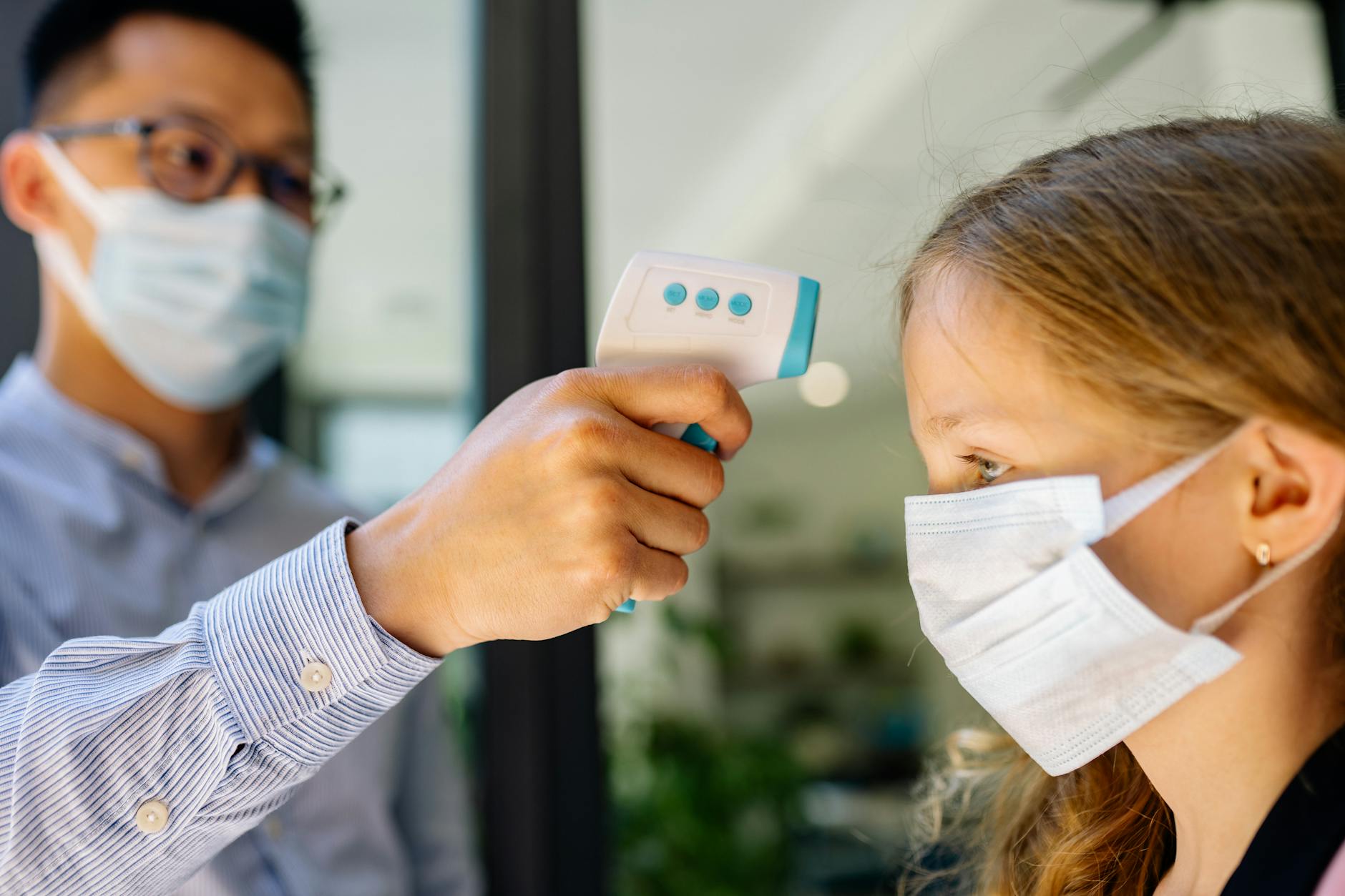
- Distinct Transmission Methods: Experts clarify that hantavirus requires very specific environmental conditions and does not share the rapid person-to-person spread characteristics of common respiratory or gastrointestinal viruses.
- Advanced Onboard Diagnostics: Modern luxury vessels are now floating centers of medical excellence, capable of performing sophisticated screenings that ensure any health concern is identified and managed immediately.
- Proactive Environmental Control: Cruise lines utilize rigorous cleaning protocols and specialized ventilation systems that are specifically designed to mitigate various types of biological risks in a maritime setting.
- Informed Traveler Safety: Increased communication between cruise lines and health organizations provides passengers with the most current guidance for enjoying remote excursions with total peace of mind
The maritime health landscape is witnessing a sophisticated evolution in how travel providers manage guest wellness, particularly as experts distinguish rare conditions like hantavirus from more common seasonal ailments. In a recent analysis by luxury travel authorities, medical professionals have highlighted that the strict safety protocols already embedded in the cruise industry provide a formidable defense against unusual health events. While hantavirus has recently appeared in global headlines, experts emphasize that its transmission methods are fundamentally different from traditional shipboard viruses, making it significantly easier to manage through existing environmental controls and standard maritime hygiene.
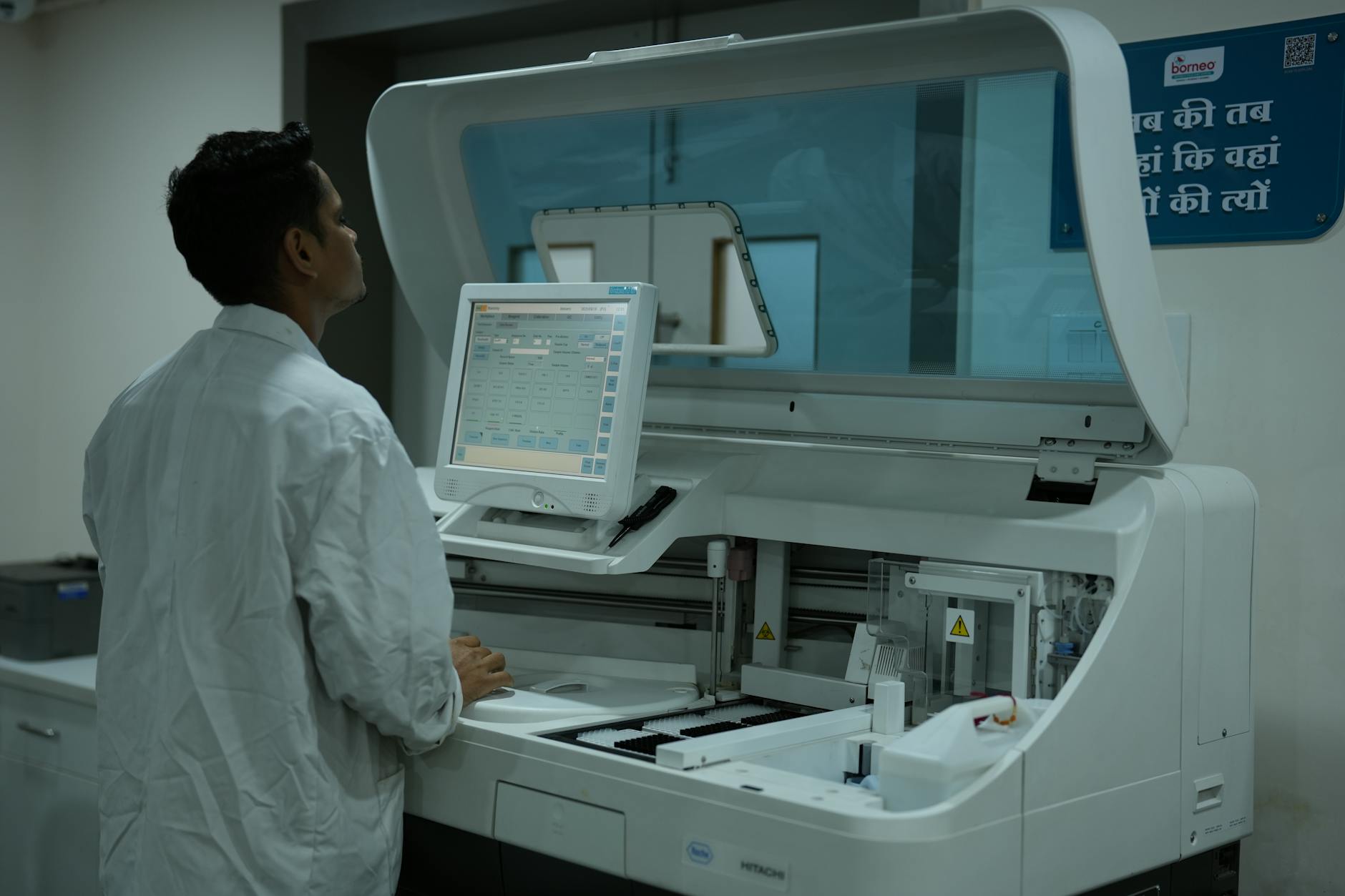
One of the most reassuring takeaways for the 2026 season is the industry’s shift toward high-tech diagnostic capabilities. Unlike previous decades, modern expedition and luxury vessels are now equipped with advanced medical centers that can identify health trends in real-time. Experts explain that hantavirus is primarily a land-based concern related to specific rural environments rather than a “cruise ship disease.” Because it does not spread easily between humans like norovirus or the flu, the risk to the average cruiser remains exceptionally low. This distinction allows travelers to focus on their itineraries with a renewed sense of confidence in the protective measures surrounding them.
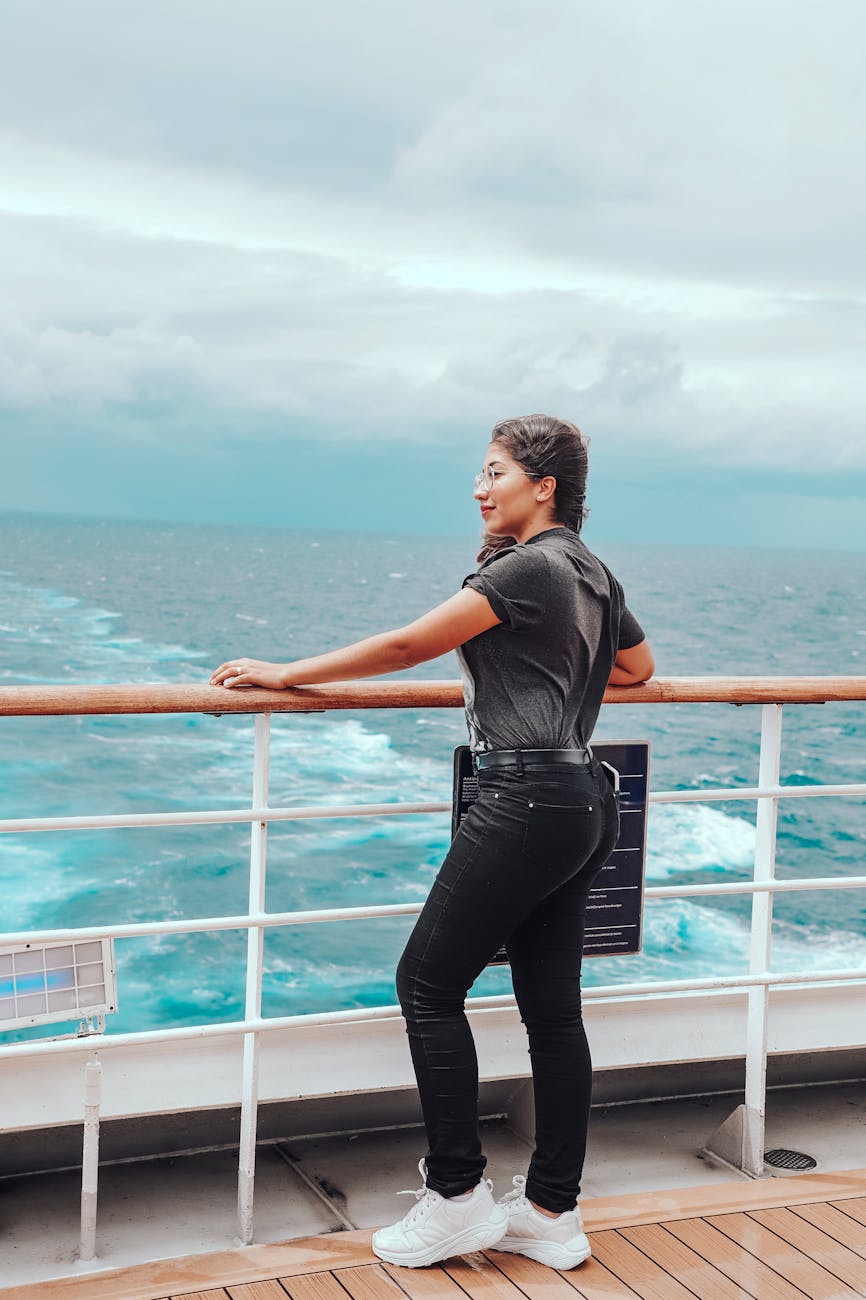
As the industry continues to prioritize transparency, travelers are finding themselves better informed than ever before. Leading cruise lines are doubling down on guest education, ensuring that those venturing into remote or wilderness areas are equipped with the best advice for a safe and healthy journey. This proactive approach to wellness, combined with the rigorous oversight of international health agencies, ensures that the spirit of exploration remains secure. The consensus among medical specialists is that the global cruising network has never been better prepared to safeguard its passengers, making 2026 a premier year for safe and spectacular seafaring adventures.