
- Low Public Risk Assessment: The WHO has officially categorized the public health risk as low, emphasizing that the virus strain typically requires close, prolonged contact for transmission.
- Origin of Exposure: Initial findings suggest the virus was introduced via a land-based excursion in South America before the cruise began, rather than originating on the ship itself.
- International Diagnostic Support: Over 2,500 testing kits have been deployed globally to ensure rapid and accurate screening for all involved parties.
- Coordinated Disembarkation Plan: Authorities are finalizing a structured and dignified process for passengers to arrive in Tenerife and begin their journeys home.
Seatrade Cruise News reports that the World Health Organization is providing reassuring updates regarding the MV Hondius, confirming that while the recent health incident is being treated with the utmost seriousness, the overall risk to the general public remains low. The vessel is currently on its way to the port of Granadilla in Tenerife, with an expected arrival this Sunday. In a heartening turn of events, the WHO Director-General noted that morale on board has improved significantly as passengers and crew receive support from a specialized medical team during the transit. This coordinated international response highlights the efficiency of modern maritime health protocols and the dedication of global health authorities to passenger well-being.
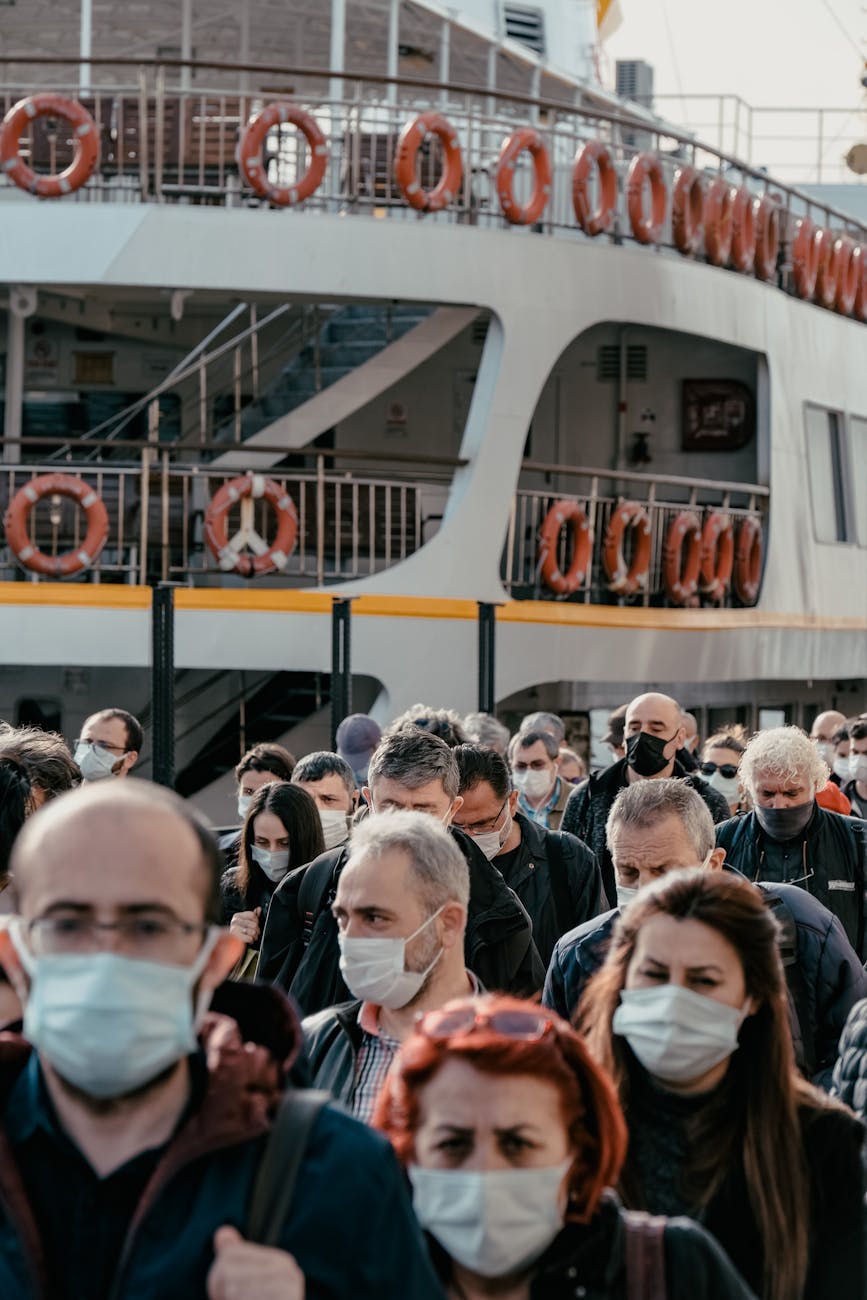
The investigation into the incident has identified the Andes hantavirus strain, with evidence suggesting the initial exposure likely occurred during a land-based birdwatching trip in South America prior to embarkation. This discovery has allowed health officials to focus their contact tracing efforts with precision. To ensure the highest standards of safety, the WHO has facilitated the distribution of thousands of diagnostic kits to laboratories across multiple countries, strengthening global testing capacity. These proactive measures ensure that every individual connected to the voyage receives proper care and that the situation is managed with scientific rigor.

As the Hondius nears the Canary Islands, the focus is on a safe and respectful disembarkation process. The WHO is working closely with the Dutch and Spanish governments to develop operational guidance for the onward travel of those on board. This level of international cooperation serves as a powerful testament to the resilience of the travel industry in 2026. By addressing challenges with transparency and expertise, health leaders are reinforcing the safety of global maritime routes, allowing travelers to maintain confidence in their future exploration of the world’s most remote and beautiful destinations.