
- Small Modular Reactors could allow cruise ships to operate for several years without the need for traditional bunkering or refueling.
- Nuclear power enables zero-emission operations in port and remote regions, serving as a self-contained microgrid for energy-heavy guest services.
- Shifting deep-seated public perceptions remains a primary hurdle, requiring transparent communication about civilian nuclear safety.
- Establishing an international regulatory framework is essential to align maritime and nuclear safety, liability, and waste management standards
The cruise industry is actively exploring nuclear energy as a potential long-term solution for achieving a sustainable, net-zero future. According to experts from Lloyd’s Register, the conversation has transitioned from whether nuclear power is viable to how it can be safely and transparently integrated into commercial shipping. Small Modular Reactors (SMRs) are a central focus of this shift, offering high energy density that allows vessels to operate for years without refueling. This technology could transform cruise ships into self-contained microgrids, enabling them to run all “hotel” services—such as pools, galleys, and climate control—with zero emissions at the point of use, even in remote or environmentally sensitive regions.
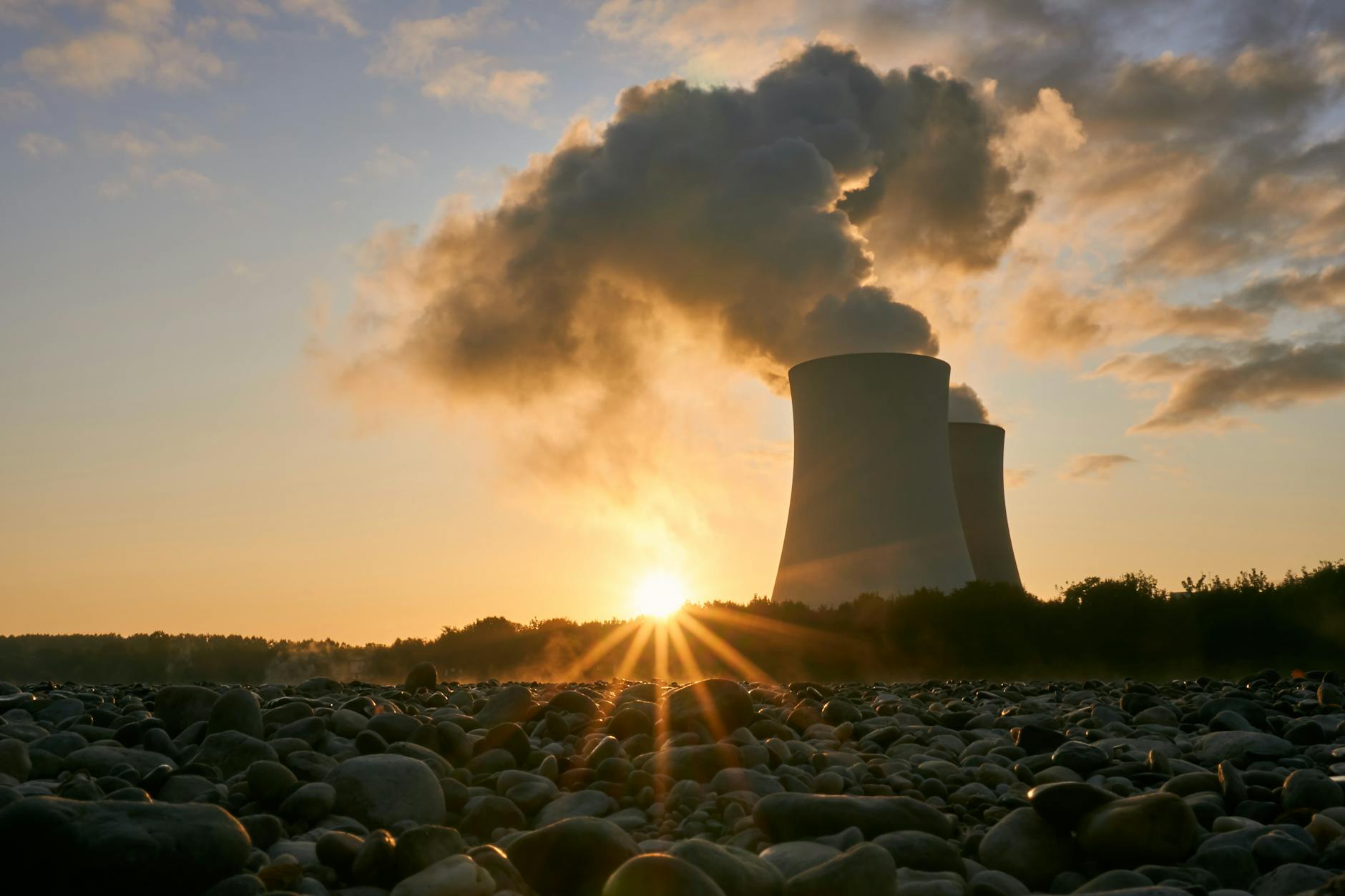
While the technical potential is significant, the industry faces substantial challenges regarding public perception and international regulation. Public attitudes remain influenced by historical events, necessitating clear and fact-based engagement to build trust among passengers. Furthermore, a comprehensive global framework is required to harmonize maritime and nuclear safety standards, covering everything from waste management to crew training. Experts suggest that while early demonstrators may emerge in other shipping segments by the end of this decade, broader adoption in the cruise sector would require a coordinated effort between regulators, shipbuilders, and operators to ensure both safety and commercial viability.
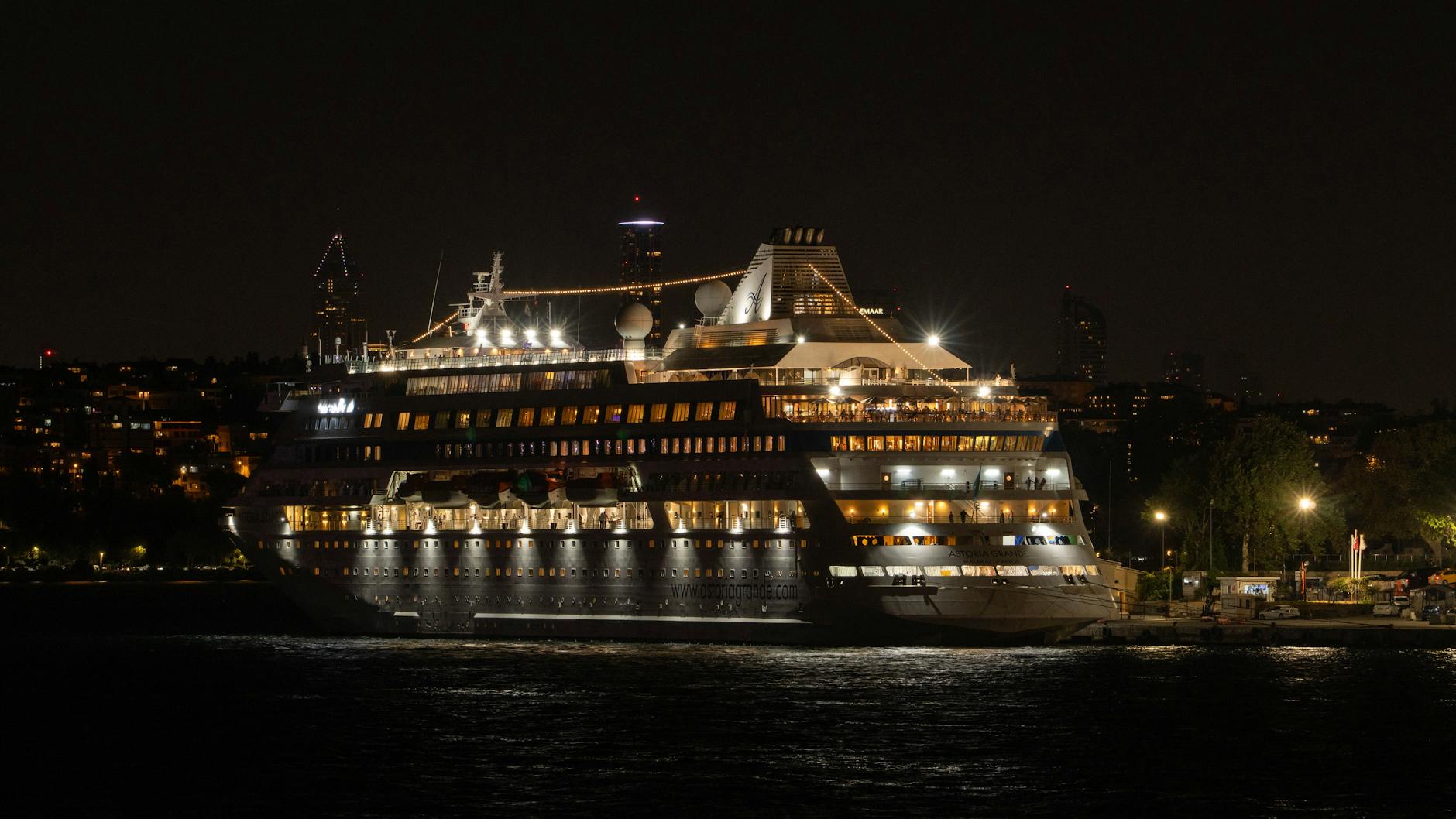
Despite these hurdles, the high energy demands of modern “floating hotels” make nuclear power a compelling option. Beyond propulsion, the removal of large fuel tanks could allow for more efficient internal layouts and machinery space. As the industry confronts the scale of the energy transition, nuclear joins methanol, hydrogen, and LNG as a credible pathway toward decarbonization. Early engagement in training frameworks and certification pathways is already underway, positioning the maritime sector to potentially scale these advanced technologies over the next ten to twenty years.