
From history-making space travel to easier access to our favorite landscapes, here is your wholesome roundup for April 8, 2026.
Space History: The Moon’s Far Side and a Heartfelt Tribute
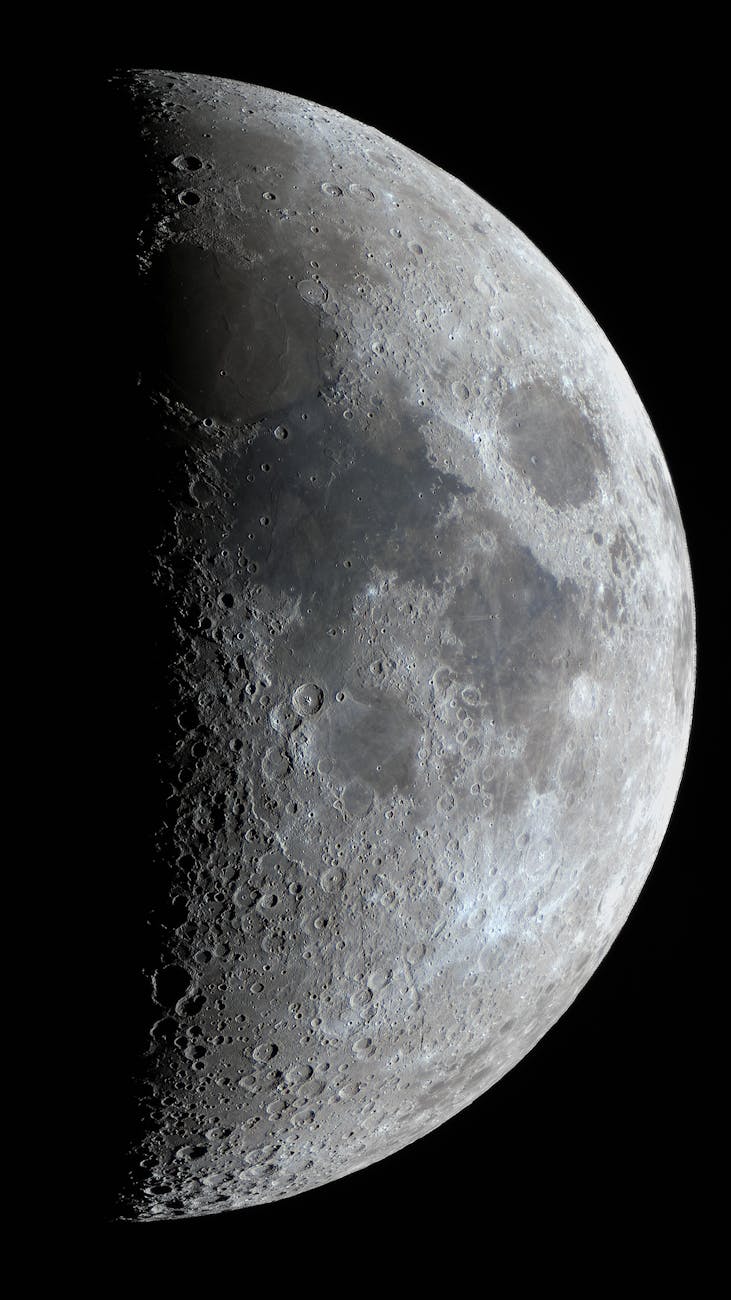
The Artemis II mission made global headlines this morning. The crew, including astronauts Christina Koch and Jeremy Hansen, has officially broken the record for the farthest distance traveled from Earth, a record previously held by the Apollo 13 crew since 1970. In a deeply touching gesture, the crew proposed naming a bright, previously unnamed lunar crater on the moon’s far side “Carroll”, in honor of Commander Reid Wiseman’s late wife. As they swing around the moon and head back for a splashdown on April 10, it is a reminder of the human spirit and connection that accompanies our greatest explorations.
Cruise Industry: A “Chef’s Studio” and Culinary Renewals
The cruise world is buzzing with positive news for culinary enthusiasts. Oceania Cruises has just announced a comprehensive “reinspiration” of the Oceania Marina. When it returns in October 2026, it will feature a brand-new Chef’s Studio and a specialized Bakery at Baristas, further cementing the industry’s commitment to high-end, immersive dining experiences. Additionally, reports today show that cruise demand is at an all-time high, with major lines like Carnival already being 85% booked for the remainder of the year. This resilience is a great sign for the industry’s future and the vibrant communities these ships visit.

National Parks: Open Gates and Easier Access
In a win for “spontaneous” travel, the National Park Service has confirmed that several iconic parks, including Yosemite, Arches, and Glacier, are dropping their timed-entry reservation systems for the summer of 2026. This change aims to make these natural wonders more accessible to everyone while utilizing real-time traffic management to protect the environment. For residents like you who enjoy visiting our national treasures, this means more freedom to explore America’s most stunning landscapes without the stress of months-ahead planning.