
Important Topics To Know
- Major global airlines are implementing temporary flight suspensions to prioritize the safety and security of all passengers and crew members.
- Regional leaders like Qatar Airways and Etihad are maintaining essential global connectivity by operating revised schedules to over seventy destinations.
- Operational agility is being demonstrated as carriers reallocate aircraft and staff to meet high demand in thriving European and Asian markets.
- Airlines are utilizing enhanced digital communication and flexible booking policies to help travelers manage their plans during this period of adjustment.
The international aviation industry is demonstrating a high degree of operational agility and a consistent safety-first mindset as it navigates the current global travel landscape in 2026. Major airline groups, regional carriers, and low-cost operators are proactively monitoring regional developments to ensure the highest standards of security for their passengers and crew members. By implementing temporary flight suspensions and adjusting schedules through the spring and summer seasons, these organizations are providing the transparency and predictability required for modern travelers to manage their itineraries with confidence. This commitment to proactive planning and real-time monitoring allows for a more secure and resilient experience across the global transit network.
The Lufthansa Group and Strategic Safety Pauses
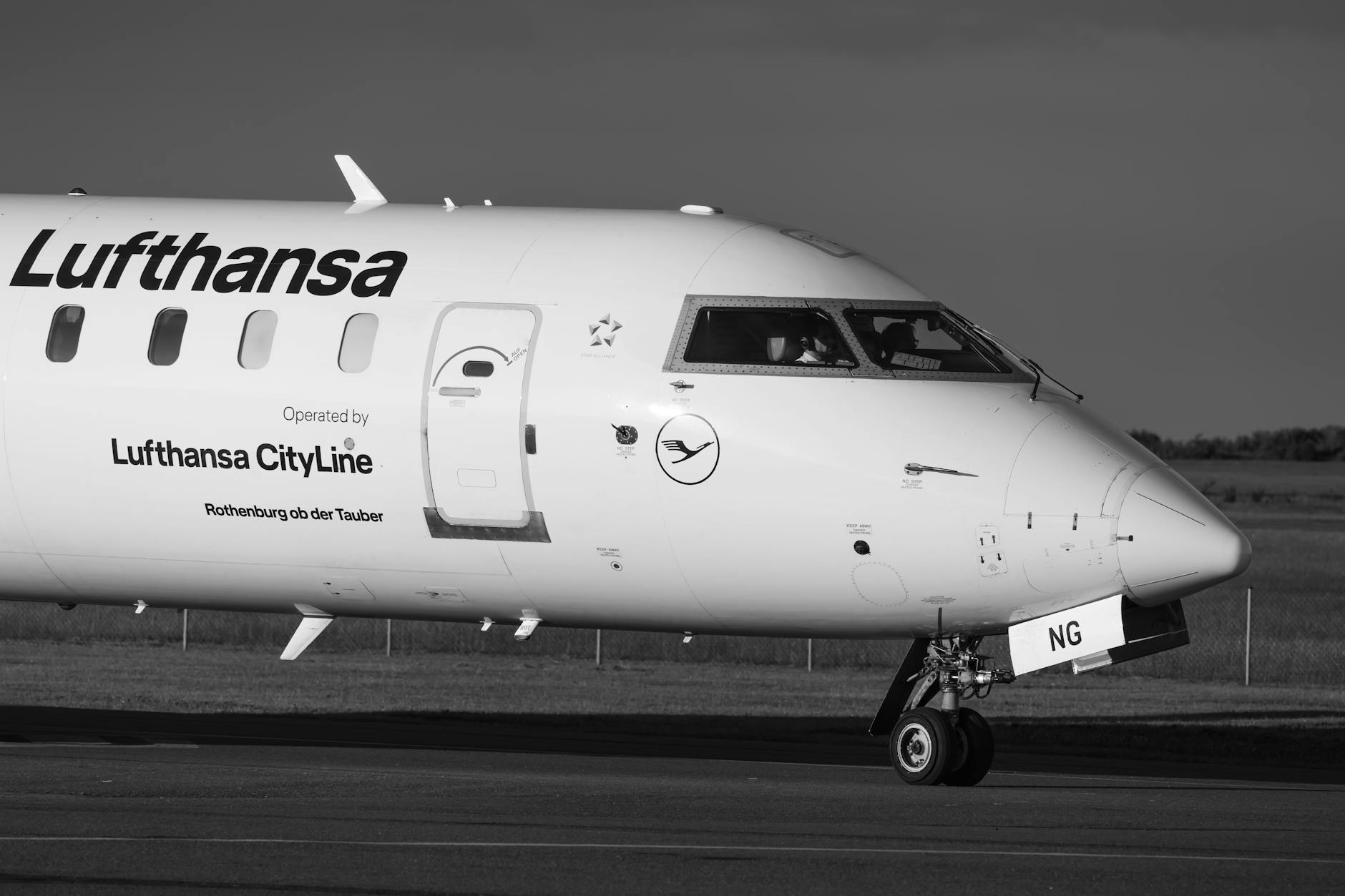
The Lufthansa Group, which represents a significant portion of European aviation capacity, has taken a comprehensive approach to managing its regional operations. This group, encompassing Lufthansa, SWISS, Austrian Airlines, Brussels Airlines, ITA Airways, Edelweiss, and Lufthansa Cargo, has implemented a tiered suspension strategy based on the specific security context of various destinations. Flights to and from prominent hubs such as Dubai and Tel Aviv have been paused until May 31, 2026, for passenger services. Meanwhile, Lufthansa Cargo has maintained a shorter suspension for Tel Aviv, currently set to resume after April 30.
Beyond these primary hubs, the group has extended its suspension of services to several other key destinations until October 24, 2026. This list includes Abu Dhabi, Amman, Beirut, Dammam, Riyadh, Erbil, Muscat, and Tehran. Furthermore, its low-cost subsidiary, Eurowings, is following a similar protocol with suspensions to Tel Aviv and Beirut through late April, and longer-term adjustments for Dubai and Amman lasting into October. These decisions reflect a long-term commitment to passenger safety over immediate commercial throughput, allowing the group to maintain its reputation for reliability and operational excellence.
Operational Monitoring by Air France-KLM
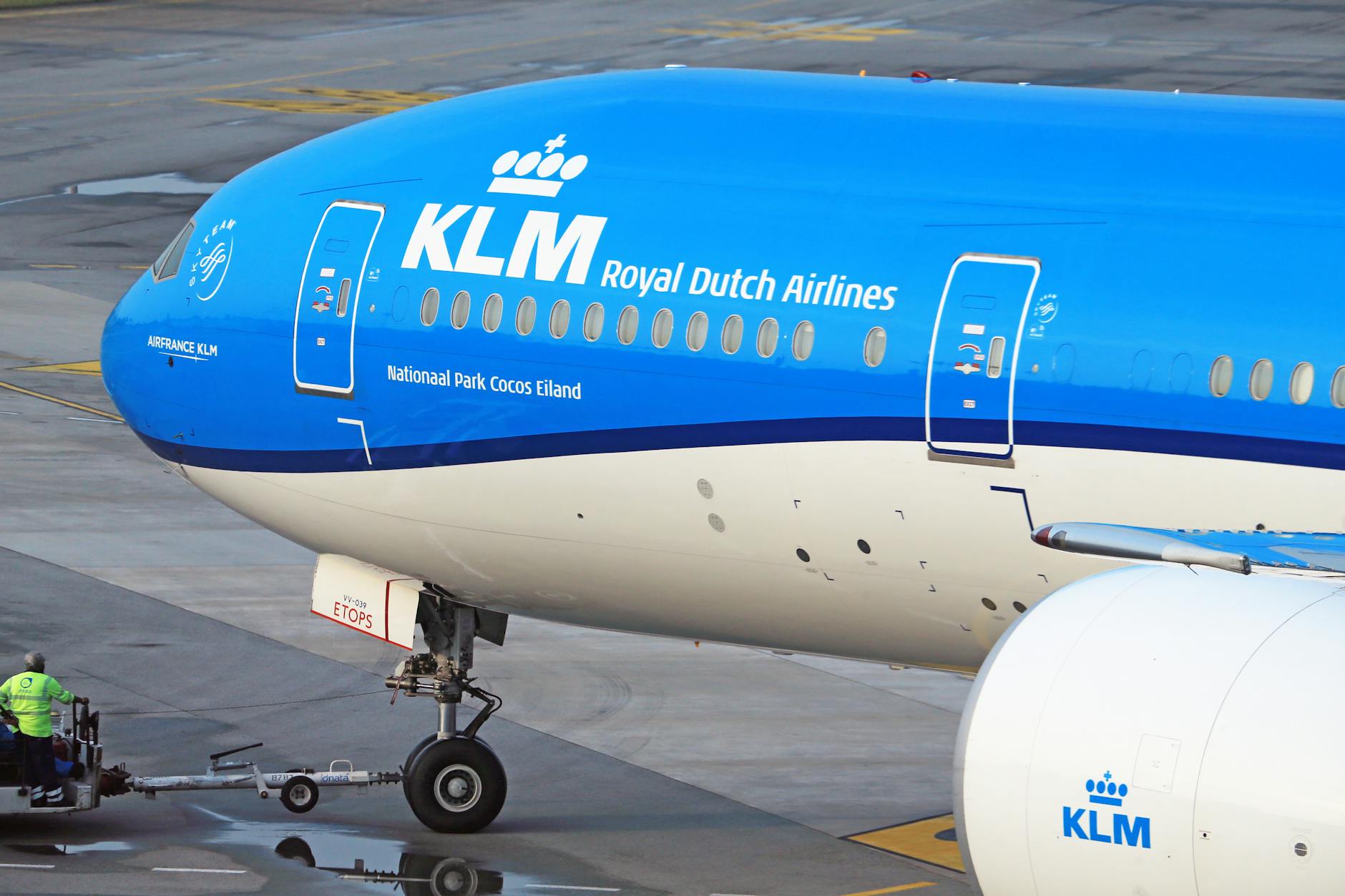
Air France and KLM Royal Dutch Airlines are utilizing sophisticated real-time monitoring systems to adjust their footprints. Air France has emphasized that it is evaluating the evolving situation in the region continuously to protect its customers. As a result, the airline has extended suspensions for Dubai and Riyadh through March 31, with flights to Tel Aviv and Beirut paused until at least April 4. This agile approach ensures that the airline can resume services as soon as conditions are deemed appropriate by international security standards.
KLM has adopted an even more conservative airspace policy, currently avoiding the airspace over Iran, Iraq, and Israel, as well as several countries in the Gulf region. This focus on airspace avoidance often necessitates longer flight times but ensures that all operations remain within low-risk corridors. KLM’s specific destination pauses include Tel Aviv through April 11, with Dammam, Riyadh, and Dubai suspended until May 17. These measures highlight the airline’s dedication to maintaining a secure environment for global citizens during their journeys.

Resilience and Connectivity in the Middle East and Asia
In the Middle East, major carriers such as Qatar Airways, Emirates, and Etihad Airways are working diligently to maintain vital international links. Qatar Airways is currently operating a revised and limited schedule through late March, successfully reconnecting its Doha hub with more than 70 destinations across Africa, the Americas, Asia, and Europe. This revised schedule has been specifically enhanced to offer maximum flexibility to passengers who need to maintain their travel plans. Similarly, Etihad Airways is serving approximately 70 destinations with a limited schedule, while Emirates continues to scale its capacity back toward normal levels as conditions stabilize.
Asian carriers are also demonstrating significant resilience. Cathay Pacific has shifted its capacity to cater to high demand in other regions, adding extra flights between Hong Kong and European cities like Paris and Zurich. While its services to Dubai and Riyadh are paused until May 31, this reallocation of resources ensures that the airline continues to serve global travelers effectively. In India, Air India and Air India Express are maintaining essential connections by operating dozens of scheduled and non-scheduled flights to West Asia, particularly to Jeddah and Muscat. These operations are critical for maintaining economic and personal ties between the regions.

Global Industry Adjustments and Future Outlook
The impact of these schedule adjustments extends across the entire aviation sector. British Airways has confirmed cancellations for several Middle Eastern routes through May 31, while Virgin Atlantic and Air Canada have implemented similar pauses through late April and early May. Even low-cost carriers like Wizz Air have taken a cautious stance, suspending certain routes from mainland Europe until mid-September 2026. This widespread industry response indicates a collective effort to prioritize safety and operational stability.
Despite these temporary challenges, the aviation sector remains robust and adaptable. Airlines are utilizing digital tools, real-time notifications, and enhanced booking flexibility to support their customers. As the industry moves into the busy summer travel season, the focus remains on the gradual restoration of capacity and the continued exploration of new, safe travel corridors. The resilience shown by these global carriers ensures that international travel remains a cornerstone of global connectivity, supported by a framework of rigorous safety and professional care.