
Important Topics To Know
- Ongoing geopolitical tensions in the Middle East are causing significant shifts in global energy markets and industrial production costs.
- The security of critical infrastructure, particularly desalination plants in the Gulf, has become a major focal point for regional stability.
- Nations dependent on energy imports are facing increased inflation, while energy exporters are experiencing a boost in revenue.
- The global tourism and aviation sectors are adapting to potential disruptions caused by fluctuating fuel prices and altered travel routes
The global economic landscape is currently navigating a period of significant recalibration due to heightened geopolitical tensions in the Middle East. Recent developments, including ongoing infrastructure disruptions and a firm stance from regional powers regarding ceasefire conditions, have prompted nations worldwide to adapt their economic strategies. As global markets respond to these shifts, countries are demonstrating resilience while working to mitigate the impacts on energy supplies, industrial production, and international tourism.
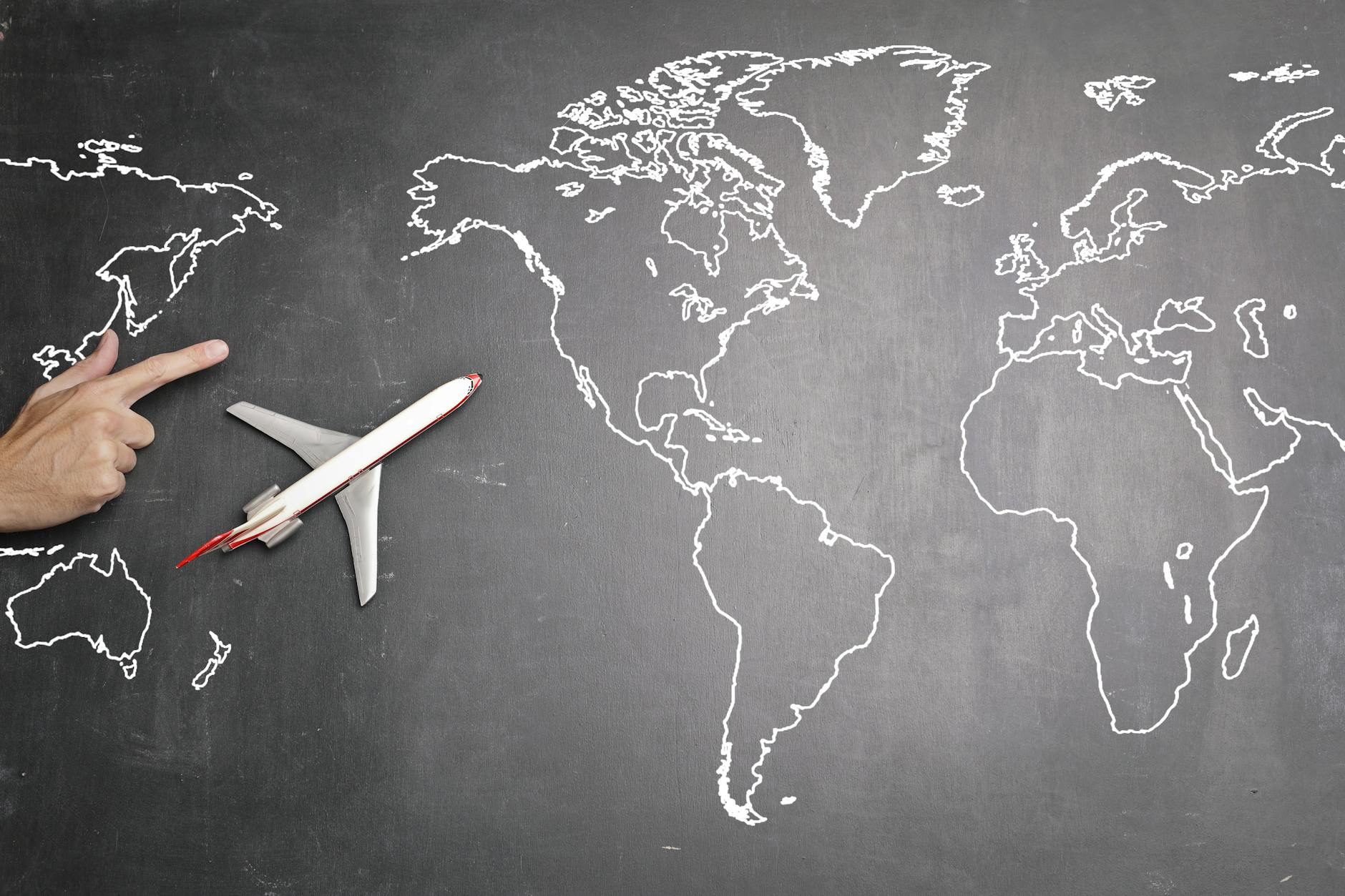
A primary area of focus is the stability of the global energy and water infrastructure. Strategic shifts in the region have highlighted the vulnerabilities of desalination plants and oil terminals across the Gulf. This has led to an increased emphasis on securing these vital resources to prevent localized humanitarian challenges and broader economic shocks. Consequently, nations heavily reliant on imported energy, such as Germany and the United Kingdom, are experiencing rising industrial and household costs. In response, these countries are actively exploring alternative energy sources and adjusting domestic policies to protect consumers and maintain industrial competitiveness.
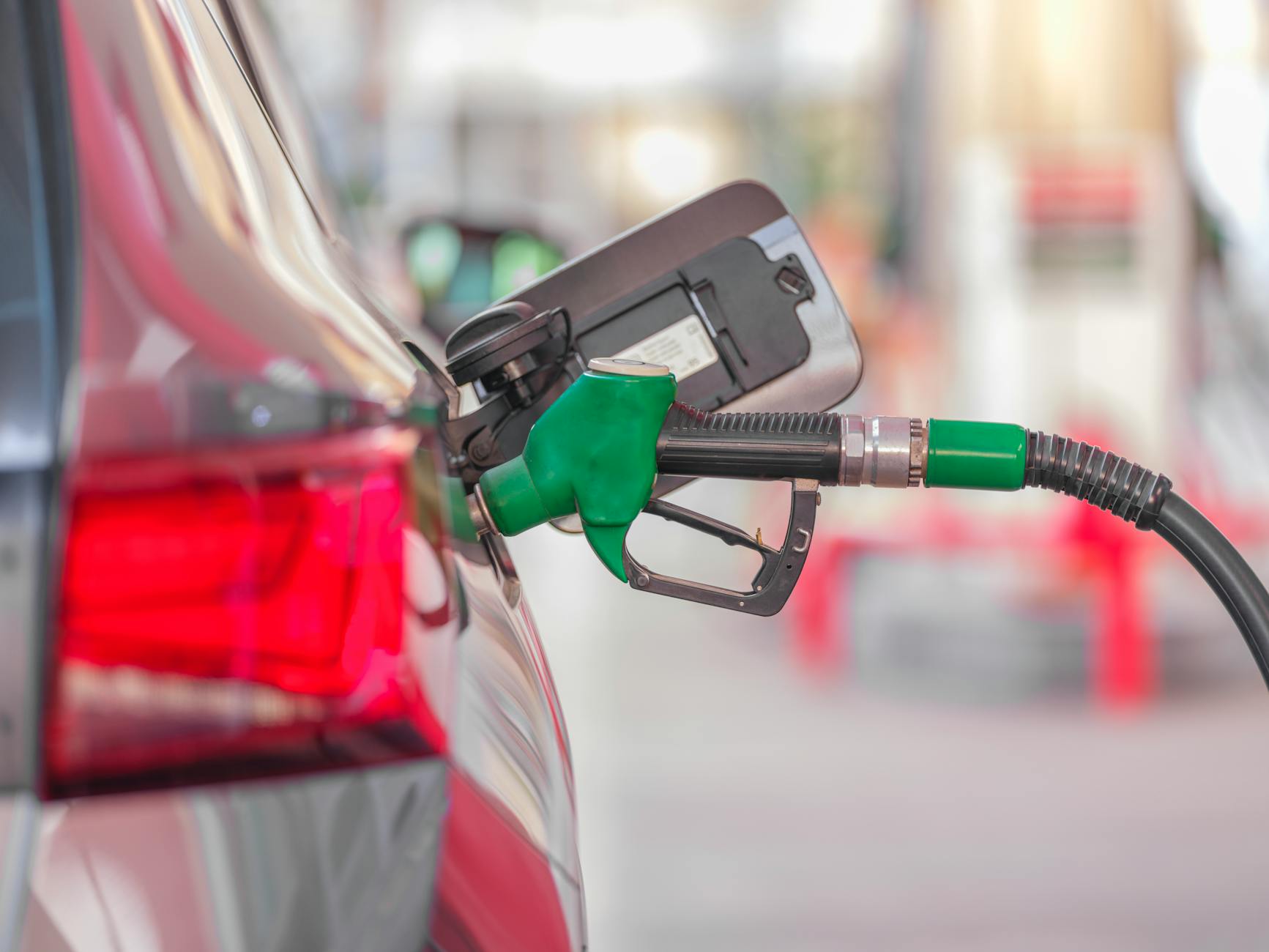
The ripple effects of these developments are also being felt across the travel and hospitality sectors. The potential for increased fuel costs and rerouted shipping lanes poses a challenge to international aviation and global tourism. Countries like Thailand, which rely heavily on tourism revenue, are working to sustain visitor numbers amid fluctuating travel costs. Conversely, energy-producing nations like Canada are finding new economic opportunities as their export revenues increase, highlighting the complex and interconnected nature of the global economy. As the situation evolves, international cooperation and strategic economic planning remain essential for ensuring long-term stability and growth.