
Important Topics To Know
- A significant rise in “Slow Travel” is encouraging visitors to stay longer in secondary cities and nature-rich regions for a deeper sense of connection
- UNESCO and UN Tourism have partnered to turn cultural tourism into a powerful tool for global community resilience and job creation.
- The “Regenerative Travel” movement is gaining momentum, turning vacations into opportunities for ecosystem restoration and cultural dialogue.
- Major travel brands are successfully implementing “give-back” models that allow travelers to fund global education and conservation efforts.
A Landmark Agreement for Global Heritage
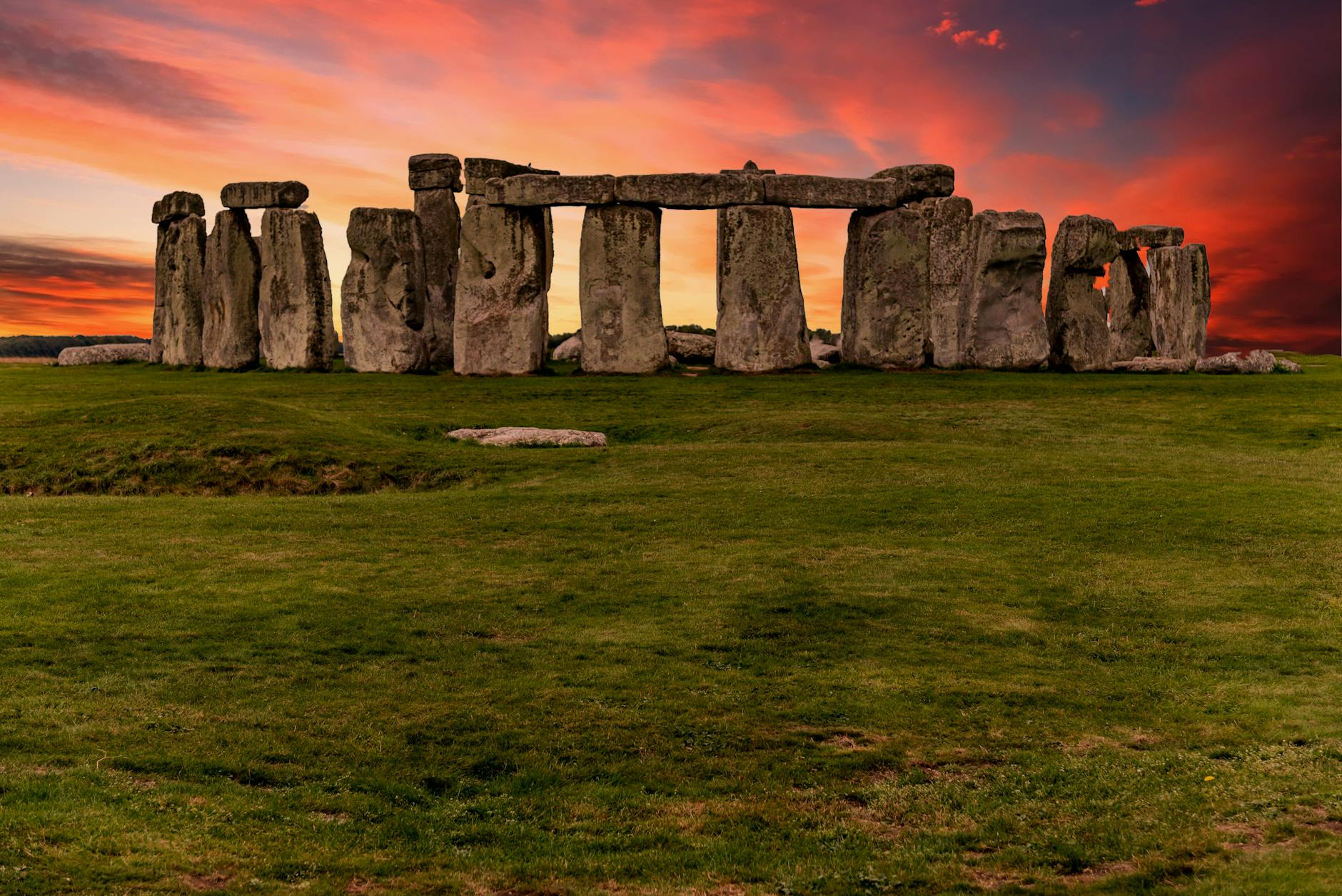
In a major step for cultural preservation, UNESCO and UN Tourism signed a landmark agreement on March 20 to boost cooperation on sustainable and resilient tourism. This partnership specifically focuses on protecting historic transnational routes—like the ancient Silk Roads—ensuring that travel remains a “genuine force for change” in people’s lives. By connecting tourism with heritage conservation, the initiative aims to create quality jobs and uphold the dignity of local communities worldwide.
The Rise of “Regenerative” Travel and Peace
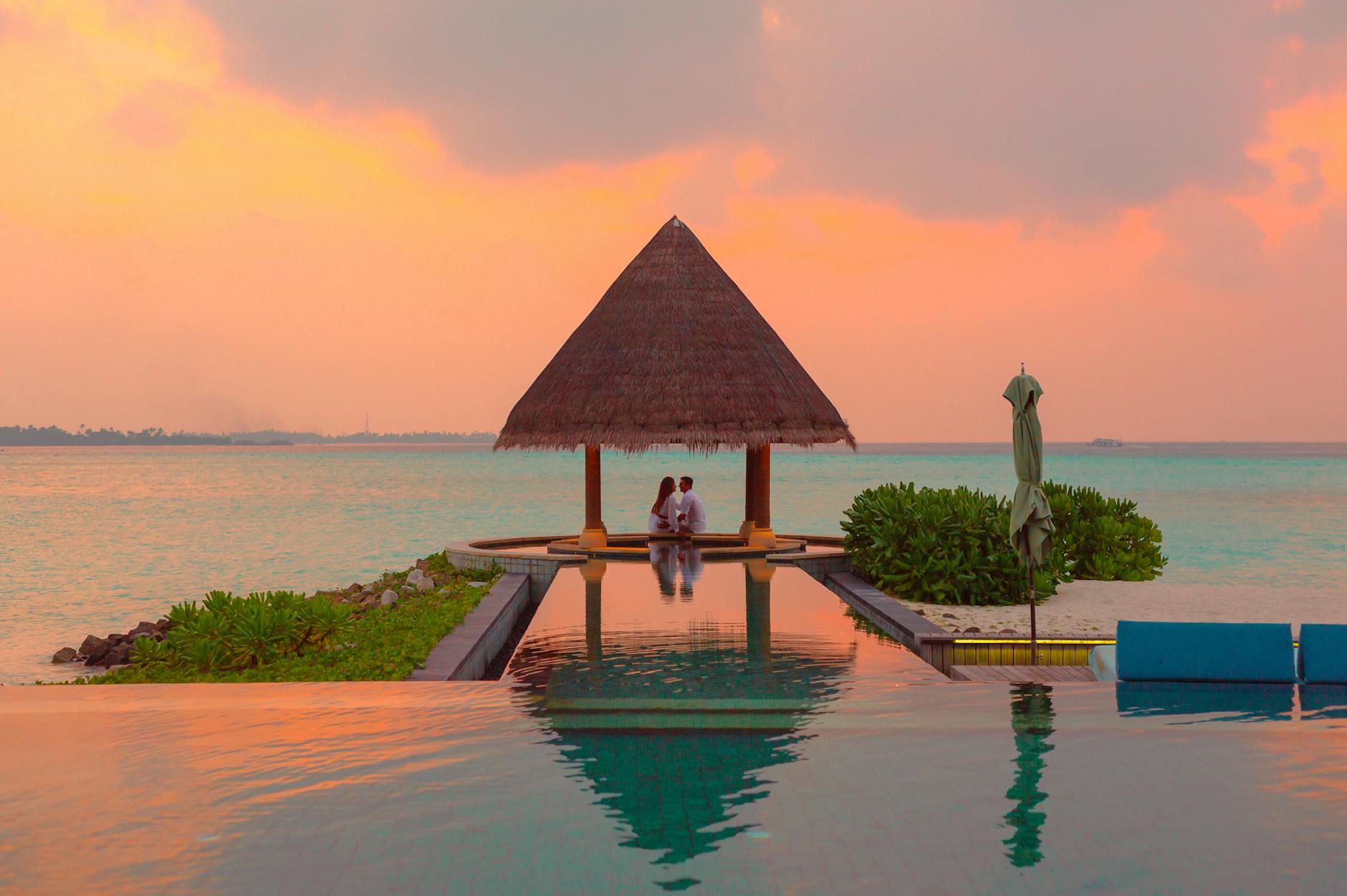
A beautiful trend emerging this spring is the shift toward “regenerative” travel, where the goal is to leave a destination better than you found it. Travelers are increasingly choosing “peaceful footsteps” itineraries, such as staying at historic ashrams in India or participating in rewilding projects in Hawaii. This movement treats holidays as “bridges of understanding,” focusing on calm, culturally rich spots that foster dialogue and celebrate differences across the “Global North-South” tourism divide.
Kensington Cares: Journey for a Better World
Luxury travel provider Kensington released its 2025 Impact Report today, showcasing how its “One + One” model is making a tangible difference. By donating one percent of trip sales and inviting clients to match, they raised over $141,500 this past year for global conservation and poverty alleviation. This highlights a growing desire among modern travelers to ensure their journeys reflect their personal values and leave a positive footprint on the world.

The “Slow Travel” and Nature-Based Boom
More travelers are “touching grass” in 2026, prioritizing visits to national parks, rural landscapes, and coastlines as a way to disconnect and restore. According to recent data, 69% of travelers are now interested in “foraging” stays and nature-based sensory experiences. This “digital detox” mindset is driving interest in under-the-radar locations, like the Laem Sak community in Thailand, where visitors engage deeply with local traditions rather than rushing through iconic hotspots.