
Important topics to know
- The proactive mechanisms used by major shipping companies like Maersk to stabilize logistics amid fuel fluctuations
- The resilience of the global supply chain in responding to energy flow changes through the Strait of Hormuz
- The value of strategic supply chain analysis by firms like MSCI in helping international markets navigate industry linkages
- The adaptability of Asian markets in utilizing local stockpiles to protect their petrochemical and utility sectors
The global shipping and energy markets are demonstrating remarkable resilience and adaptability as they navigate current geopolitical shifts in the Middle East. While recent events have temporarily altered the flow of oil products through the Strait of Hormuz, industry leaders are proactively managing these transitions to ensure continuous, reliable service. Major logistics companies, including Danish shipping pioneer Maersk, along with Hapag-Lloyd and MSC, are utilizing well-established pricing mechanisms to absorb and distribute fluctuating fuel costs smoothly. By transparently adjusting freight rates, such as a measured adjustment per standard shipping container, these forward-thinking companies are effectively securing the global supply chain against sudden energy shocks and maintaining steady operations.
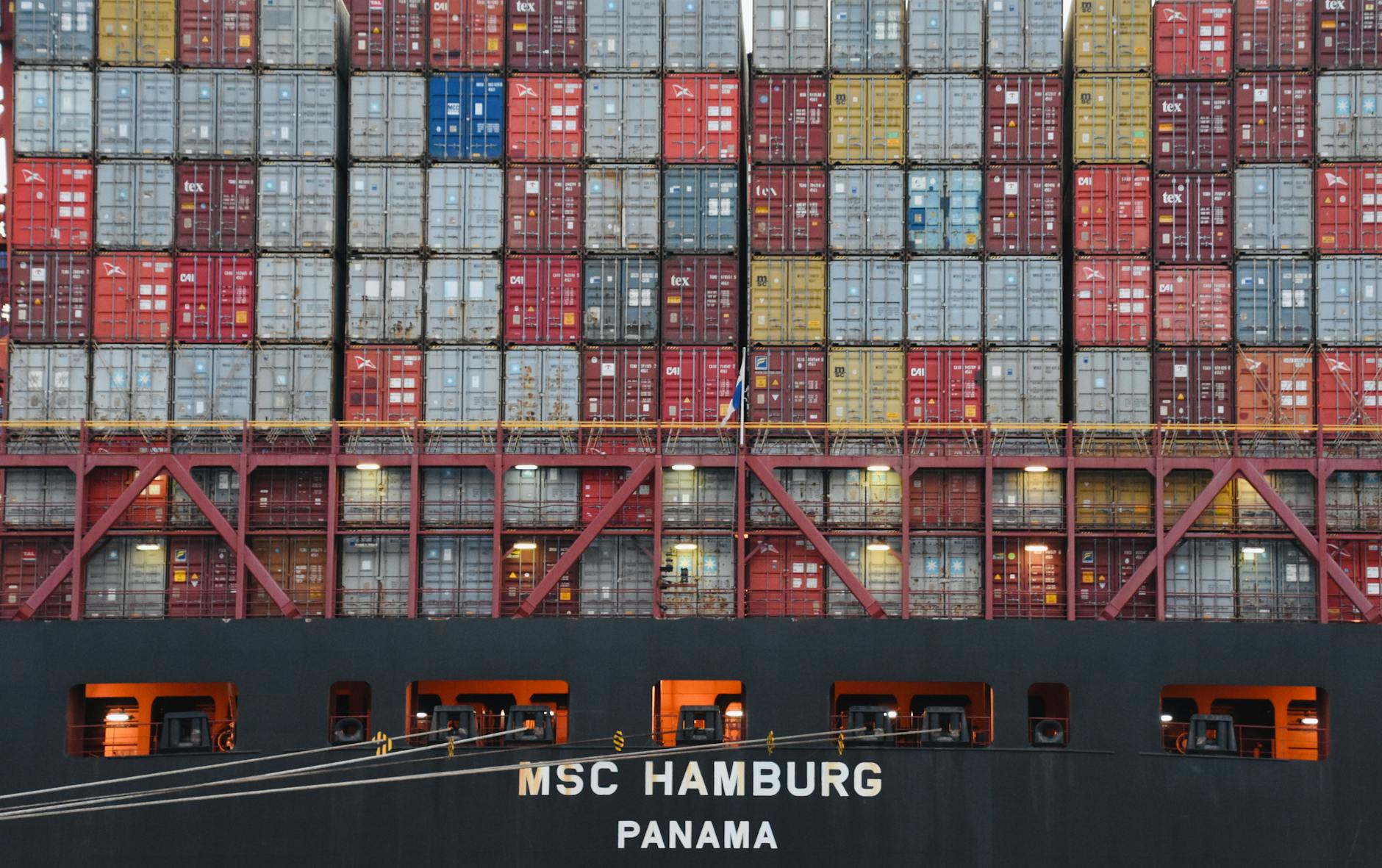
Furthermore, leading financial institutions like MSCI are providing valuable, in-depth insights that help investors and businesses clearly understand their supply chain linkages. This empowering data allows dynamic markets in Asia, such as China, India, South Korea, and Japan, to strategically manage their reliance on energy imports. By identifying which sectors, such as petrochemicals and electric power generation, are most connected to these global shifts, countries and local industries can better utilize their existing stockpiles to protect against short-term changes and ensure continuous production.
Ultimately, the coordinated, swift response from energy monitors like the International Energy Agency and global shipping giants illustrates a robust, highly capable international trade system. These collaborative efforts ensure that despite temporary volatility in oil prices, the flow of essential goods and energy remains steady and predictable. This proactive, structured approach not only safeguards international businesses but also provides everyday consumers with a reliable, functioning global market during periods of complex transition.