
Important to Know
- Cruise lines use dynamic pricing to adjust fares daily based on demand, making early booking more advantageous than waiting for last-minute deals.
- Onboard revenue from specialty dining, Wi-Fi, and excursions has become a primary driver of profit for major cruise companies.
- The industry has adopted “fare families” similar to airlines, offering tiered bundles that package various amenities for a set daily fee.
- Travelers must now calculate the total cost of their vacation by factoring in planned upgrades rather than relying solely on the advertised base fare.
The cruise industry has undergone a significant transformation, moving away from its traditional all-inclusive model toward a sophisticated pricing structure mirrored after the airline industry. By 2026, major cruise lines have adopted “dynamic pricing,” where fares fluctuate daily based on real-time demand, seasonality, and inventory levels. This shift has made the old strategy of waiting for last-minute discounts less reliable, as companies now prioritize filling ships at higher rates through aggressive revenue management.
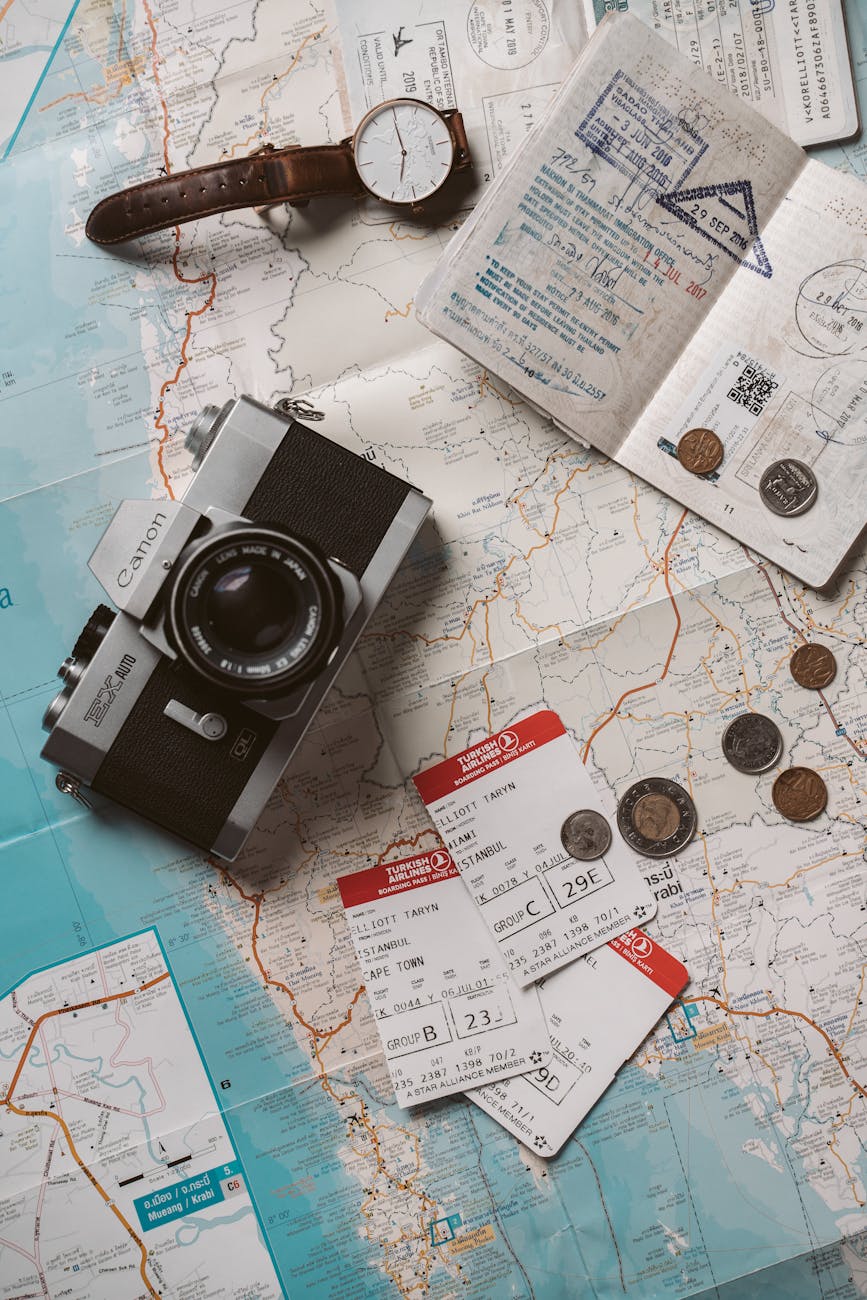
A central component of this new strategy is the “unbundling” and “rebundling” of services. Similar to how airlines charge for seat selection or checked bags, cruise lines have increasingly stripped amenities from the base fare. To compensate, they offer tiered “fare families” or bundles, such as those seen with Princess Cruises or Norwegian Cruise Line. these packages combine extras like Wi-Fi, beverages, and specialty dining for a fixed daily rate. This psychological tactic encourages guests to commit to a higher initial price point while leaving room for additional a la carte spending once on board.
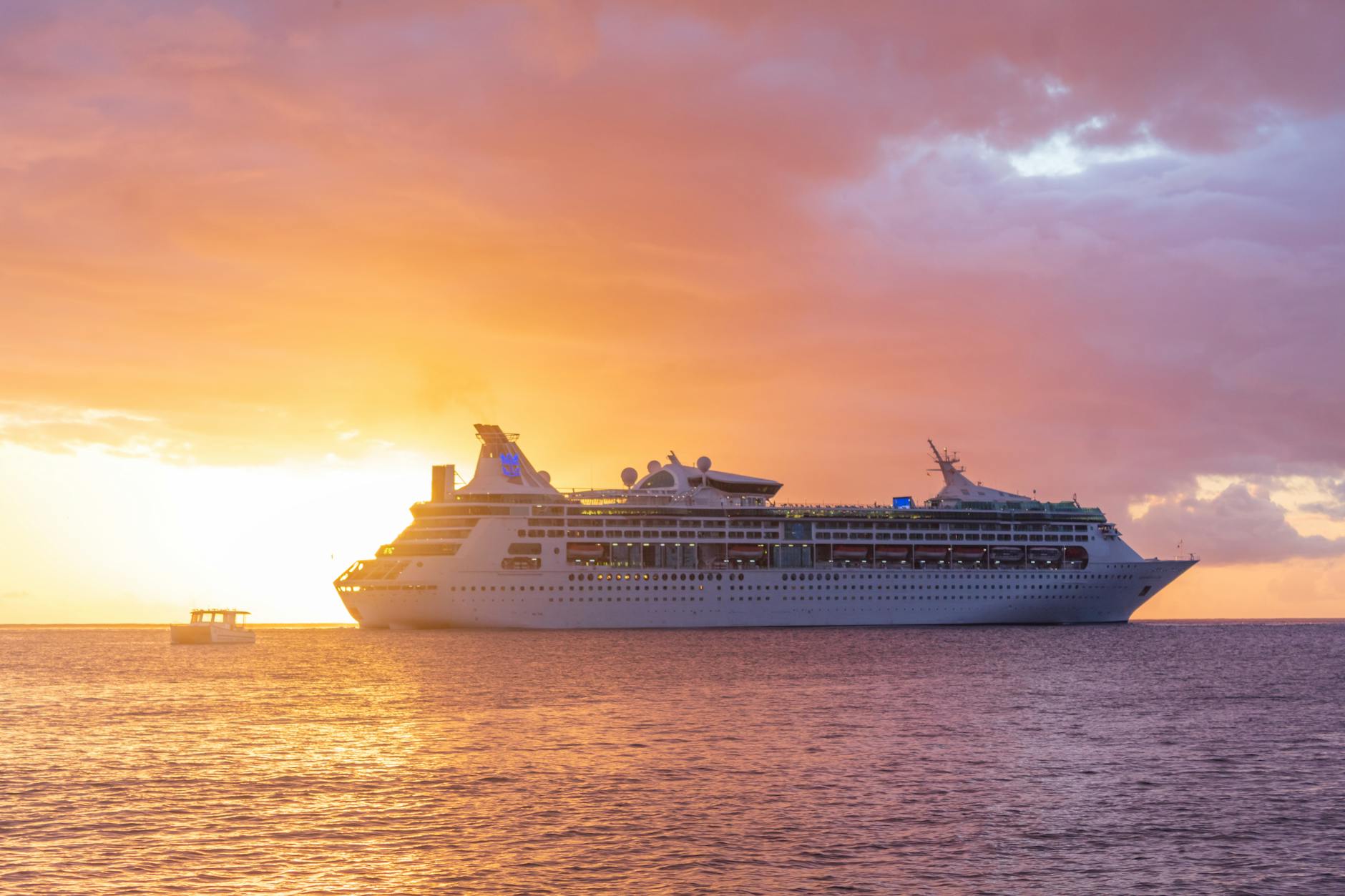
Onboard spending has become a critical profit engine for the industry. Data suggests that daily per-passenger spending has risen significantly over the last several years, with guests frequently paying for exclusive excursions, thermal spa passes, and premium dining “within the ecosystem.” For travelers, this means the headline fare is no longer an accurate representation of the total vacation cost. Success in finding value now requires calculating the “total vacation price” by comparing the base ticket against personal spending habits and the cost of available bundles. While a base fare may still appear low, the modern cruise experience increasingly functions as a gateway to a marketplace of upgrades and add-ons.