
- The Costa Favolosa encountered an extratropical cyclone with wind gusts exceeding 100 km/h off the Brazilian coast.
- Significant listing and rolling caused loose items to fall in dining areas and made walking difficult for passengers.
- Video footage shared on social media by passengers brought international attention to the intensity of the storm
On February 18, 2026, the cruise ship Costa Favolosa encountered severe weather conditions while navigating the South Atlantic off the coast of southern Brazil. The vessel was caught in an extratropical cyclone that impacted both the Brazilian coastline and the Río de la Plata region. Reports from regional meteorological services indicated that wind gusts during the storm exceeded 100 km/h, creating significant swells and challenging maritime conditions for the large passenger ship.
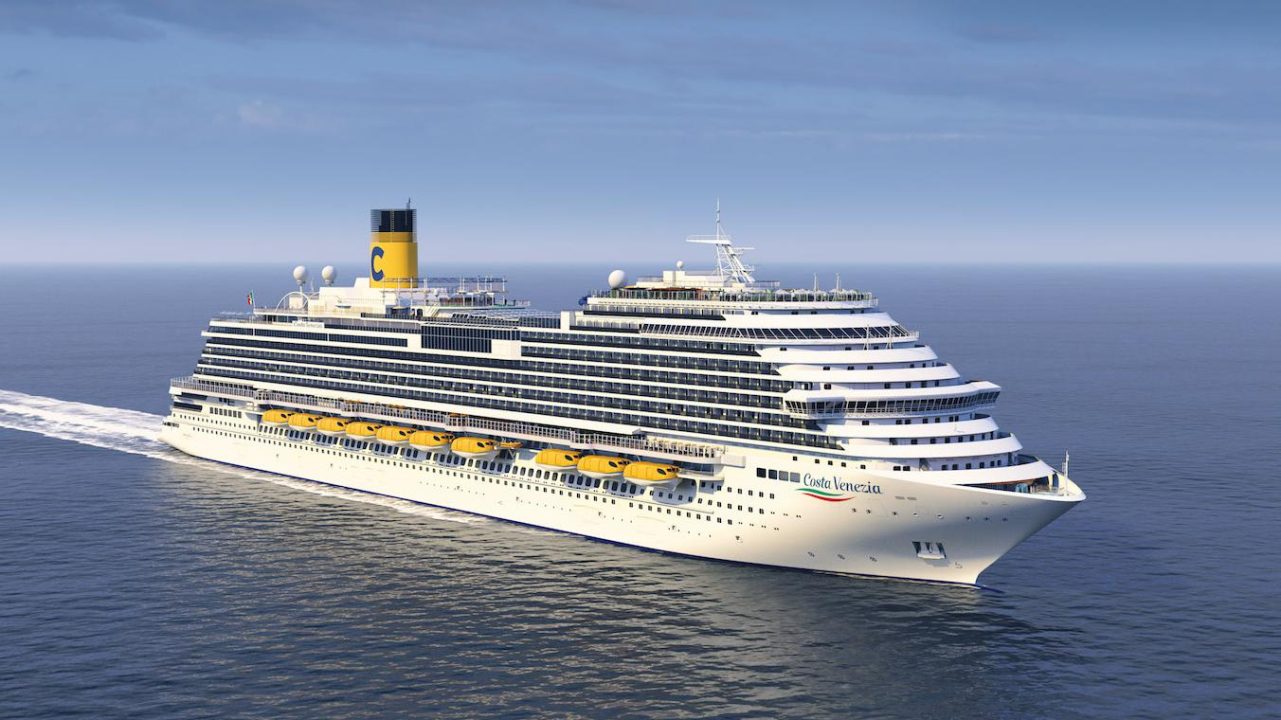
The transition from typical evening weather to the storm was relatively abrupt. While passengers had noted distant lightning and increasing winds earlier in the night, the most intense motion occurred around 11 p.m. As the ship moved through the heavy seas, it began to list and roll more noticeably. Witnesses described the difficulty of maintaining balance in public hallways and reported that loose items, such as plates and glassware in the buffet and dining areas, slid or fell from tables due to the vessel’s tilting.
The event gained widespread public attention recently as passengers began sharing video footage of the experience on social media platforms. These recordings capture the interior of the ship during the peak of the listing, illustrating the physical effects of the storm on the onboard environment. Despite the visual intensity of the footage and the discomfort reported by those on board, the cruise line has emphasized that the situation remained within the operational safety limits of the vessel.
In a follow-up statement, Costa Cruises confirmed that all standard safety protocols were strictly implemented during the weather event. The company clarified that at no point was the structural stability or integrity of the Costa Favolosa compromised by the wind or waves. Once the cyclone system moved away from the ship’s path and the sea conditions stabilized, the vessel resumed its planned itinerary without further incident. Such encounters with rough water are a known factor in open-sea navigation, and modern cruise ships are engineered to withstand the pressures exerted by extratropical storm systems.