
- Seabourn’s decision to maintain its current optimal fleet size following the opportunistic sale of two ships to Mitsui Ocean Cruises.
- The company’s strong global performance and the significant role of the Australian market in driving demand for both local and international sailings.
- The strategic focus on integrating the concept of luxury exploration across the entire brand rather than solely within polar expedition contexts.
- Seabourn’s commitment to elevating the guest experience and adapting to increased competition within the ultra-luxury cruise sector.
Seabourn President Mark Tamis recently clarified the luxury cruise line’s strategic direction, emphasizing that the company currently possesses no immediate plans to expand its fleet. Speaking to LATTE in Sydney, Tamis characterized the brand’s current size as optimal for ensuring both a premium guest experience and sustained profitability. This statement follows Seabourn’s recent decision to sell two of its vessels to Mitsui Ocean Cruises, a newcomer to the Japanese cruise market. Tamis explained that the sale was prompted by an unsolicited and highly attractive offer rather than a pre-planned divestment strategy. As a publicly traded entity, the company presented the strong offer to its board of directors, who ultimately approved the transaction.
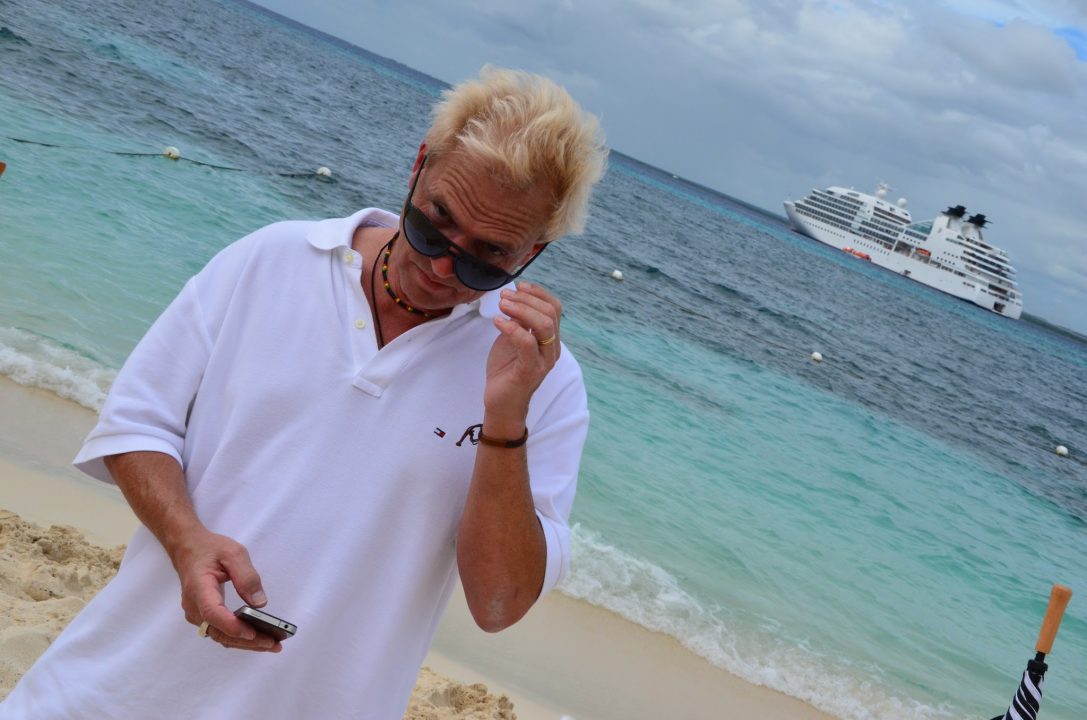
Tamis firmly dismissed any speculation that this sale marks the beginning of a broader fleet reduction, insisting that the company is currently in its strongest financial and operational position to date. He highlighted Seabourn’s robust performance over the past year, driven by strong global demand and significant interest in its extensive world cruise itineraries. A notable highlight is the highly anticipated Pole-to-Pole Grand Expedition sailing scheduled for 2027. Furthermore, Tamis noted the importance of the Australian market, which ranks as Seabourn’s third-largest globally, following the United States and the United Kingdom. Australia is also the leading market for the brand’s popular Kimberley cruising product, with Australian travelers consistently demonstrating a willingness to undertake long-haul flights for international sailings.
Regarding future expansion, Tamis maintained a cautious but open stance. While there are no immediate plans to add new ships, the company remains receptive to future growth opportunities. Once the Seabourn Sojourn transitions to Mitsui, the fleet will consist of three ocean liners and two expedition vessels. Tamis believes this configuration provides the perfect balance for the brand’s current operations. Instead of investing in new hardware, Seabourn is dedicating its resources to integrating the ethos of expedition cruising across its entire portfolio. The brand’s philosophy, where luxury meets exploration, is being applied beyond traditional polar expeditions to include deeply local and luxurious connections in various destinations.
This approach is bolstered by flexible onboard programming, allowing itineraries to adapt to local conditions and spontaneous wildlife sightings. Tamis underscored that innovation at Seabourn focuses on elevating the existing high-quality experience rather than pursuing change for its own sake. He also welcomed the increasing competition in the ultra-luxury cruise sector, viewing it as a positive pressure that encourages Seabourn to continually refine its culinary and hospitality offerings.

SPOTLIGHT
Seabourn 2027 “Pole-to-Pole” Grand Expedition Itinerary
Seabourn’s highly anticipated 2027 Grand Expedition is a massive 94-day journey from the High Arctic down to Antarctica. The voyage is designed to offer a mix of rugged exploration and ultra-luxury, covering more than 20,500 nautical miles across 14 countries and territories.
Here are the key details and the routing for this first-of-its-kind voyage:
Key Voyage Details
- Ship: Seabourn Venture (a purpose-built luxury expedition vessel)
- Dates: August 17, 2027 to November 19, 2027
- Shorter Option: Guests can opt for an 82-day version of the sailing that joins slightly later on August 29, 2027.
The Route and Destination Highlights
- The Departure (Mid-August): The journey begins with an overnight hotel stay in Reykjavik, Iceland. From there, guests take a private charter flight to Kangerlussuaq, Greenland, to officially board the ship.
- The High Arctic: The first major leg involves deep exploration of Greenland and the Canadian Arctic. Highlights include a six-day navigation of the legendary Northwest Passage and a rare three-day experience exploring the remote Ellesmere Island in the Arctic Archipelago.
- Eastern Canada to the Caribbean: As the ship sails south, the icy landscapes transition to the rugged coastlines of Newfoundland and Nova Scotia. The voyage then heads into the warm waters of the Caribbean, with planned stops in tropical destinations like Barbados, St. Lucia, Trinidad, and Montserrat.
- South America: After crossing the equator, the expedition traces the coastline of South America. Guests will visit Devil’s Island in French Guiana, explore Brazil’s vibrant Green Coast, and make a stop in Montevideo, Uruguay.
- The Sub-Antarctic Islands: Returning to polar environments, the itinerary dedicates three days to the Falkland Islands and three days to South Georgia. South Georgia is often referred to as the “Galapagos of the South Atlantic” and is home to sanctuaries featuring hundreds of thousands of king penguins.
- The White Continent: The climax of the expedition features five full days exploring Antarctica. Daily activities are dictated by weather and ice, but generally include Zodiac cruises among icebergs, shore landings to view penguin colonies, and navigating famous waterways like the Lemaire Channel.
- The Conclusion (Mid-November): The 94-day journey concludes by sailing through the Beagle Channel into Ushuaia, Argentina. Guests then disembark and take a post-cruise charter flight to Buenos Aires to head home.