
- Implementation of thermal imaging technology for environmental monitoring
- Collaboration between the cruise line and the scientific community
- Role of passengers in gathering data for the Thermal Imaging of Polar Ice project
- Long-term goals for educational and governmental use of climate data
Aurora Expeditions has launched a new citizen science initiative designed to engage passengers in the monitoring of climate change during their voyages to Antarctica. By partnering with Joe Muise, a physics teacher and the founder of the Thermal Imaging of Polar Ice project, the cruise line aims to leverage tourism for scientific data collection in one of the world’s most remote regions.
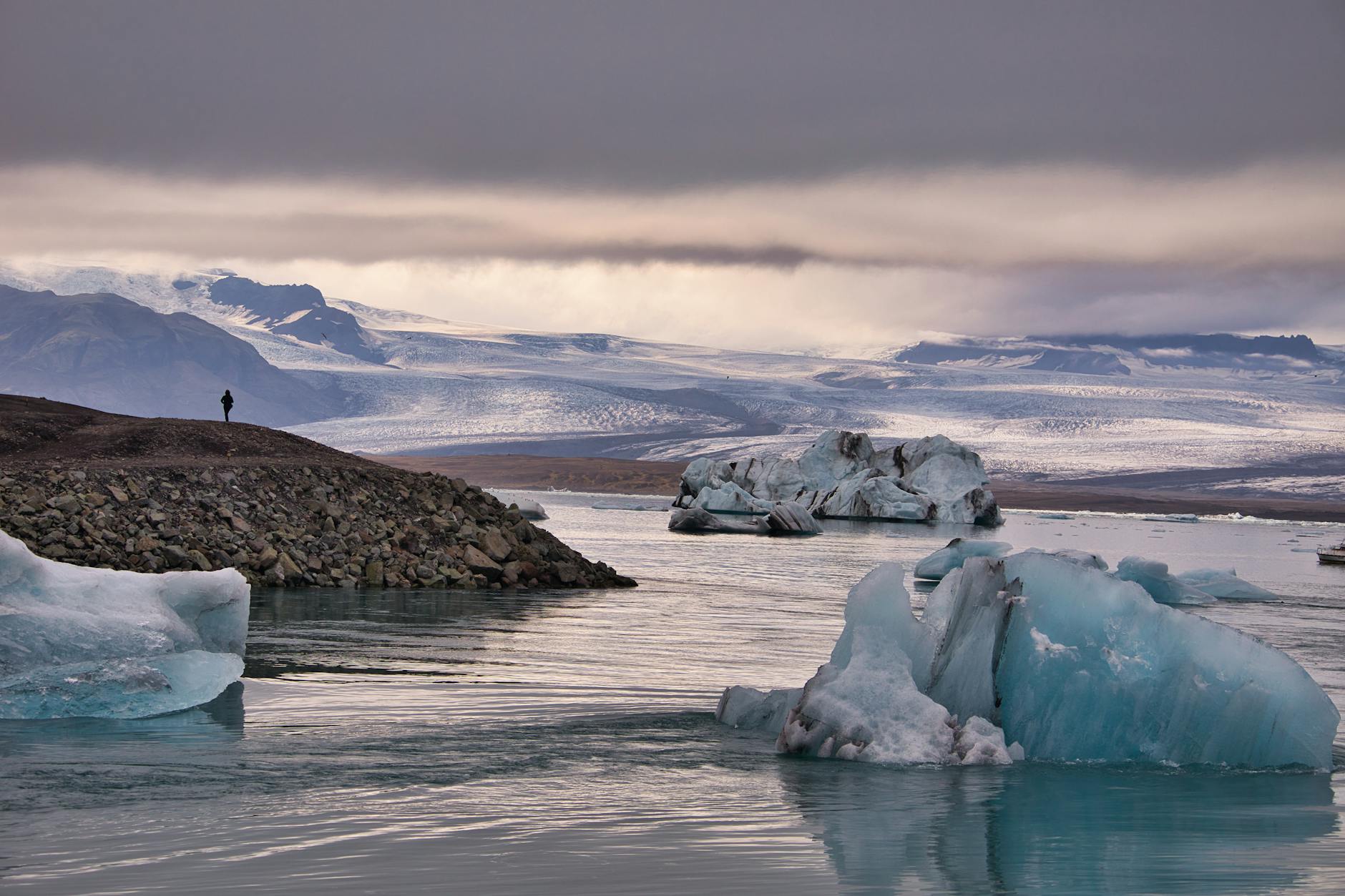
Guests traveling aboard Aurora’s three ships will be trained by expedition guides to use specialized thermal imaging cameras. Unlike standard photography, these devices detect surface temperature variations, allowing for a unique analysis of ice formations and glaciers based on heat signatures rather than visible light. The images captured by passengers are uploaded to a dedicated website, where they contribute to a growing database intended to track changes in polar ice over time.
The concept originated during Muise’s 2023 expedition to the region, where he recognized that the steady flow of cruise vessels could facilitate research that is typically logistically difficult and expensive. He advocates that this approach enables cruise operators to contribute meaningfully to science while simultaneously raising environmental awareness among travelers.
While the data is currently being used for educational purposes in classrooms, the long-term goal is to amass a dataset significant enough to be shared with government agencies and environmental organizations. Michael Heath, Chief Executive of Aurora Expeditions, noted that this collaboration reinforces the company’s commitment to science-led exploration. He emphasized that the program offers expeditioners a distinct opportunity to engage with the environment responsibly, turning a vacation experience into a contribution toward understanding global climate shifts.